
GAP+
Kulangsu(Gulangyu), is an island that echoes the historical footprints of European colonization during the World War era and now resonates with the bustling rhythms of tourism, the internet, and commerce. In recent years, it has been celebrated as a World Cultural Heritage site. Once hailed as the “Island of Music” or the “Island of Pianos” — a reference to its imported piano culture of the last century — Kulangsu now witnesses the fading of this musical heritage.
What then, truly, is Kulangsu? It stands as an immersive collage of “elsewhere’s,” a tapestry of various identities that remain unrecognized and undefined. How do we encapsulate Kulangsu? Through pianos displayed as silent relics? Through transient images scattered across social media? Or through the ever-evolving storefronts?
What narrative captures the essence of contemporary Kulangsu — the experience of the here and now? Throughout the cycle of history, how do we generate new identity for Kulangsu?
“GAP+” emerges as a comprehensive synthesis of my explorations in algorithms, sound/media art, and installation. It embodies an experimental spirit that seeks to dissolve the boundaries of traditional architectural design. I envisage architecture as a generative system, a crucible for new forms and possibilities, fueled by diverse theoretical frameworks.
Drawing inspiration from the “live set” music concept — where the mechanisms of sound mixing shape the aural space — GAP+ offers a critical lens on the conservation of “historical” urban spaces. It constructs an auditory landscape, a soundscape that engages with the commercial-dominated urban soundscape. GAP+ redefines architectural presentation, introducing novel concepts of “real-time” and “remote” experiences within the built environment, in form of spatial instrument.
2019
CAFA Undergrad Thesis
Projection, Stereo Sound
2019 1st Place Winner of CAFA Grad Thesis
2020 Gensler Diversity Scholarship
2020 YTAA(Young Talent Architect Award) Asia – Fundació Mies van der Rohe
2024 Remaster
Architectures of Sound
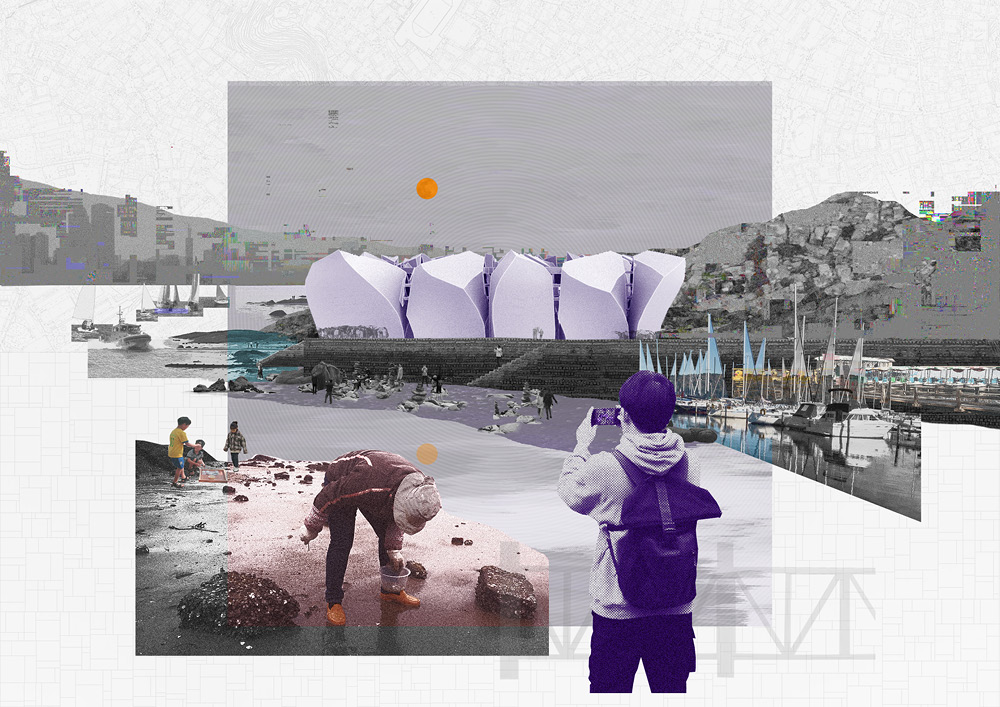
Inspired by the walk-through experience of the valley/gap soundscape on Kulangsu, which potentially serves as a filtering and connective structure for sound, new spatial structures are generated as
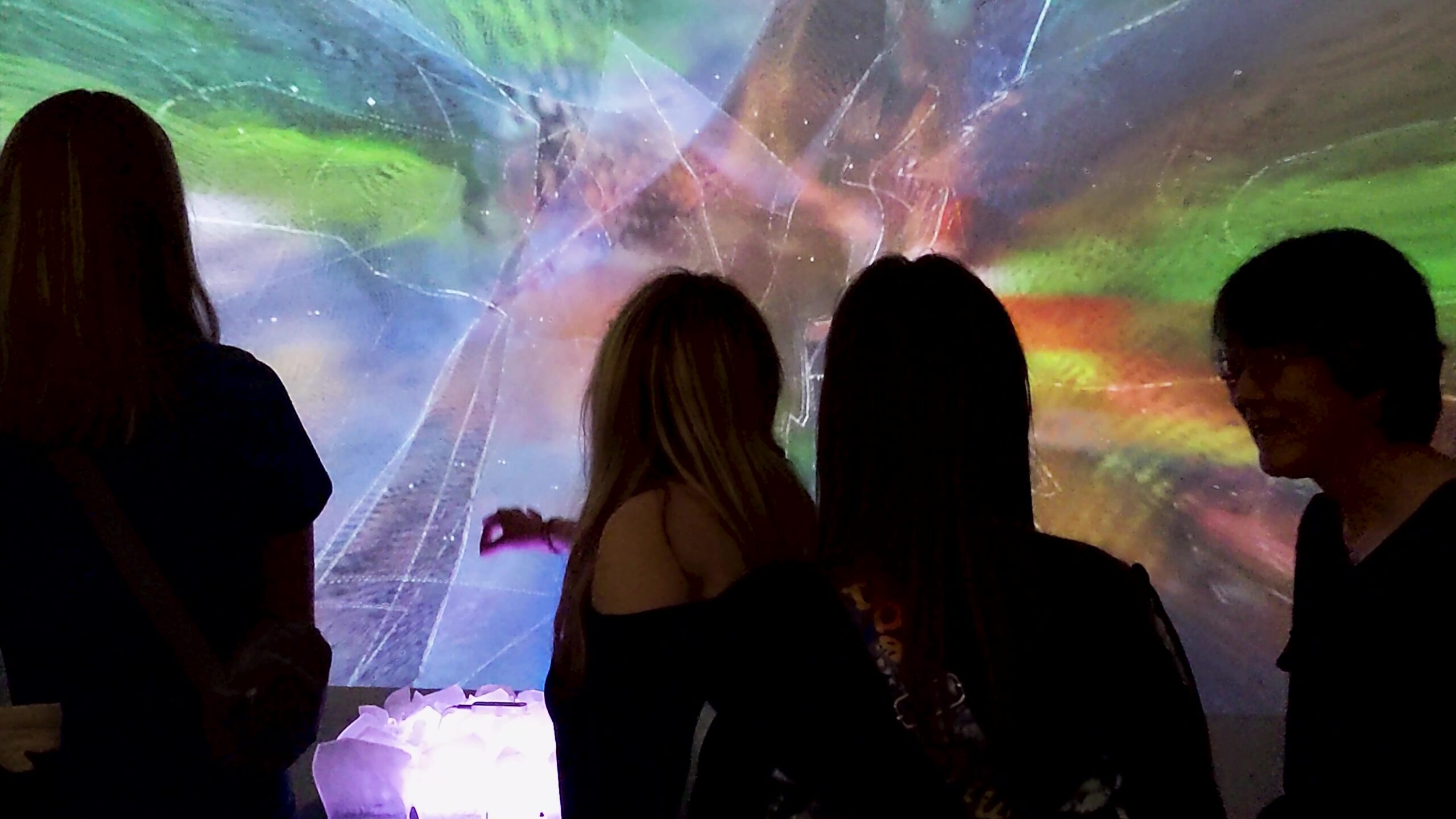
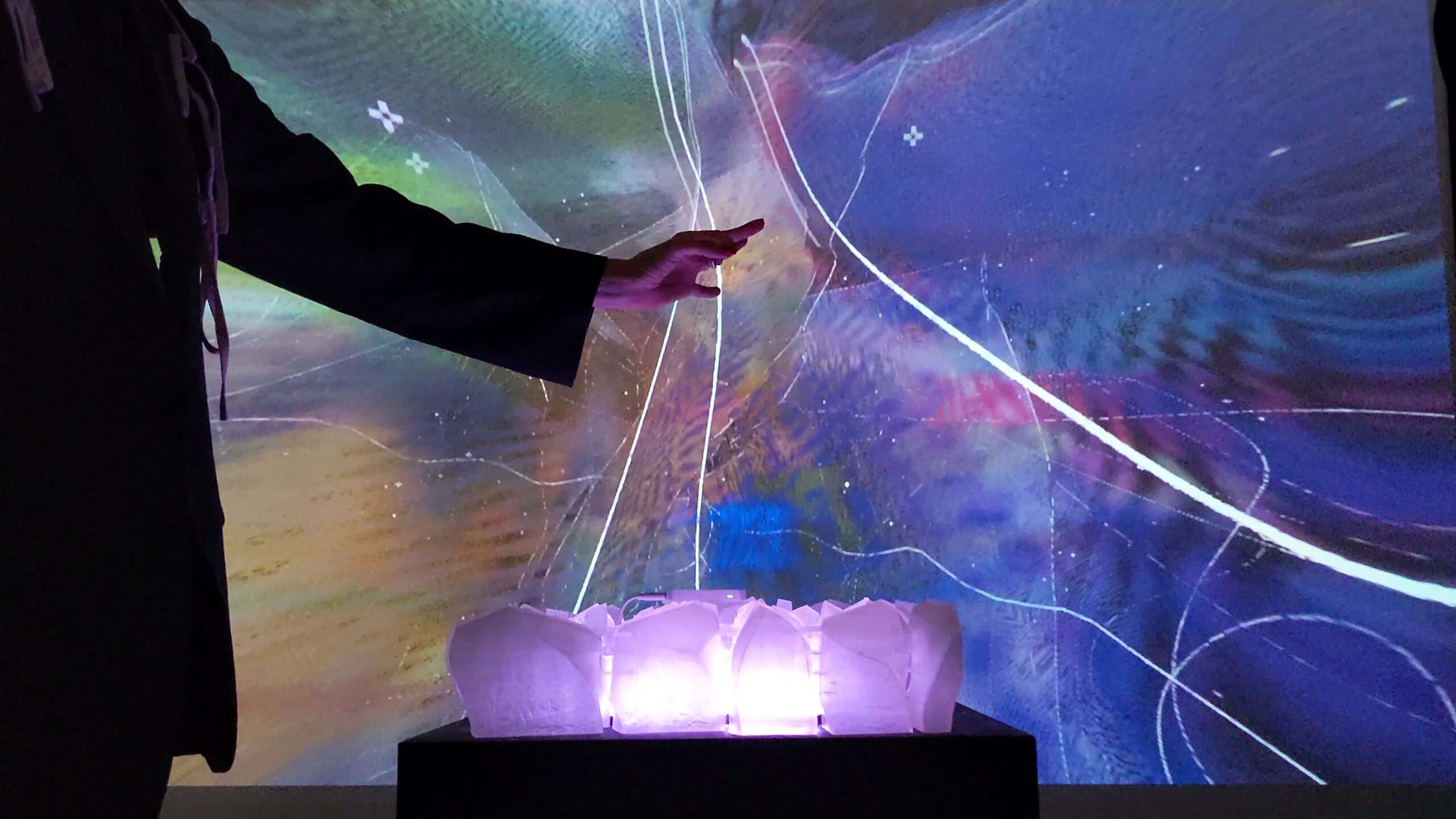
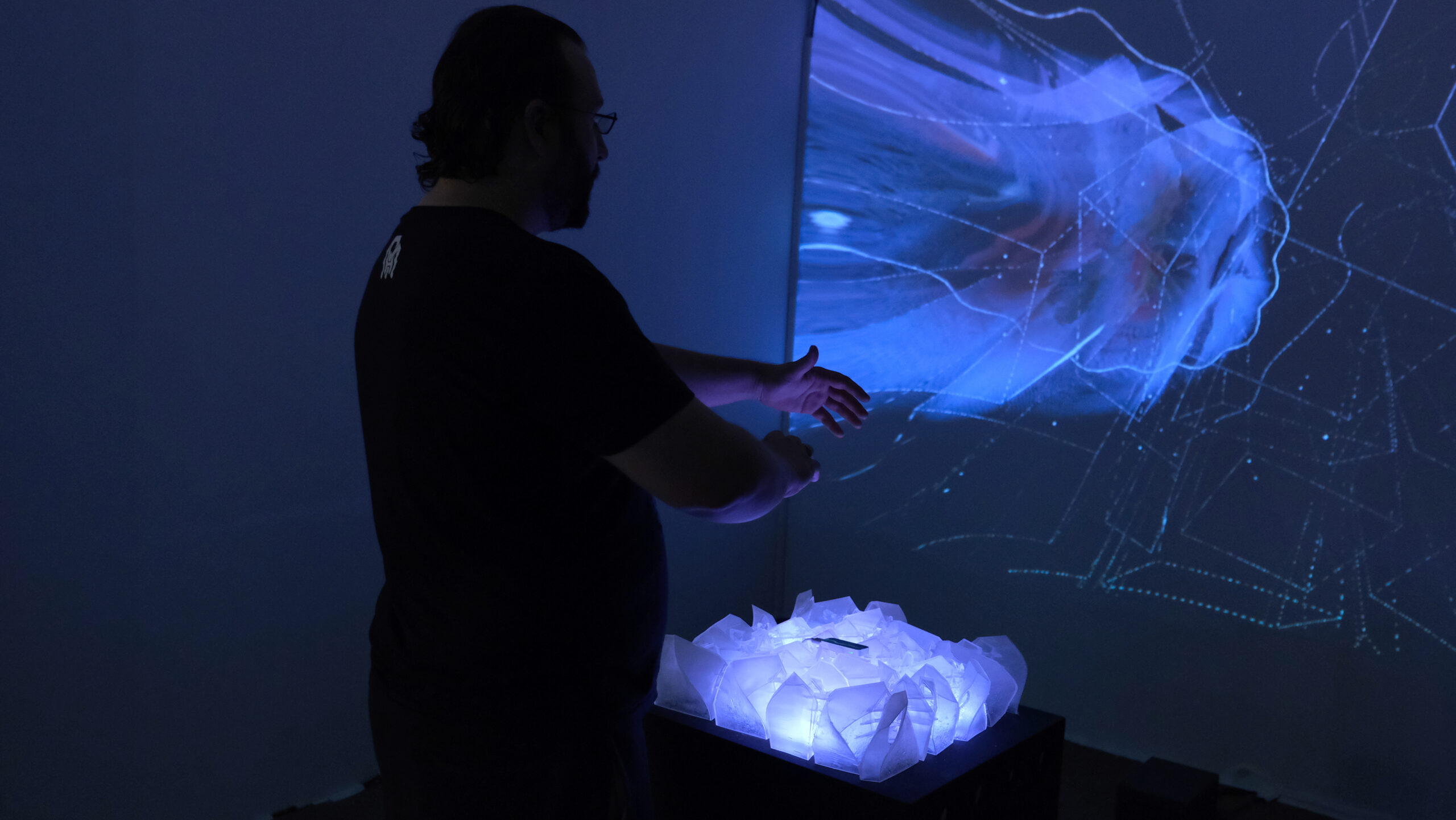
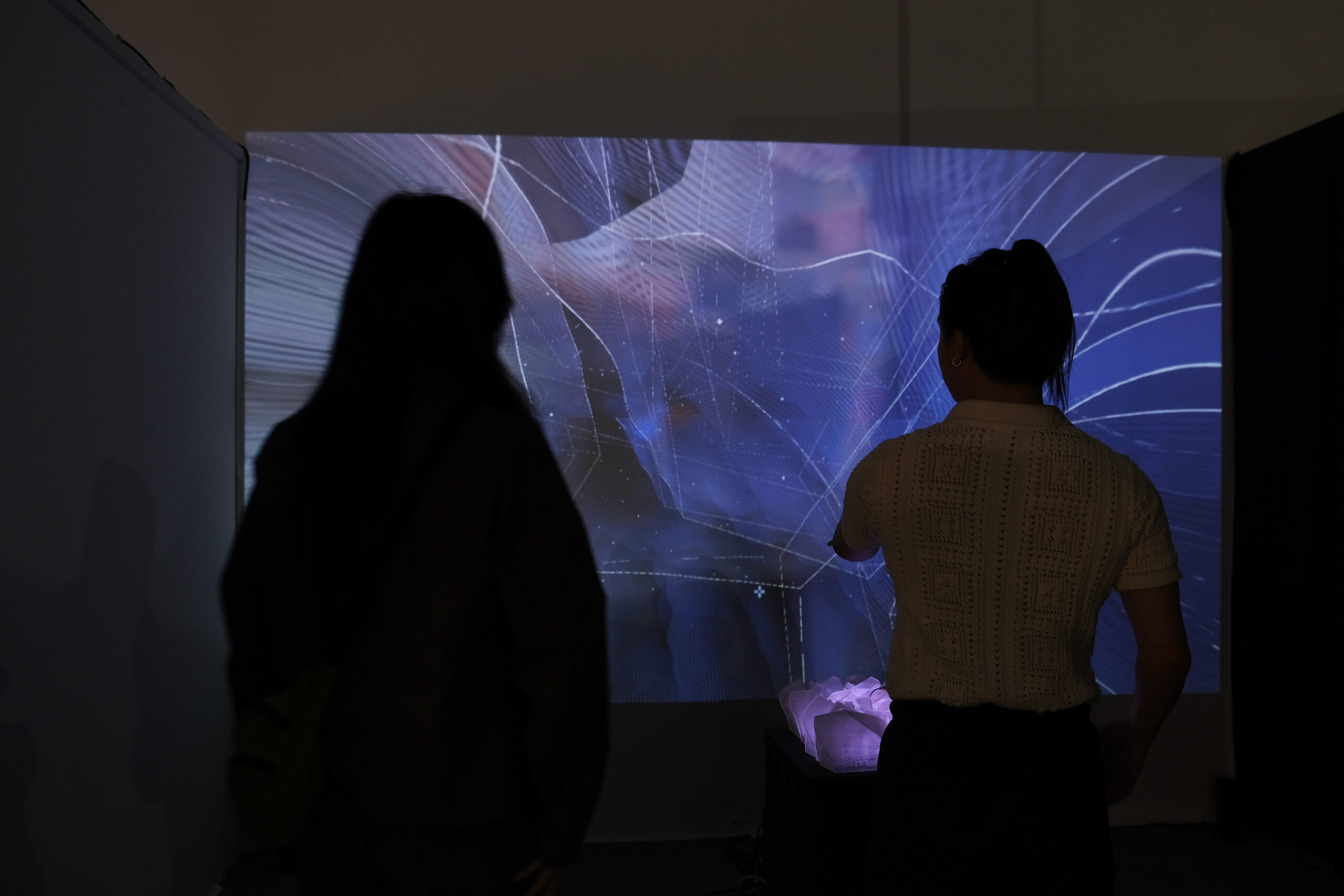
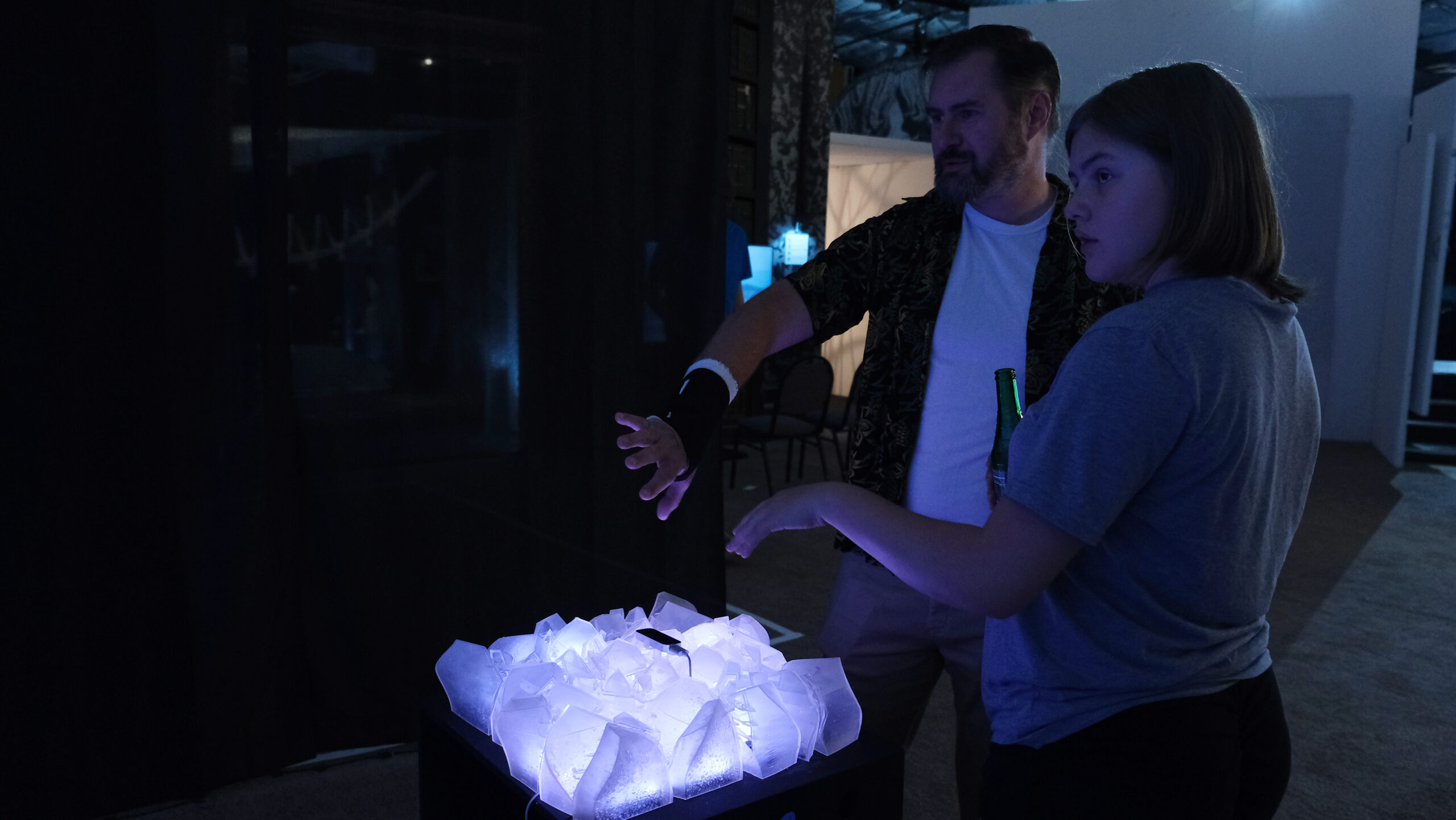
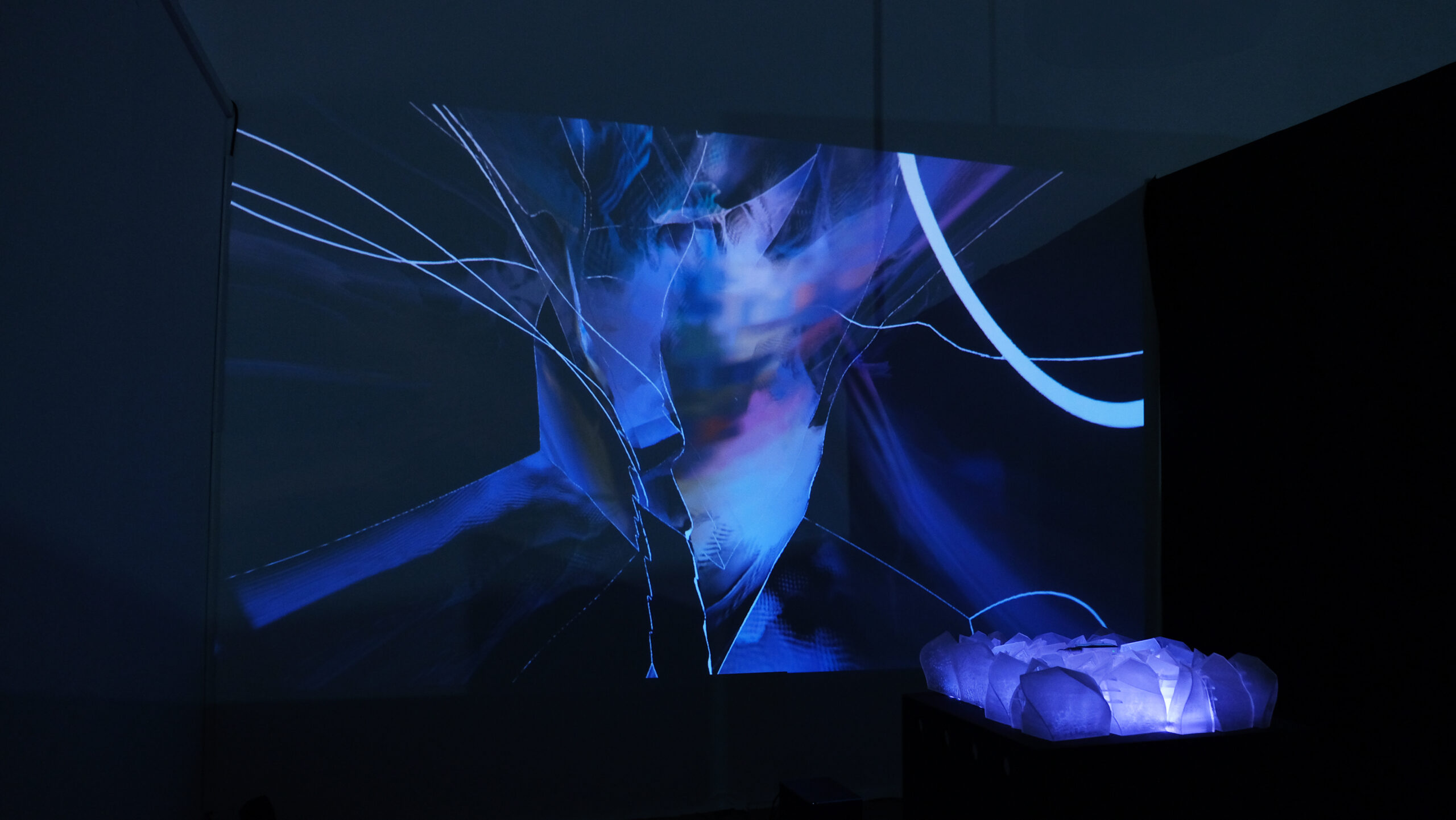
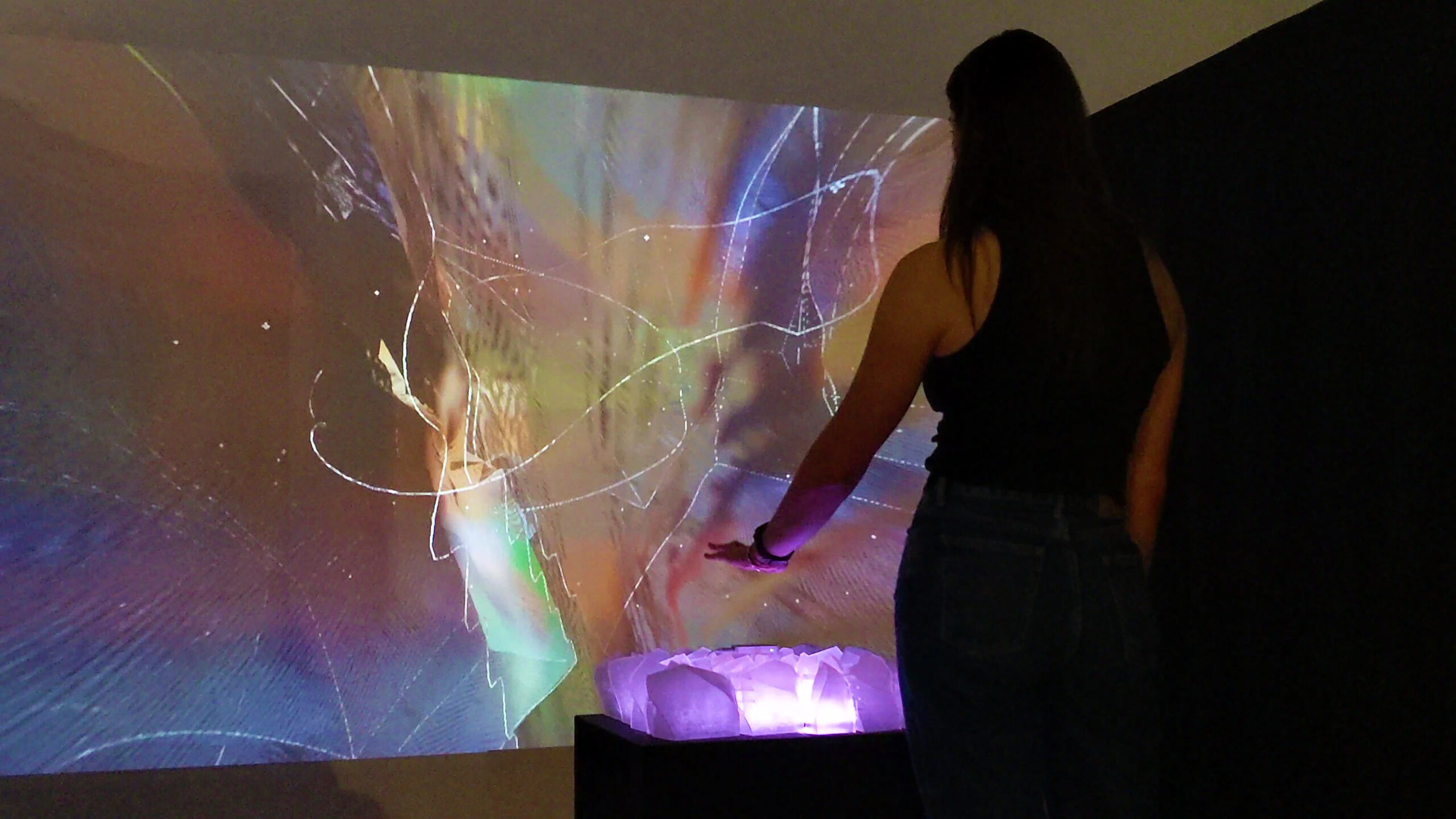
Through the spatialization of the Live Set framework in electronic music, which functions as an area-based quantization and mixing system, this approach delves into the mechanisms of spatialized mixing within an acoustic space, conceptualizing it as an interactive acoustic museum. Here, attenuation and physical reflection serve as the mediums for mixing, seamlessly bridging the real and virtual worlds. In this installation, gestures unlock the potential for real-time sound generation, transforming each member of the audience into a performer within the acoustic space.
The narrative gives rise to two distinct sets on different scales: “GAP+” embodies architecture, offering a structural expanse, while “GAP-” serves as an accessible instrument/installation, inviting engagement from all.
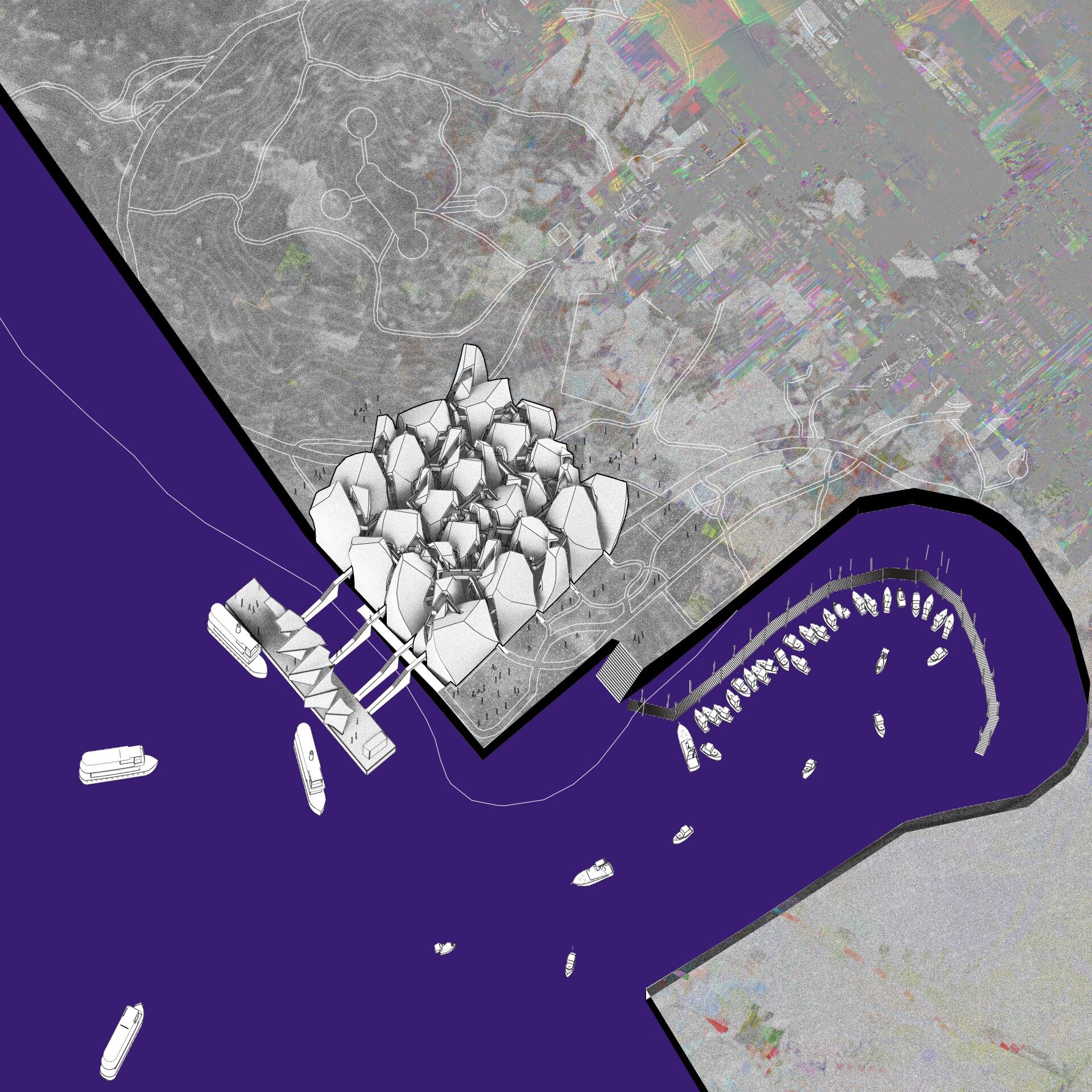
GAP+
Instrument units and sample units are designed in pairs and embedded in curved chambers of community space. Sample Units are connected with samplers, which collect and store sound from GAPs in Kulangsu. While walking through the space, we experience a remixed soundscape of the whole Kulangsu. Instrument Units are semi-open gallery spaces, audiences tracked by sensors trigger notes of the performance.
To record and exhibit the sound of on-going Kulangsu? Could audience becomes a performer of their own “Kulangsu Set”?
“GAP +” – a spatial structure wandering out of Kulangsu. By just walking, people interact with the space revealing the first chapter to Kulangsu.
INSTALLATION
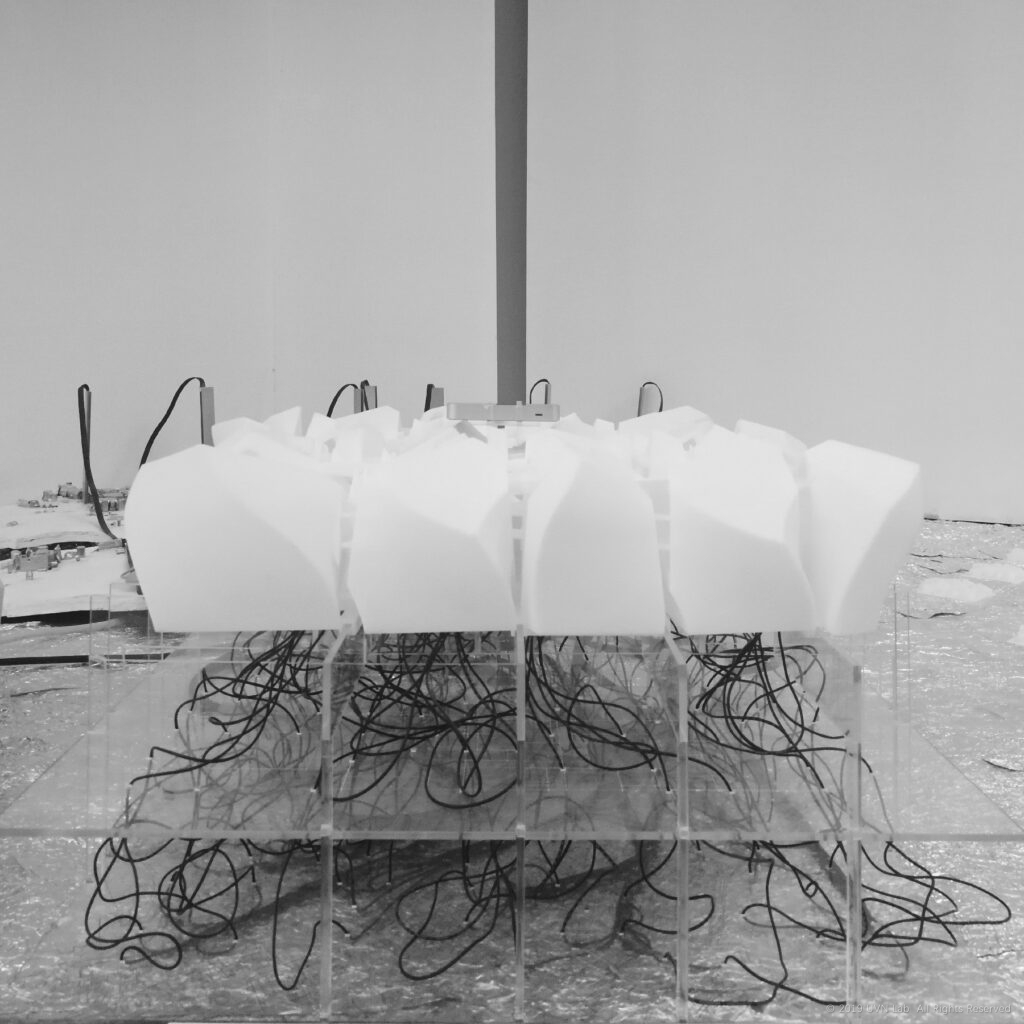
GAP-
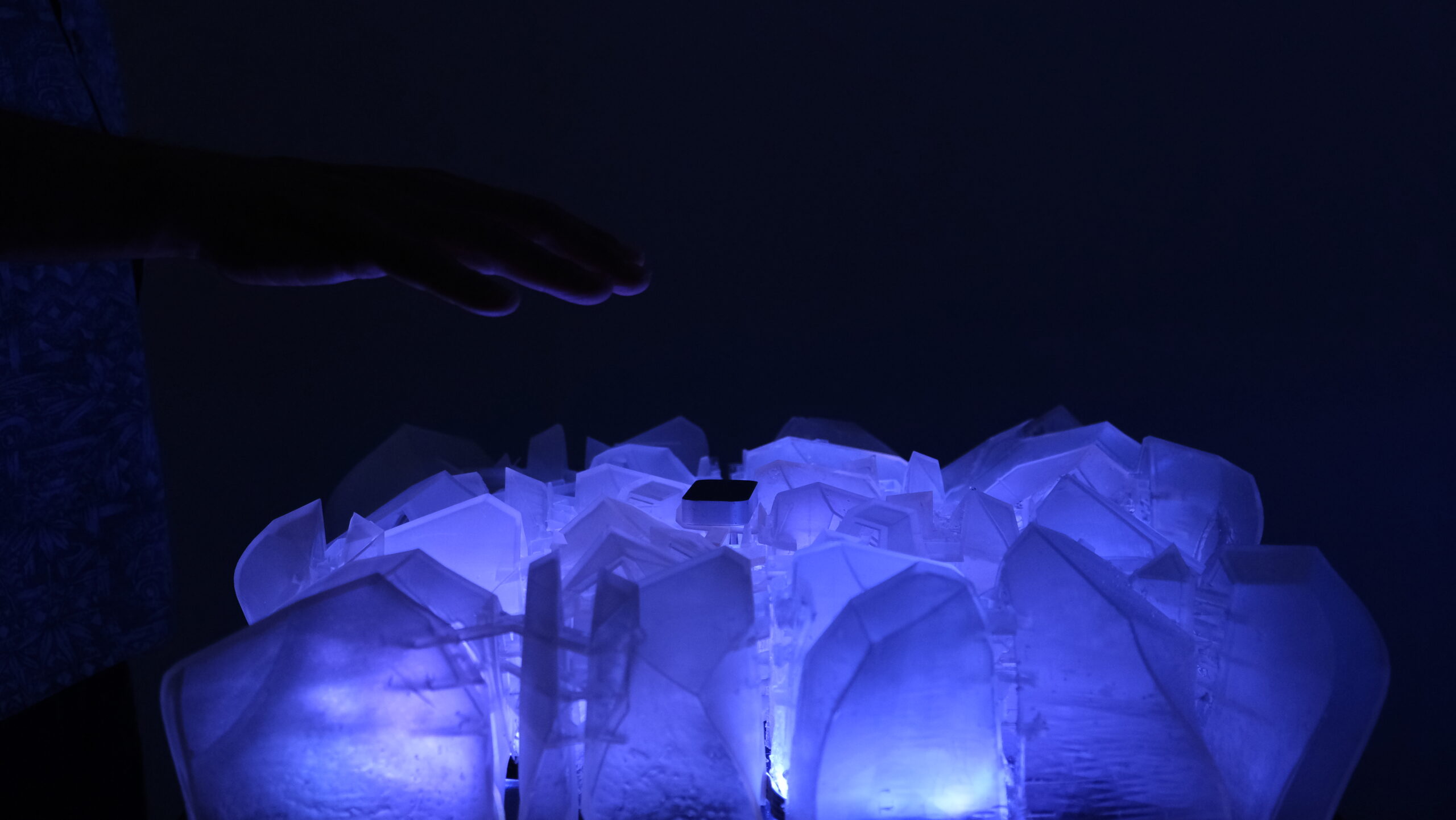
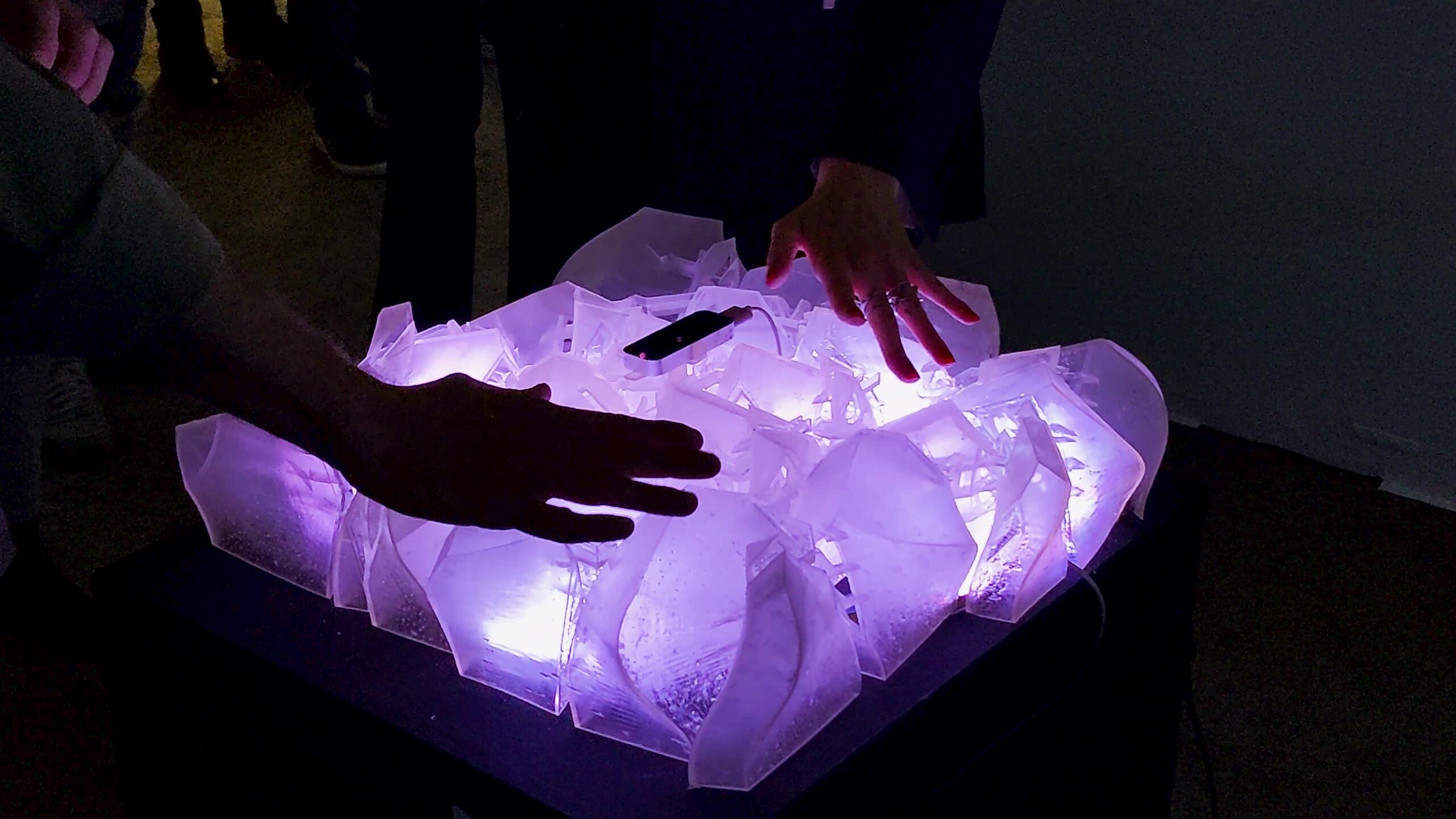
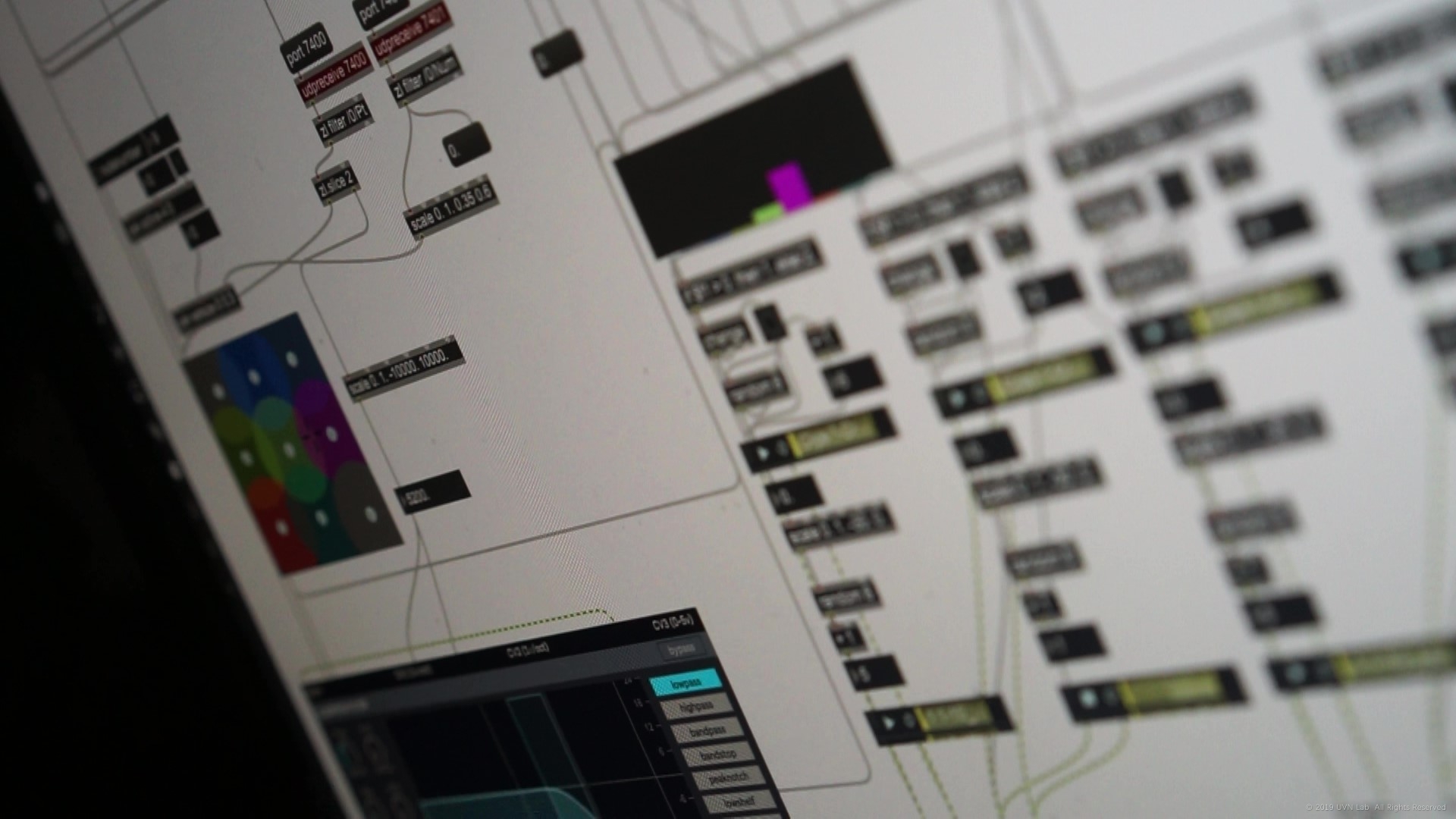
With sensors and a spatial audio system built with c# and MAX/MSP, it translates space information into sound scenes. By collecting sound in Kulangsu, what we play on GAP- HERE, is connected to THEREs on Kulangsu.
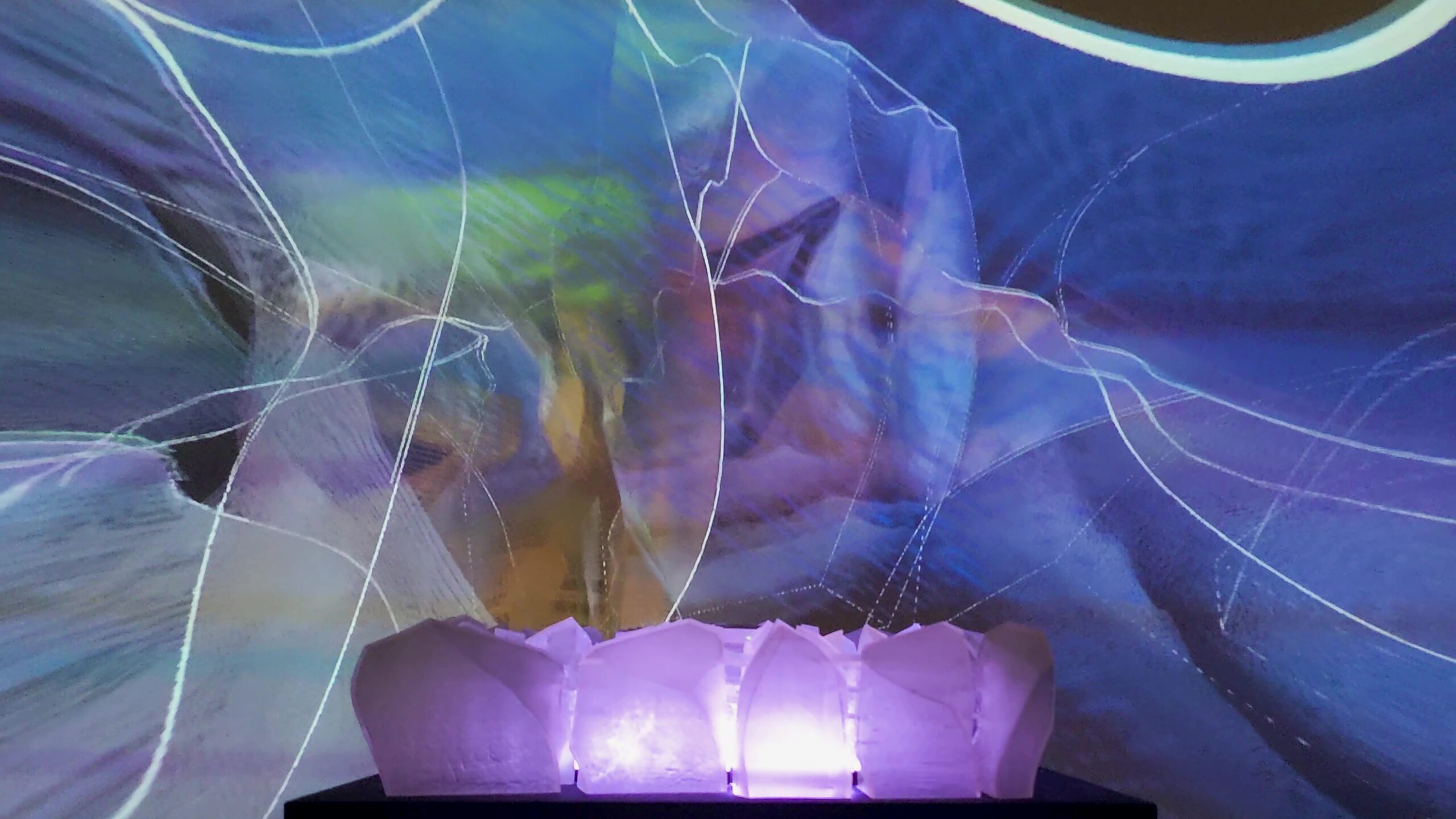
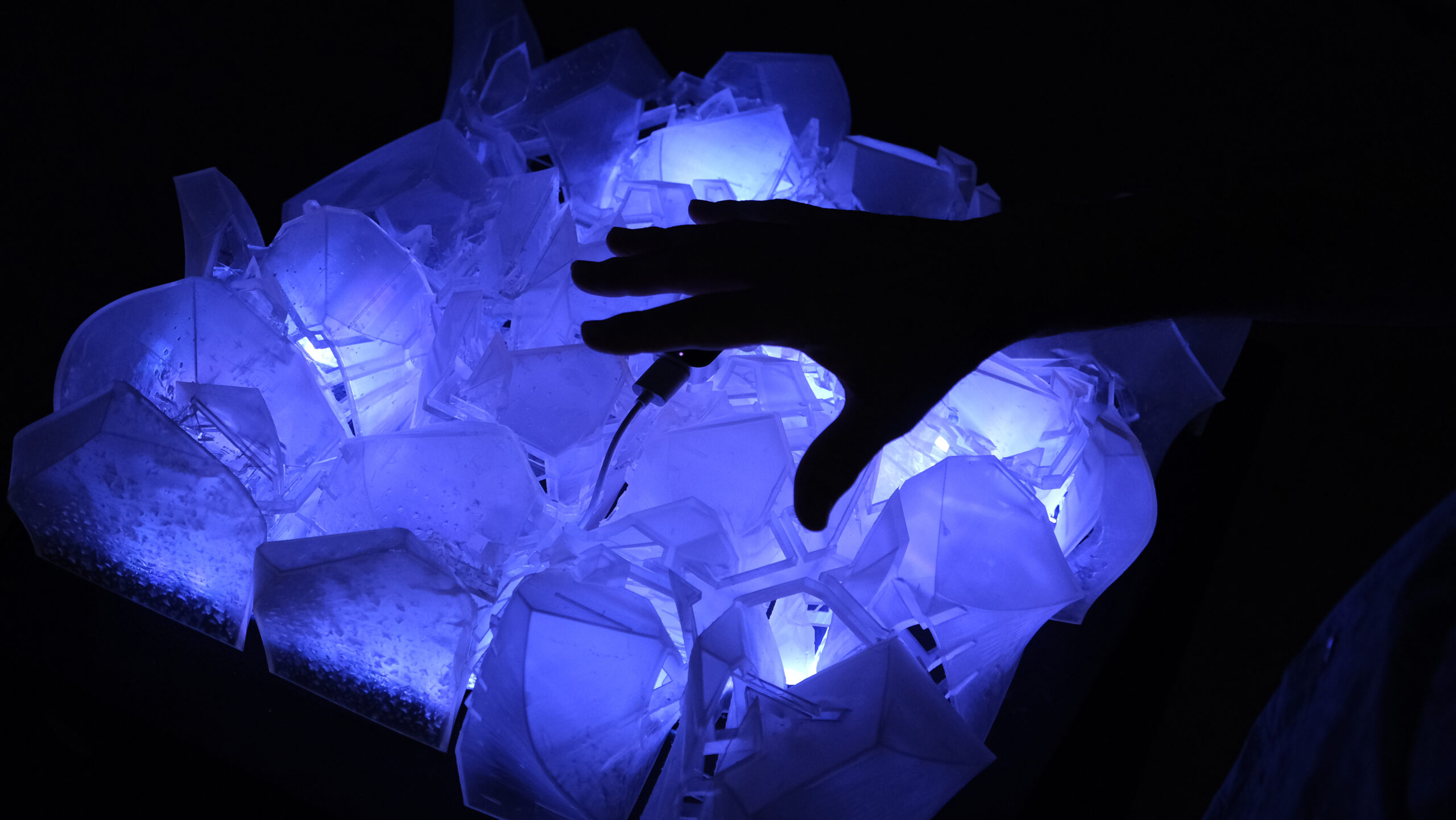
The “GAP-” allows audience to control a Spatialized Live Set structure, in a spatial-synthesis way – by fetchinging spatial data of hand gestures, space becomes the guideline for audio generation and virtual tour through the space, making the piece a new instrument for general audiences – which works as implicit-to-explicit, to generate visual and space based on the guideline of sound.
In the coordinate of “GAP-“, areas are distributed with specific ambience. In the same area, several similar clip pools of possibilities are picked for each ambient sound mixing – when user re-trigger an area, the clips will be re-assigned – clips are changing, but the ambience never change.
Spatial Synthesis Framework
Inspired by structure of Live Set Performance, as an allegory to urban space structure. The system enables performance through gestures.
Space is divided into different regions, which is similar to a spatialization of a “Live Set” structure, functions as spatially distributed audio groups. Each group has its own attributes(loop, speed, quantization clocks, volume, audio effects and reverb sizes). While the represented user location switching from one region to another, different audio groups are triggered on clock, like a musical system. Meanwhile, the height of user/hand defines the parameter of audio effect, which is defined as frequency value of a low-pass filter in the set of GAP+.
MORE ABOUT THIS PROJECT:
An early essay written in 2019, about the first iteration in the thesis project at CAFA.