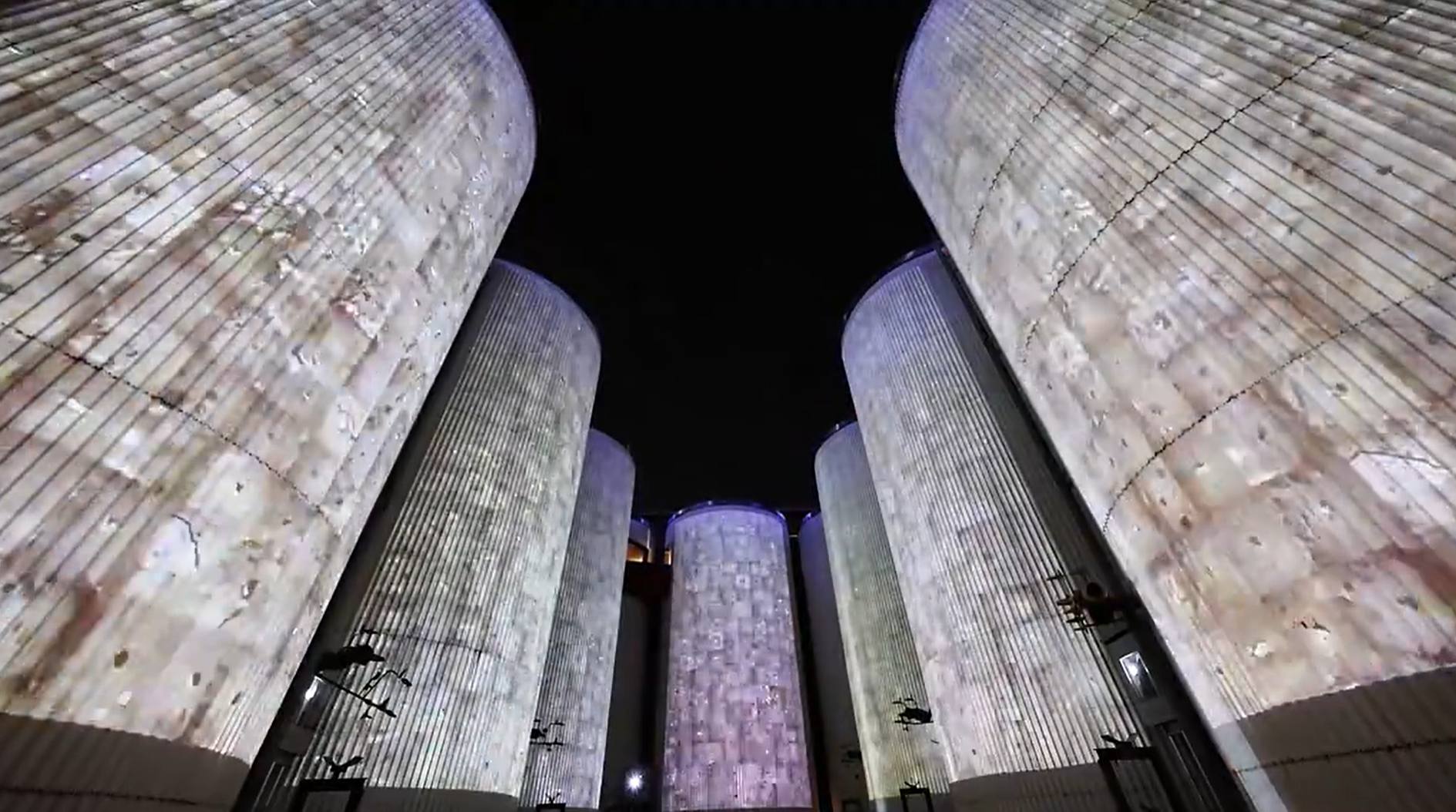
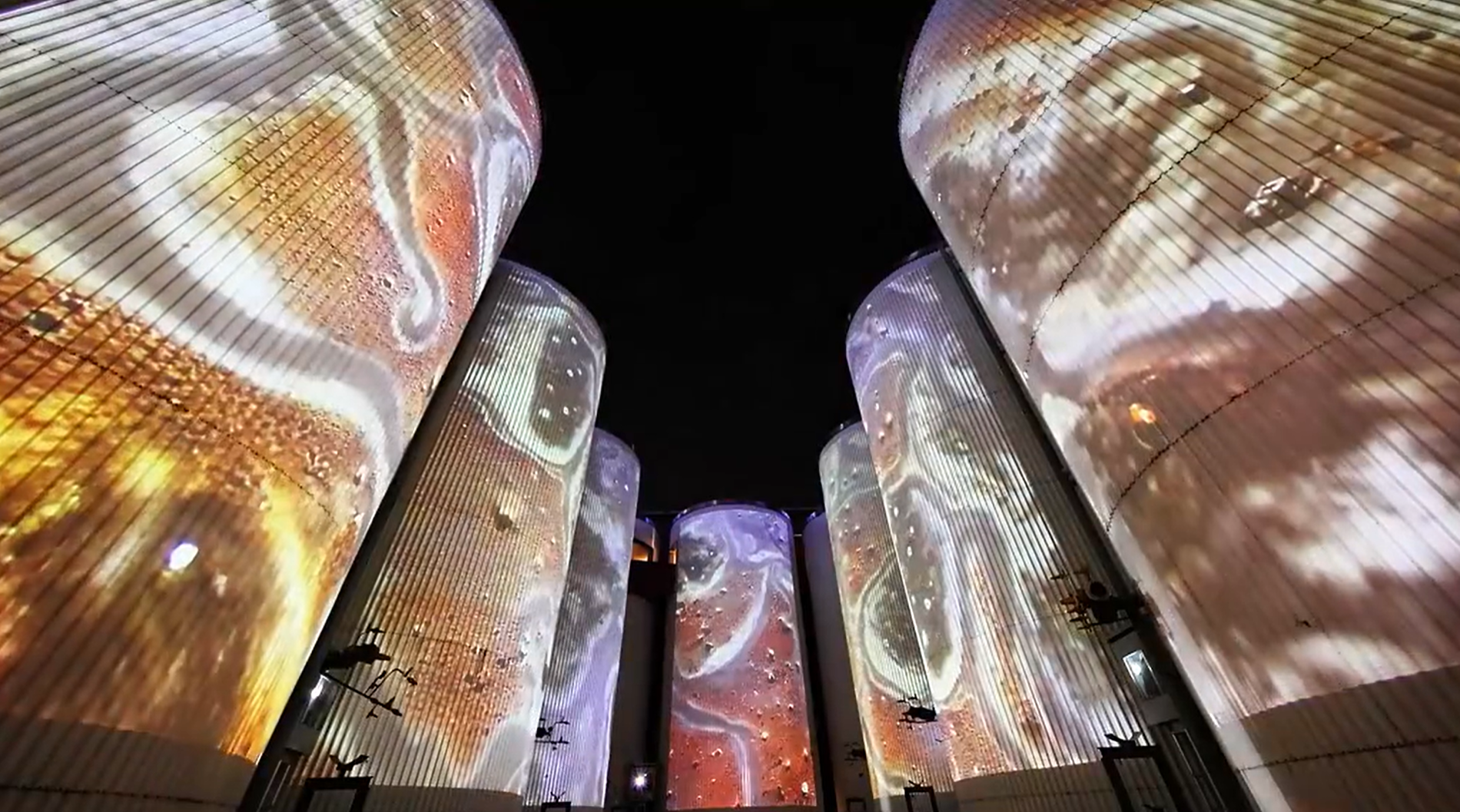
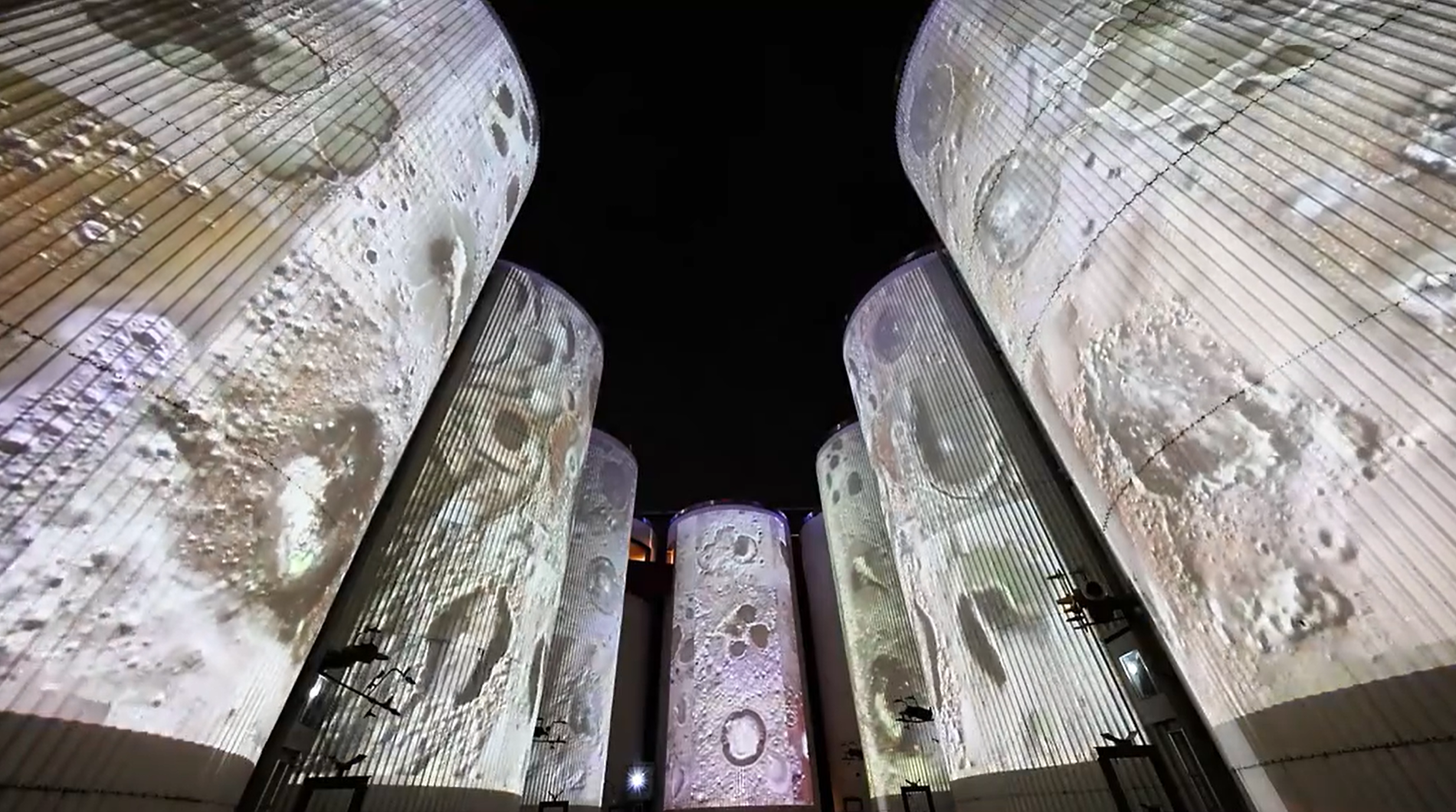
Are we gazing at the same moon?

Are We Gazing at the Same Moon? Do we observe things within the same time and space?

The moon has long been a symbol of collective human experience, appearing in art, literature, and philosophy as a means to explore time, space, and memory. Its familiar presence in the night sky connects people across distances, eras, and cultures, serving as a shared point of reference for thoughts, emotions, and reflections. Yet, how much of our experience of the moon is truly shared? What if, despite our collective memory of it, the act of gazing at the moon is more fragmented and subjective than we realize?

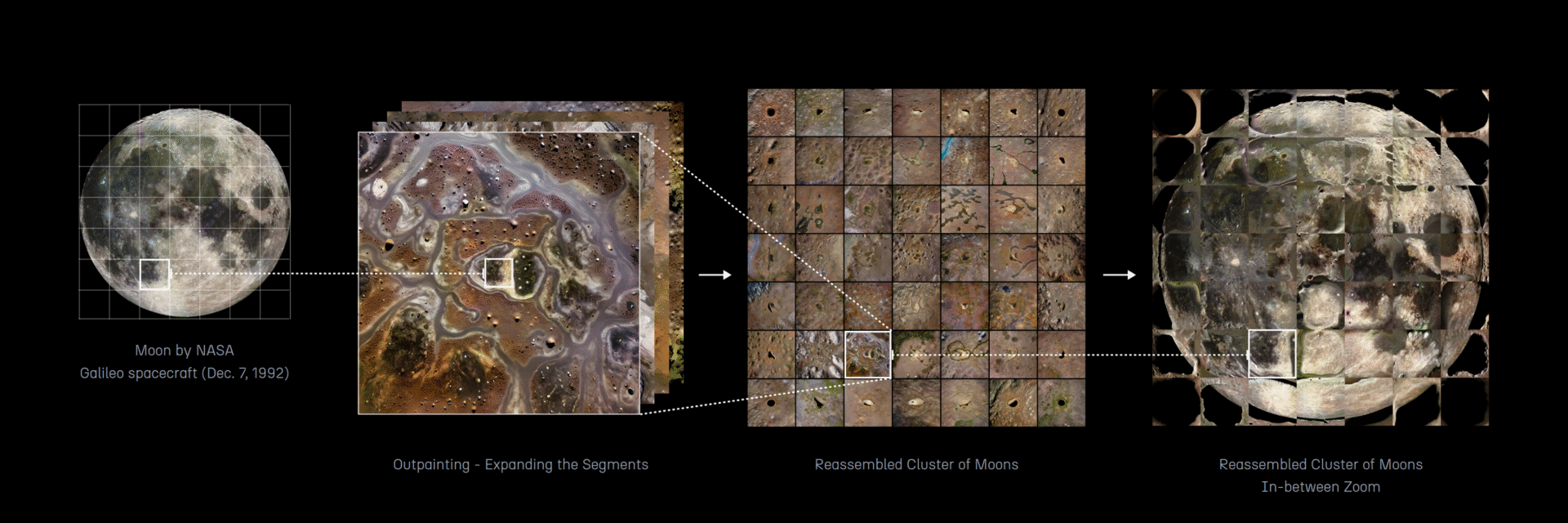
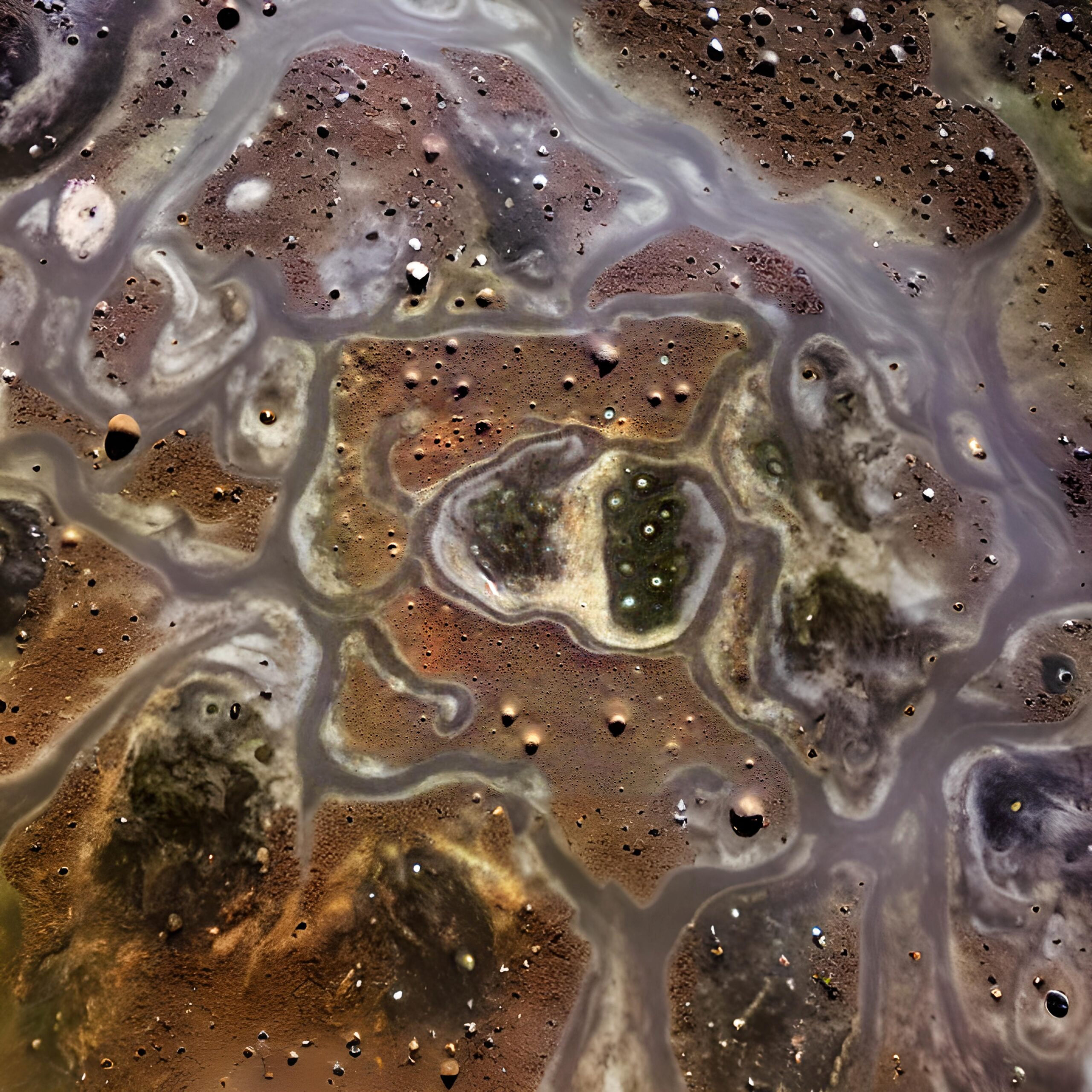
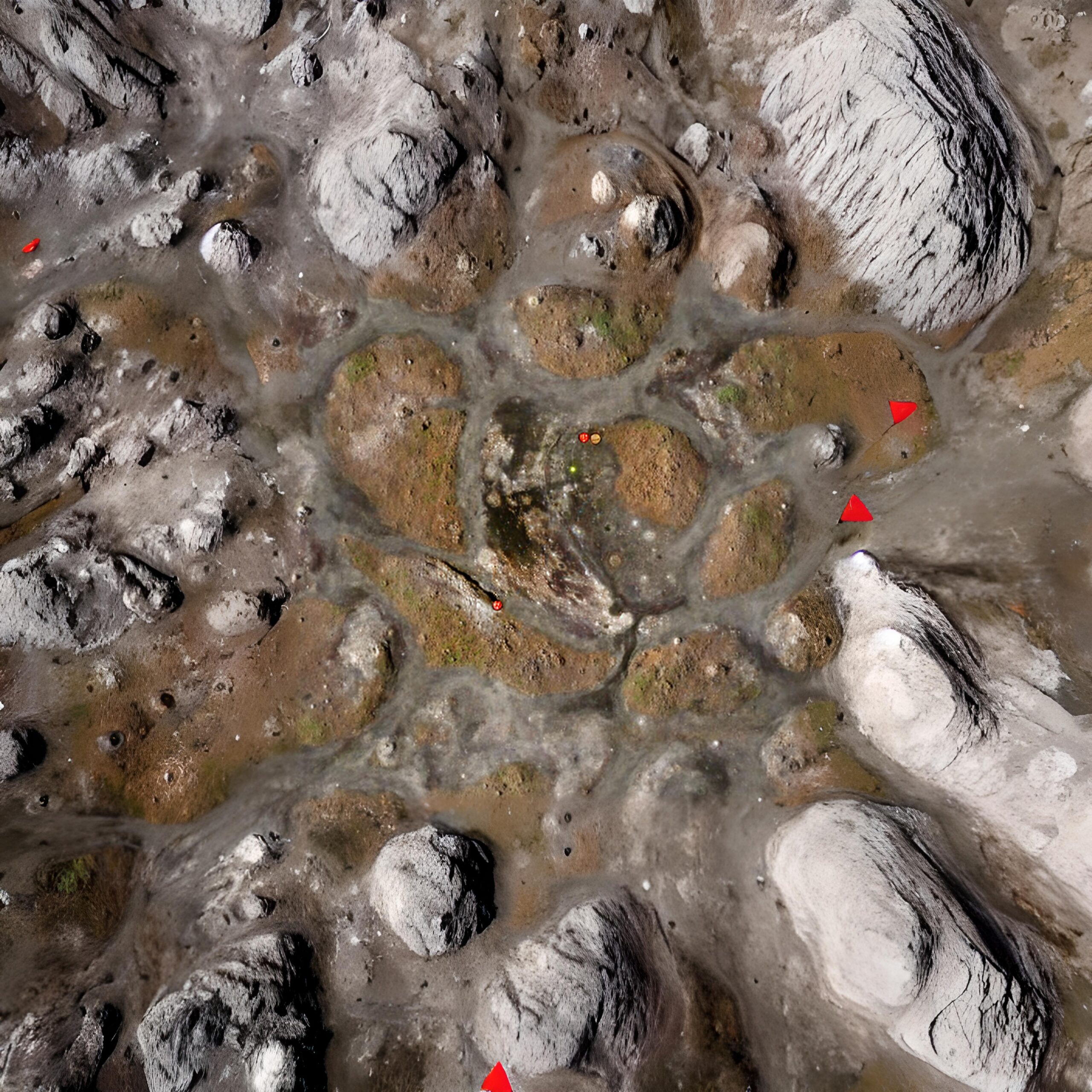
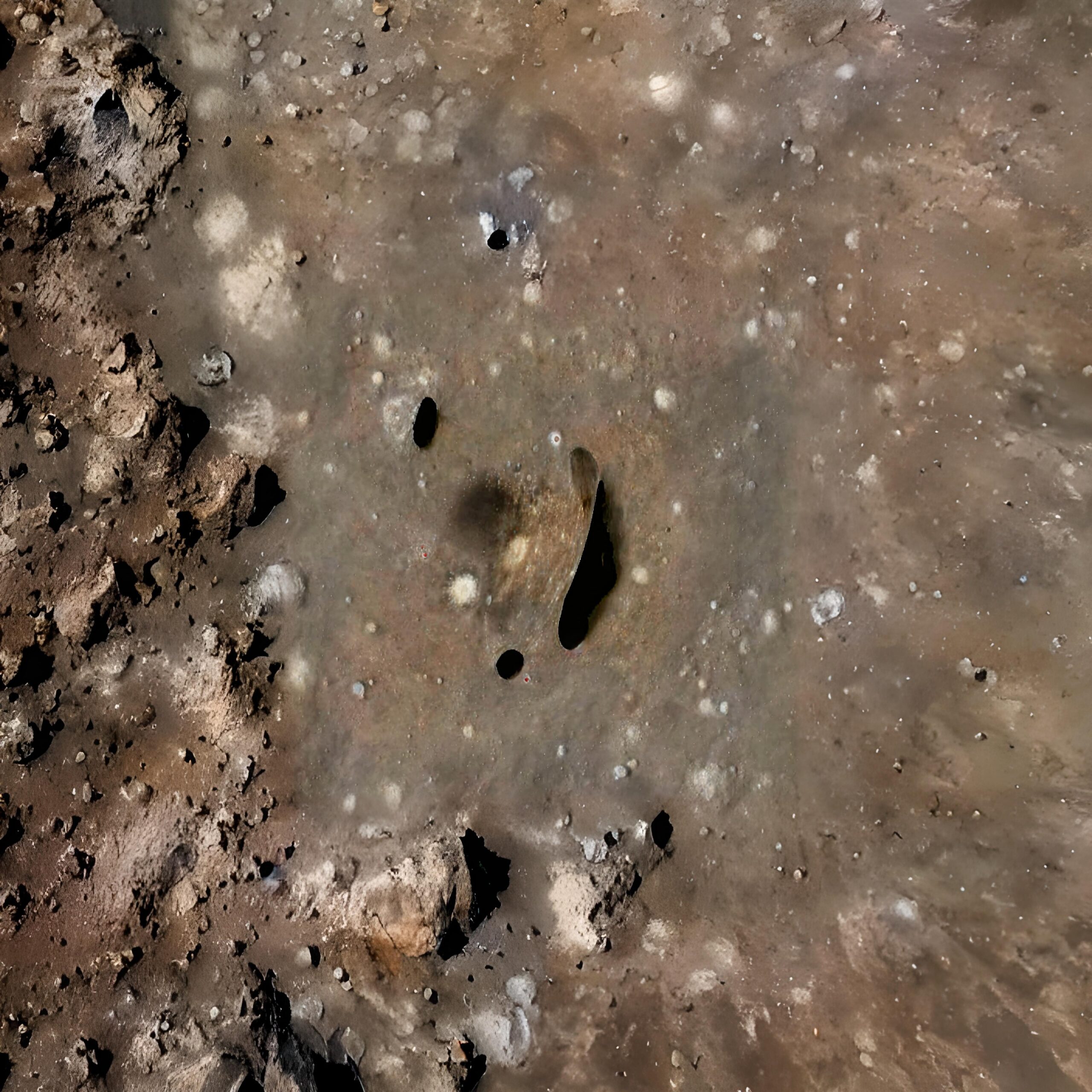
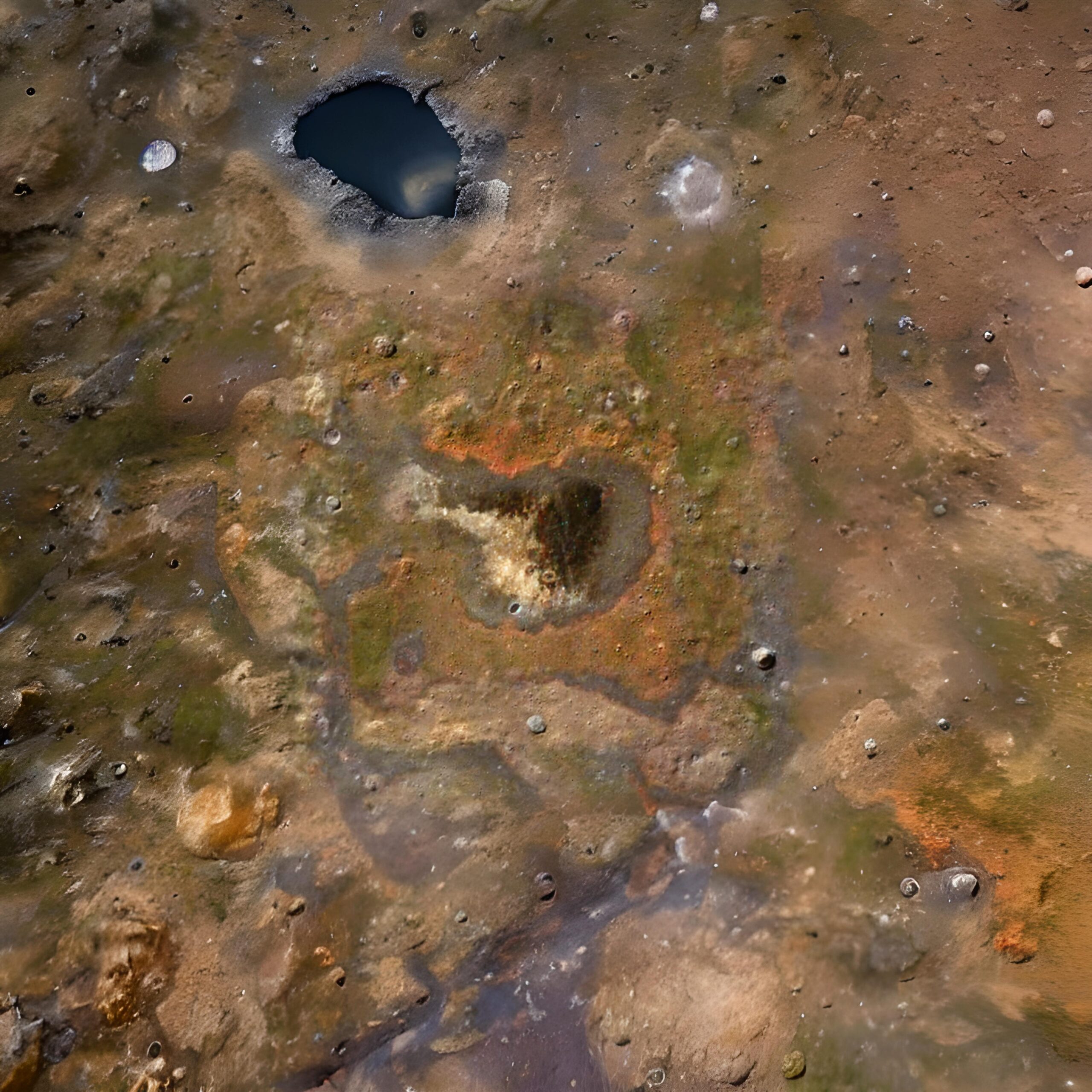
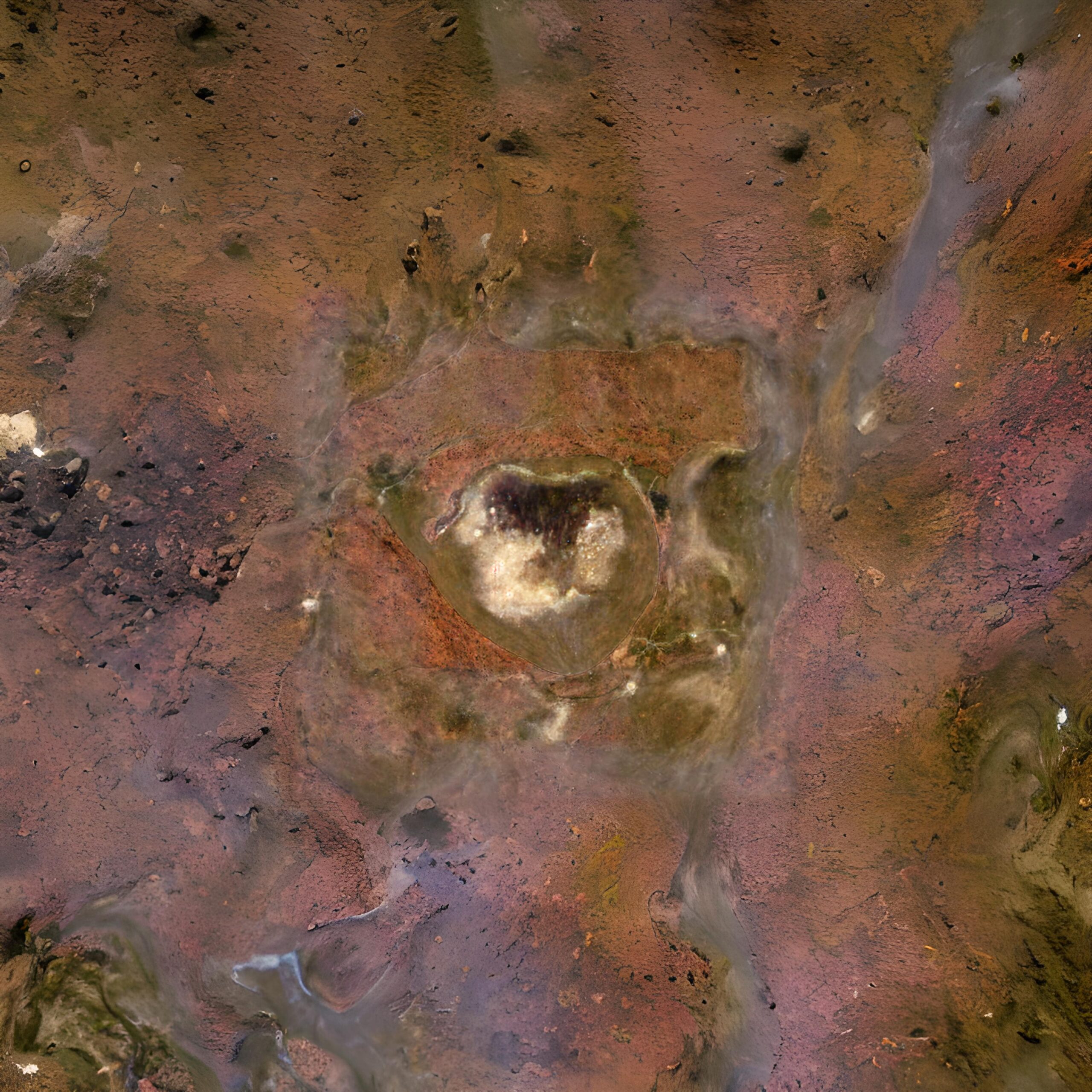
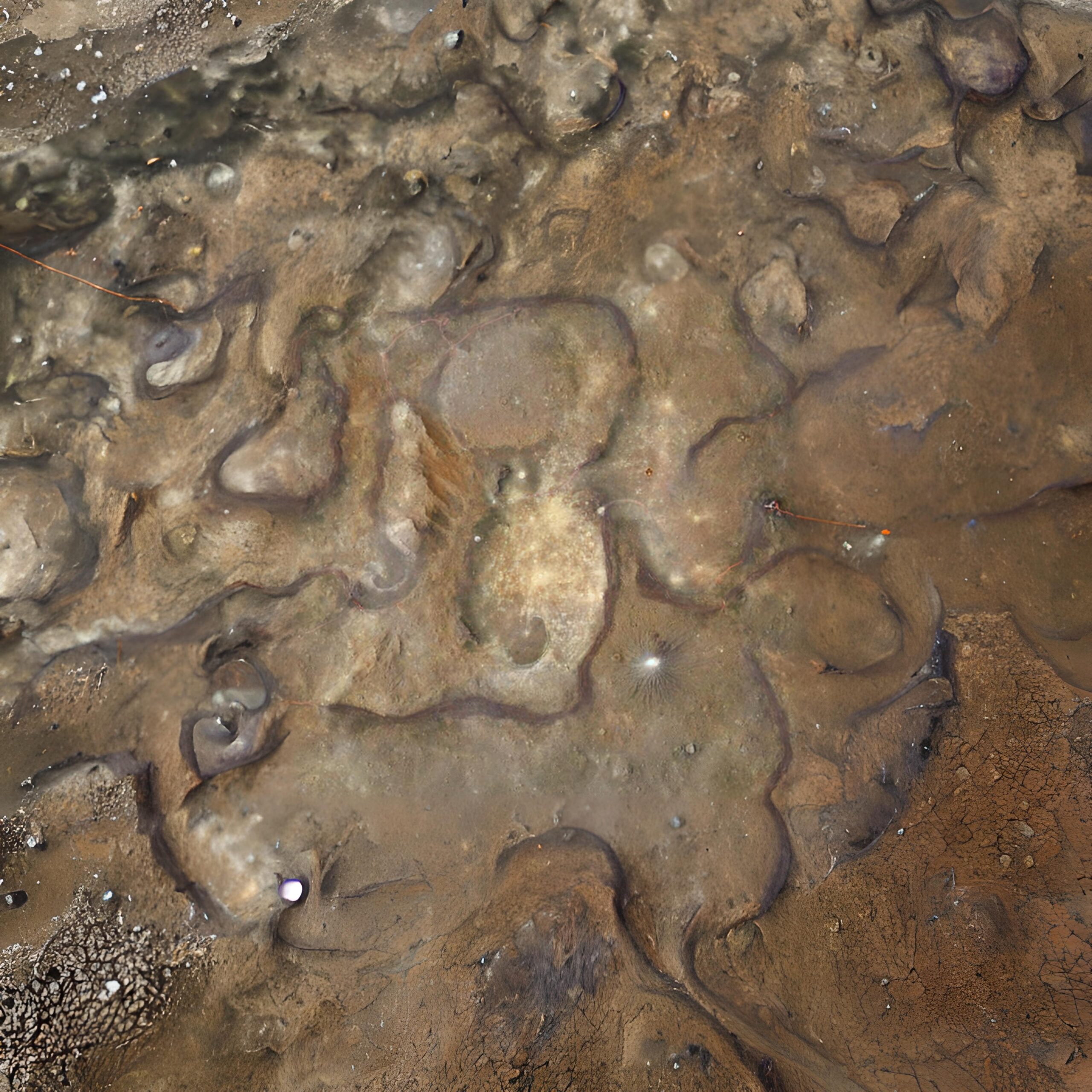
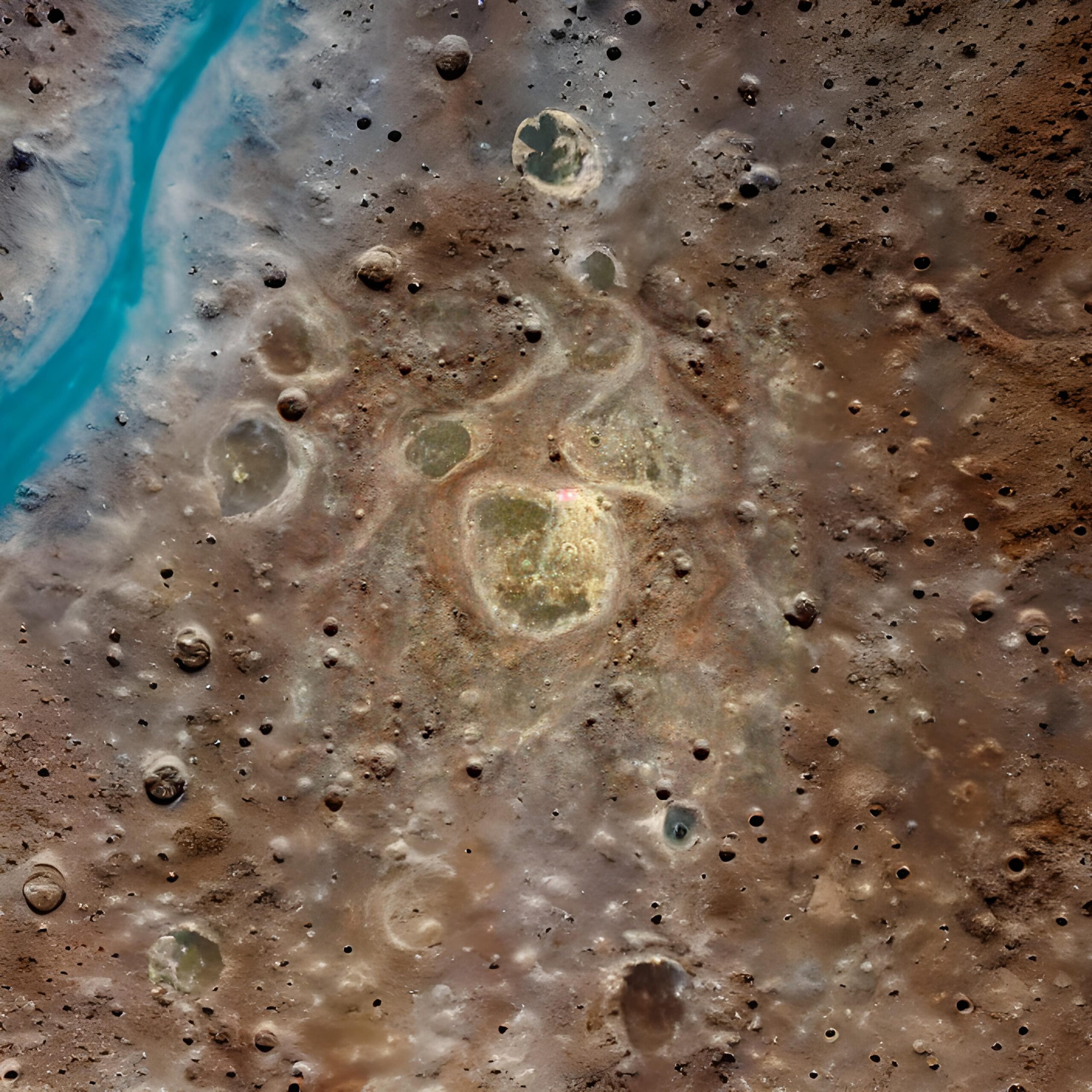
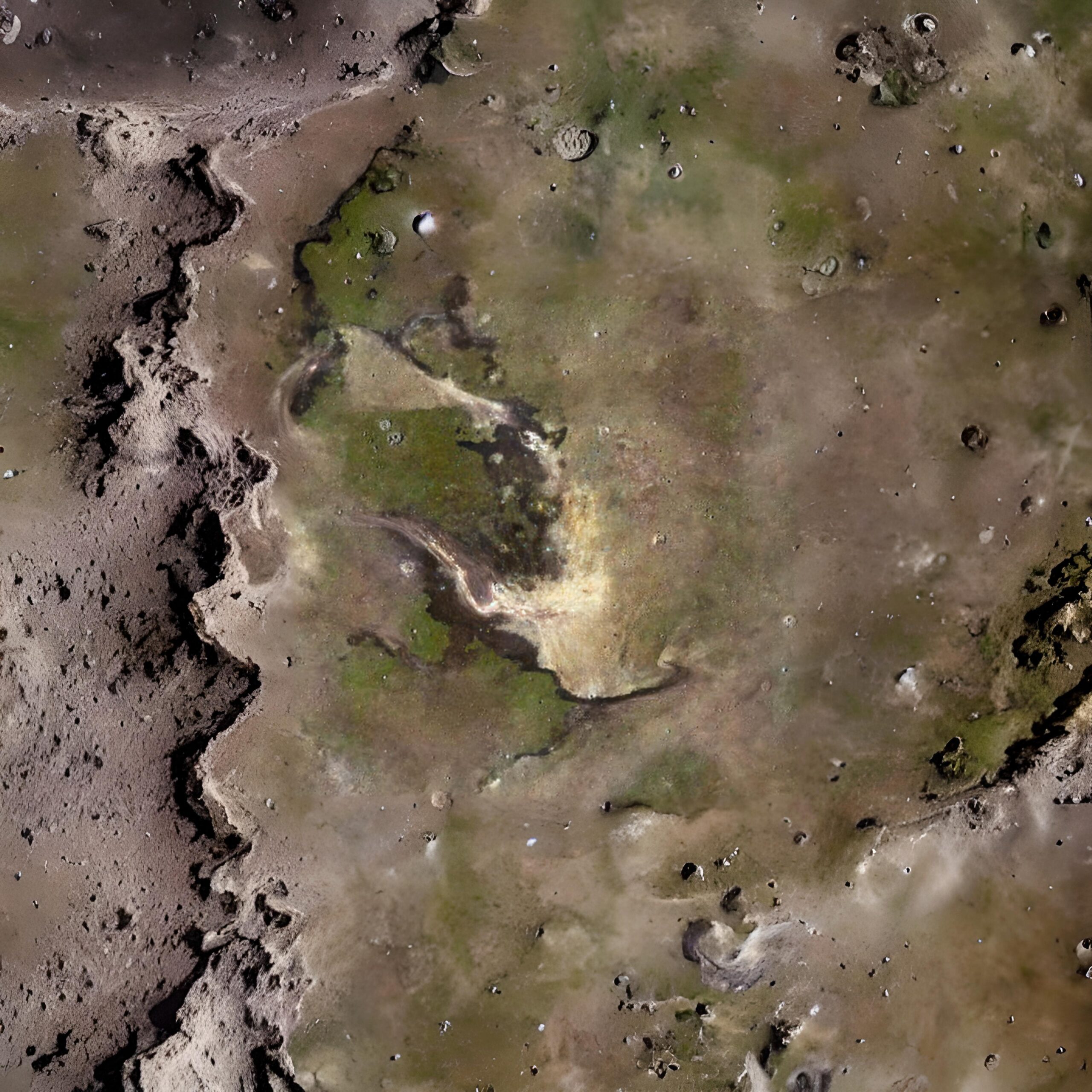
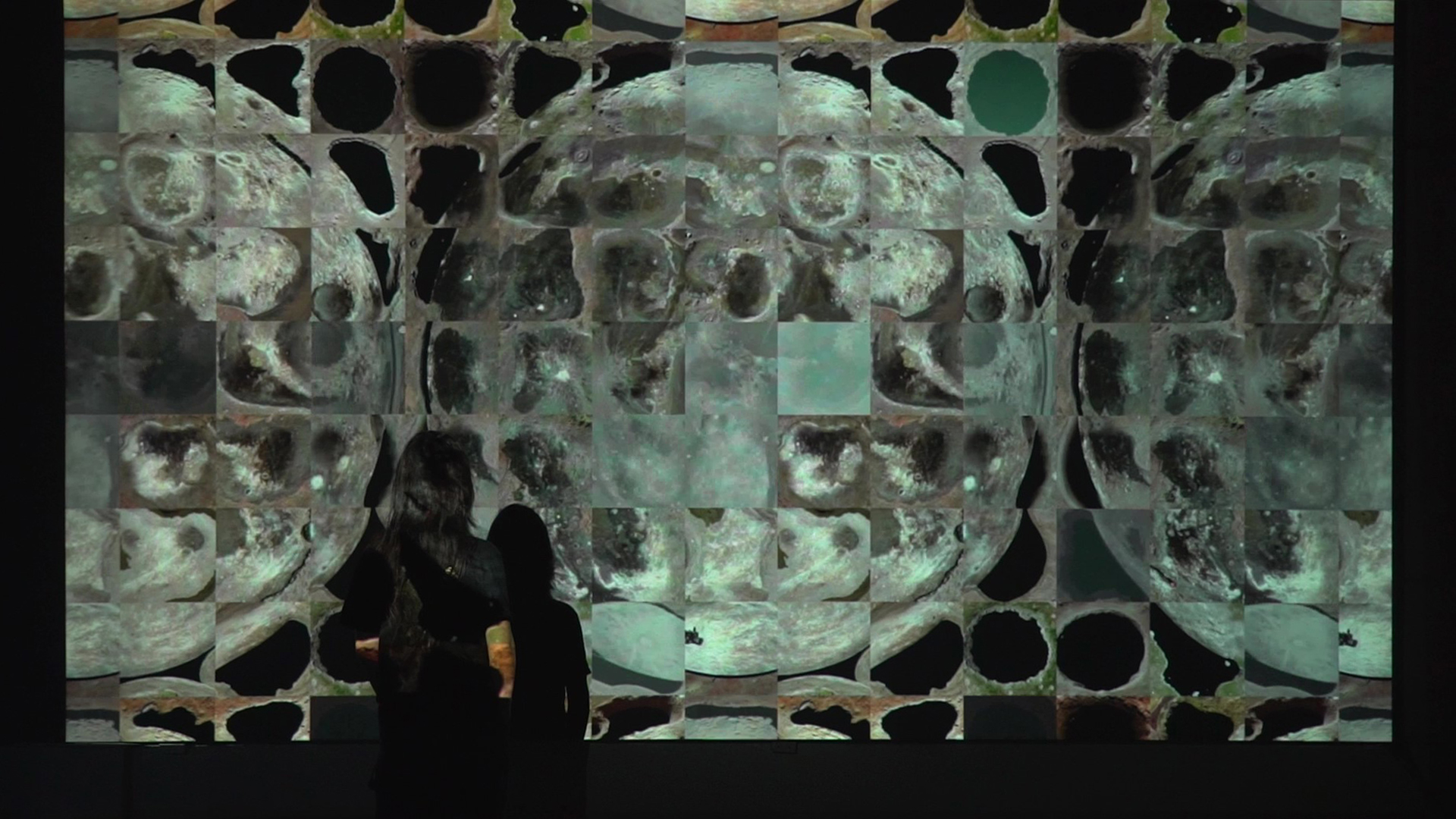
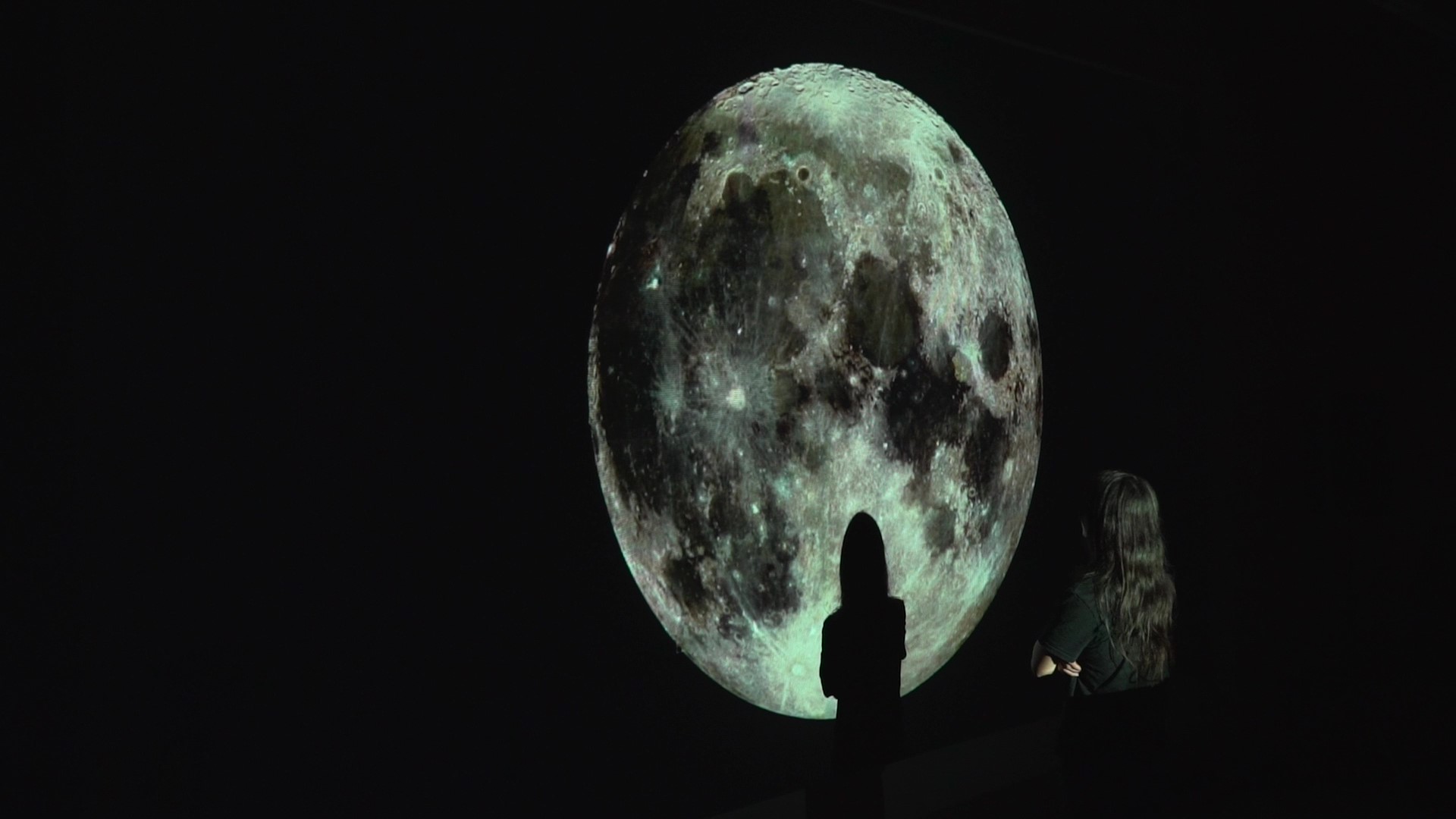
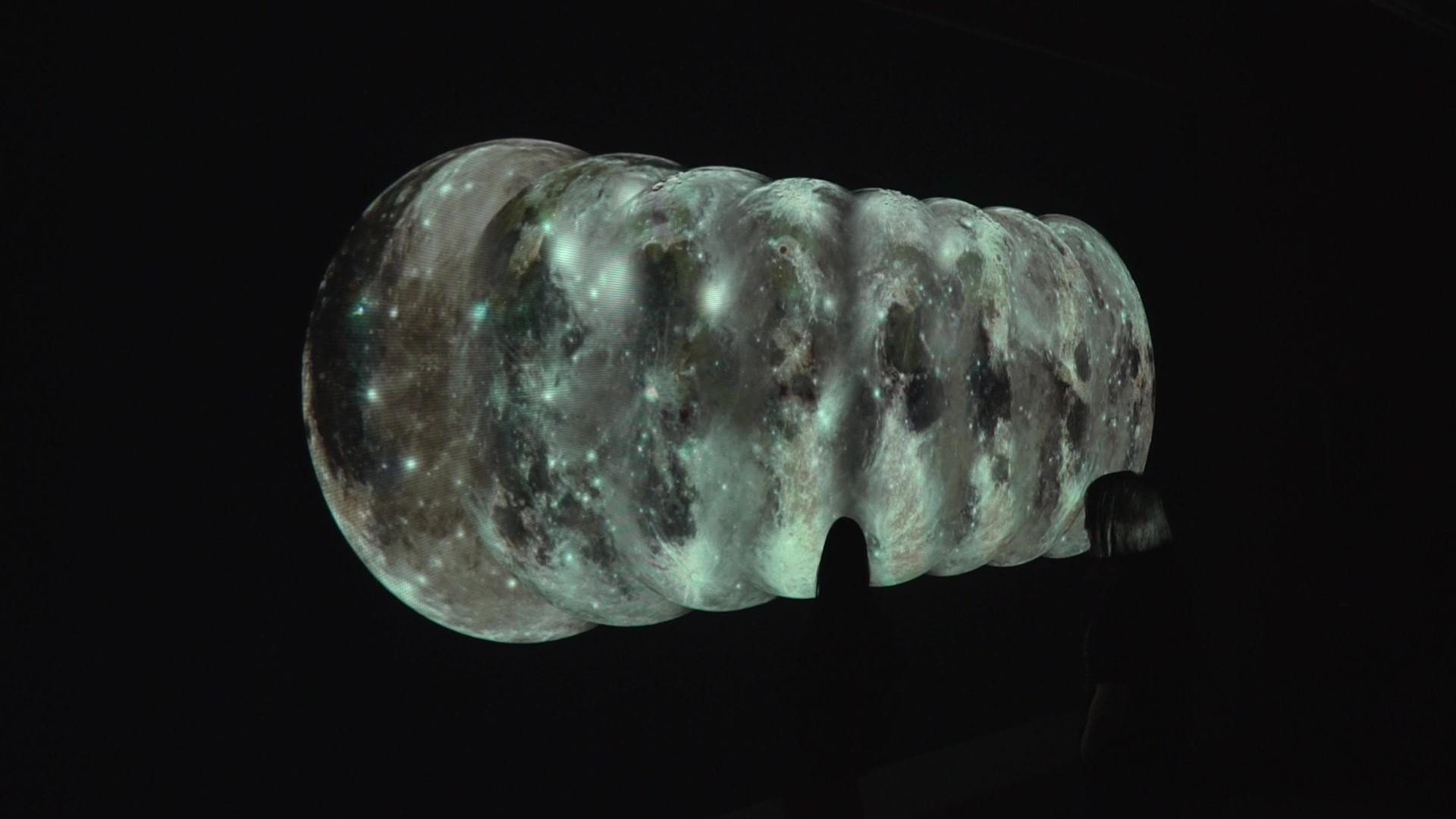
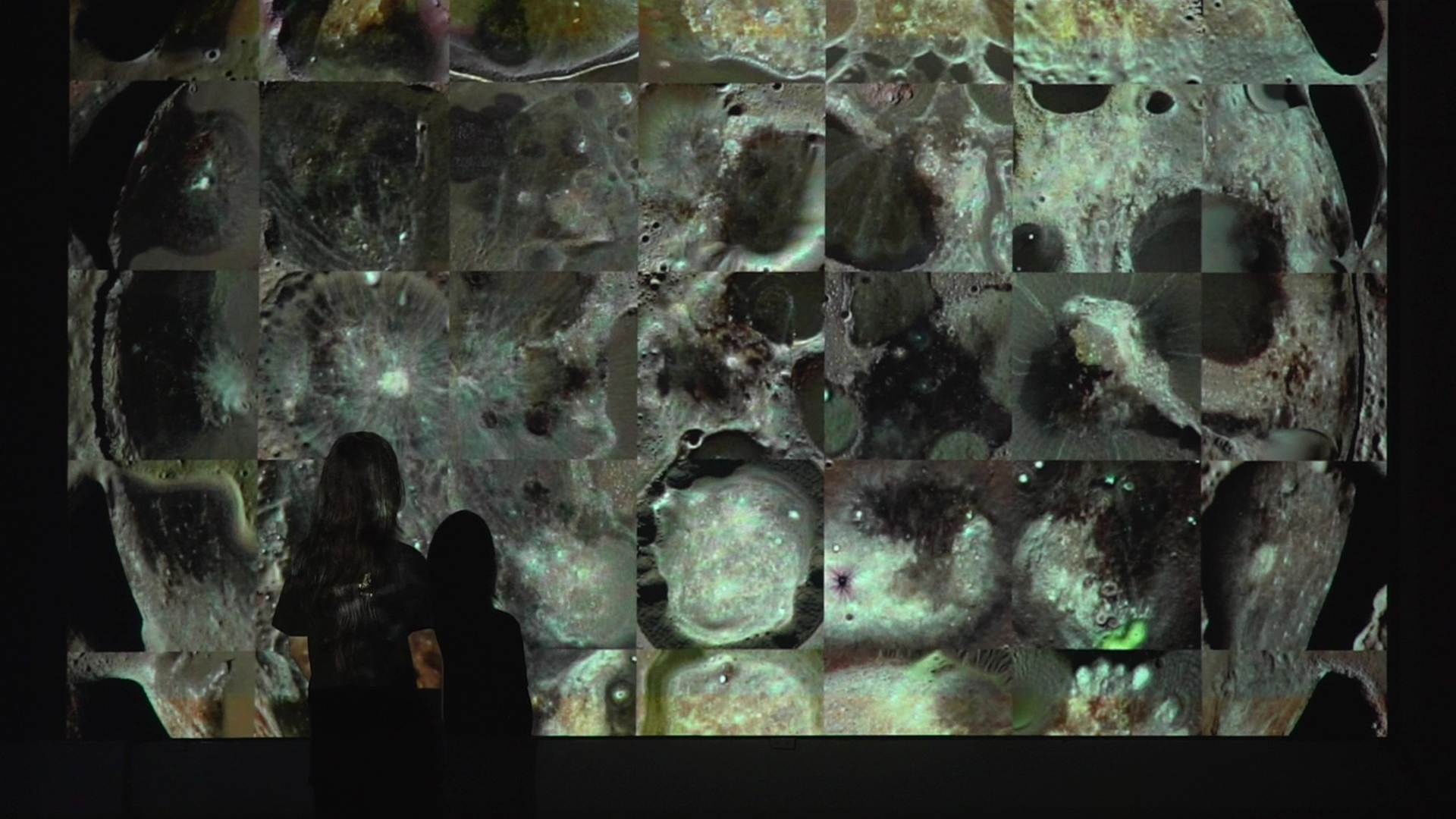
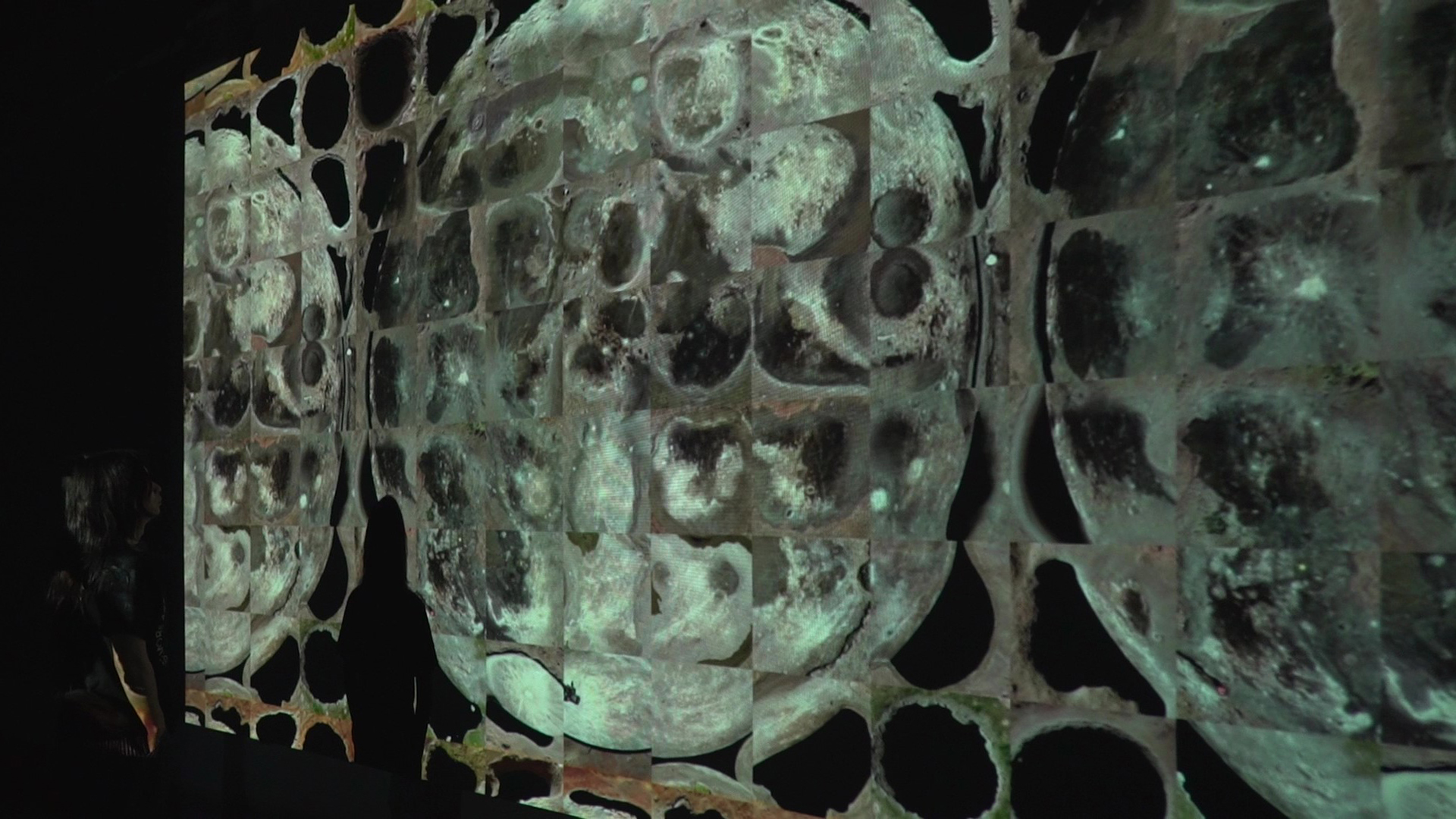
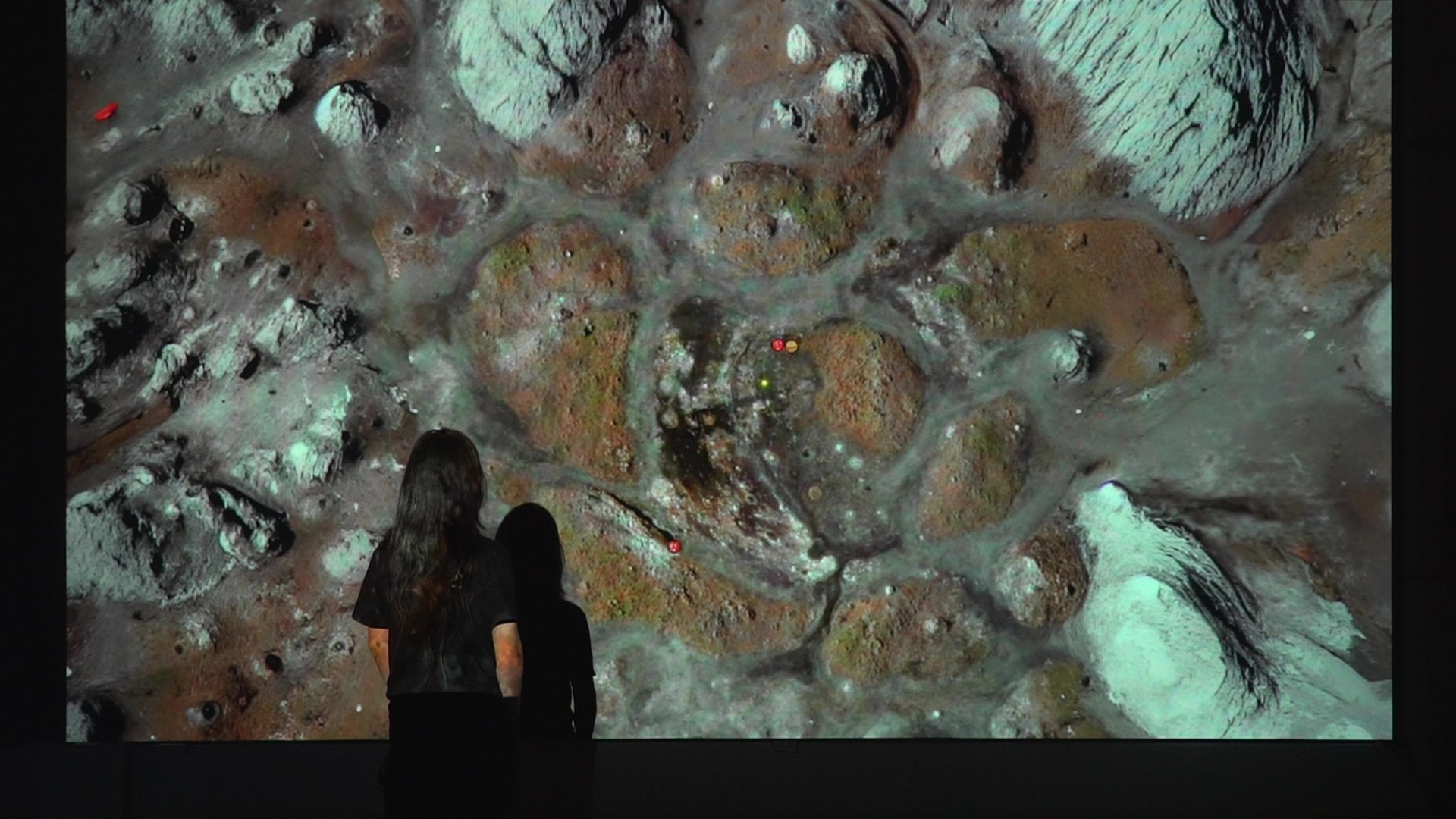
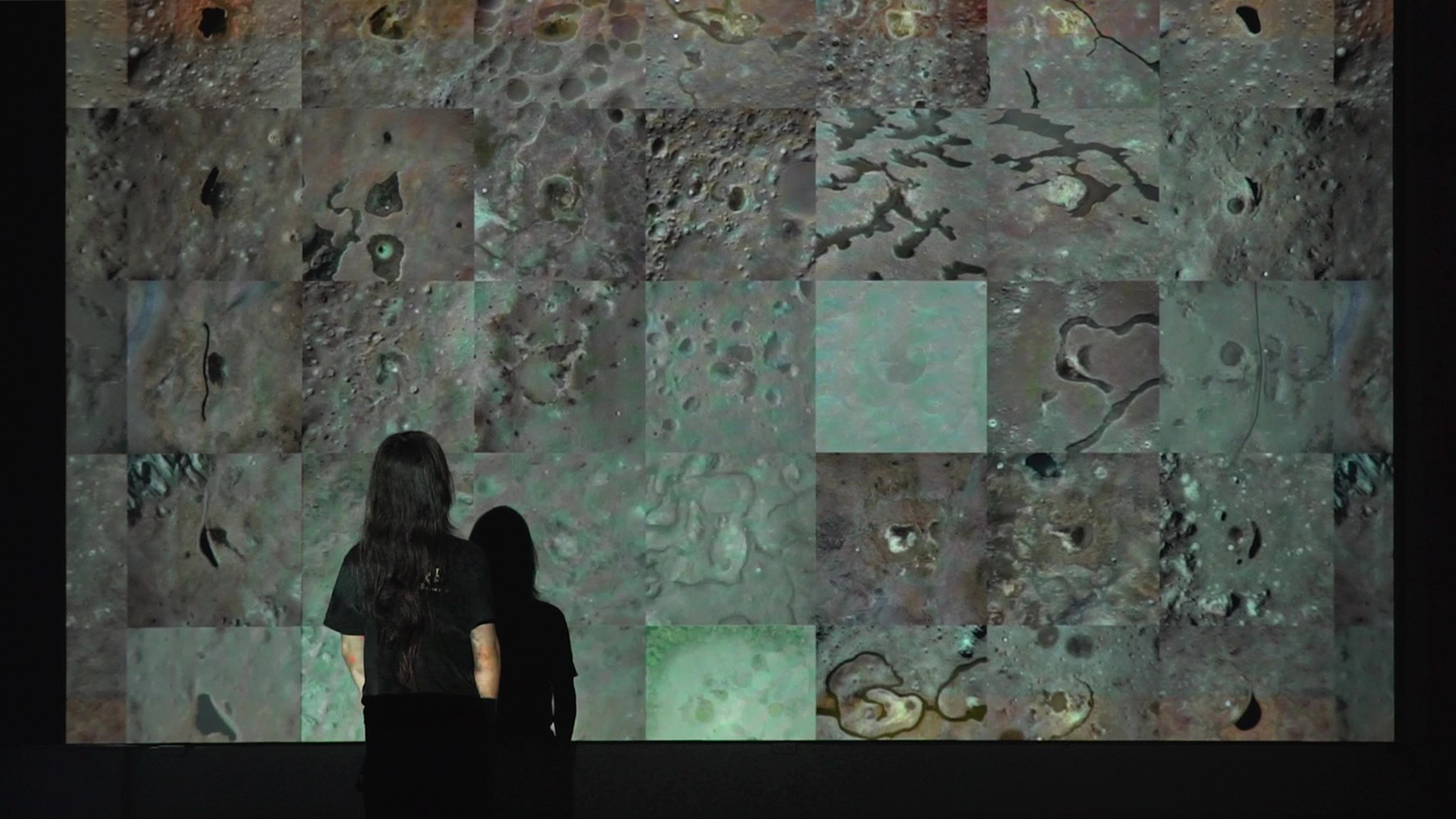
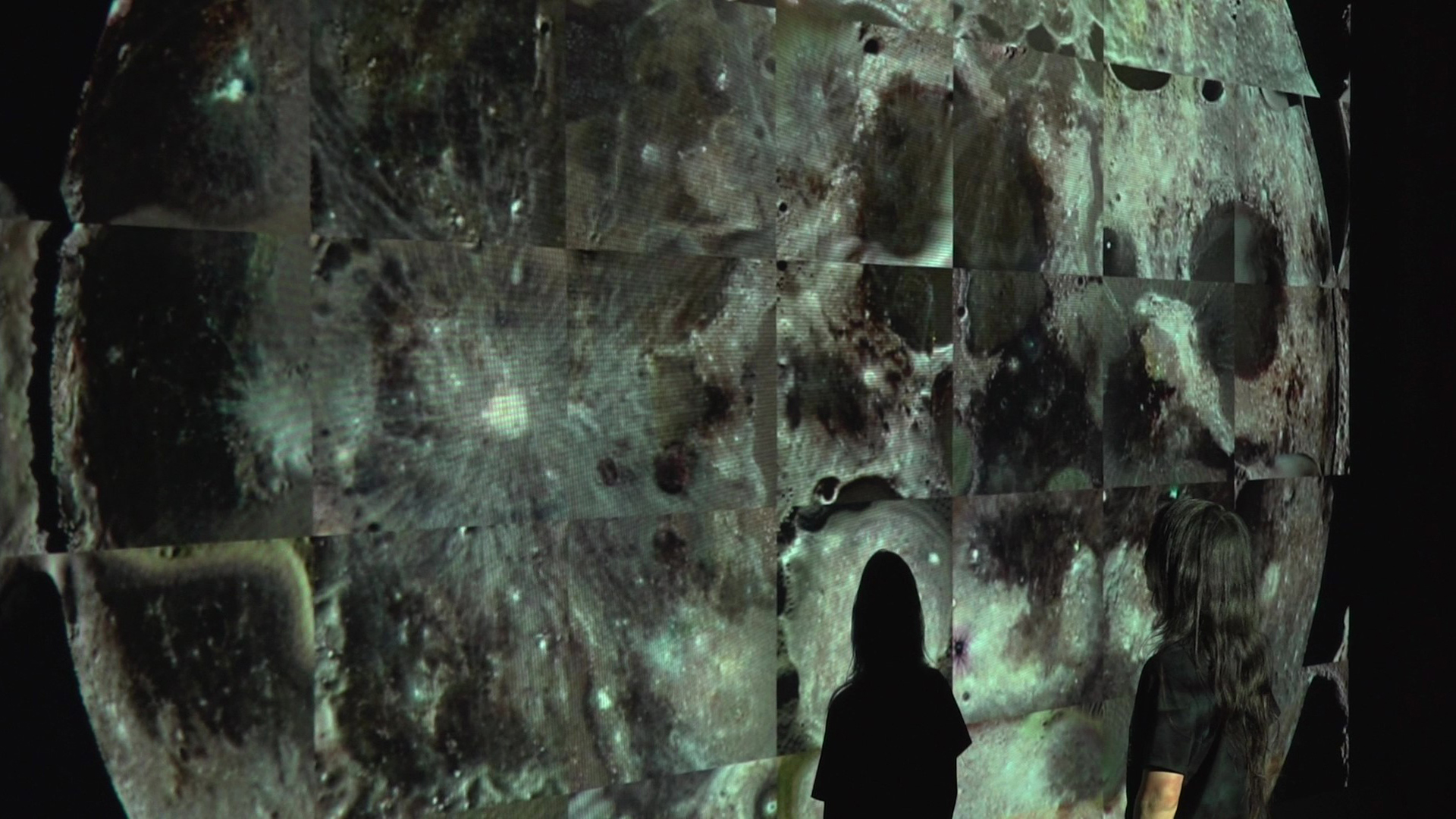
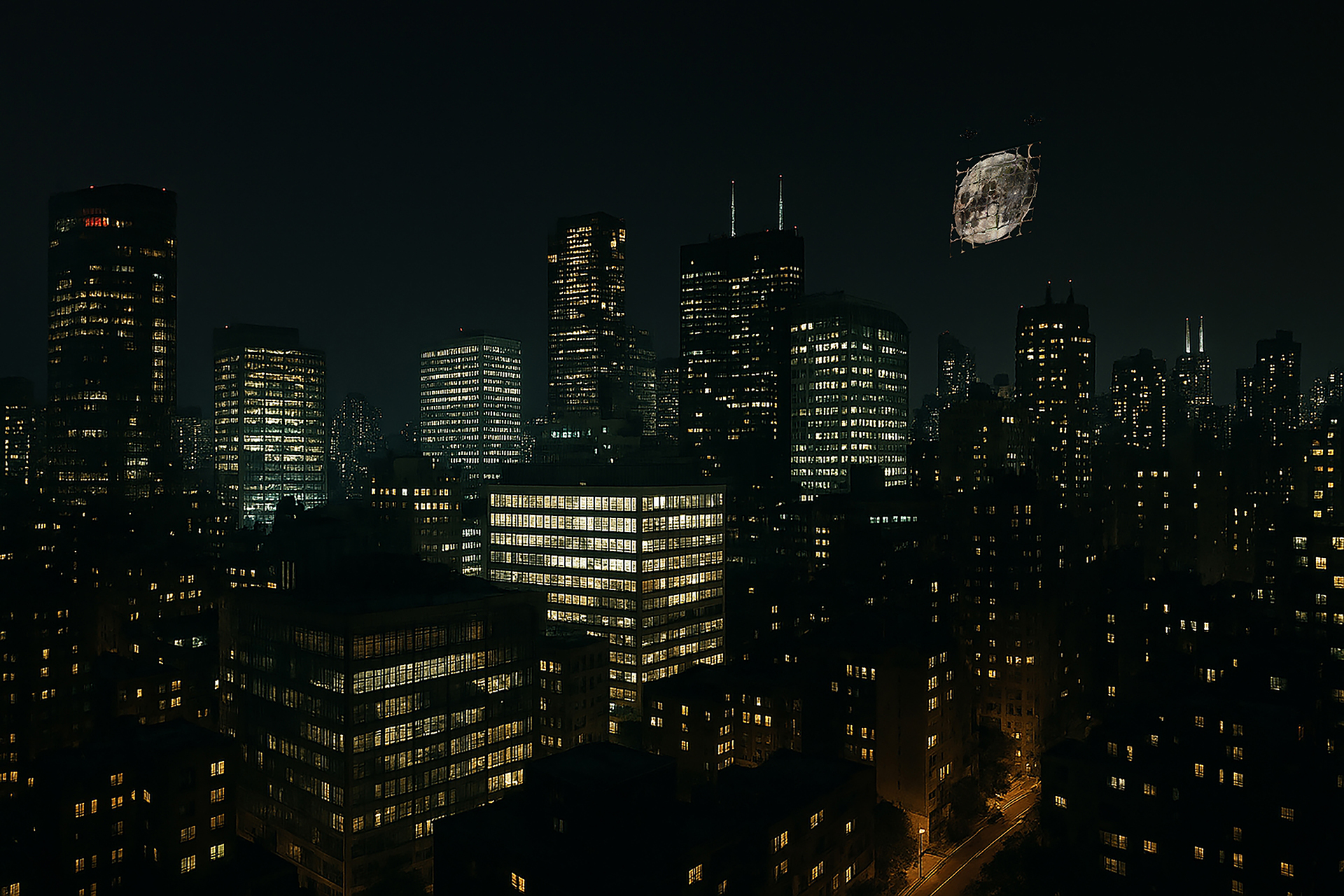
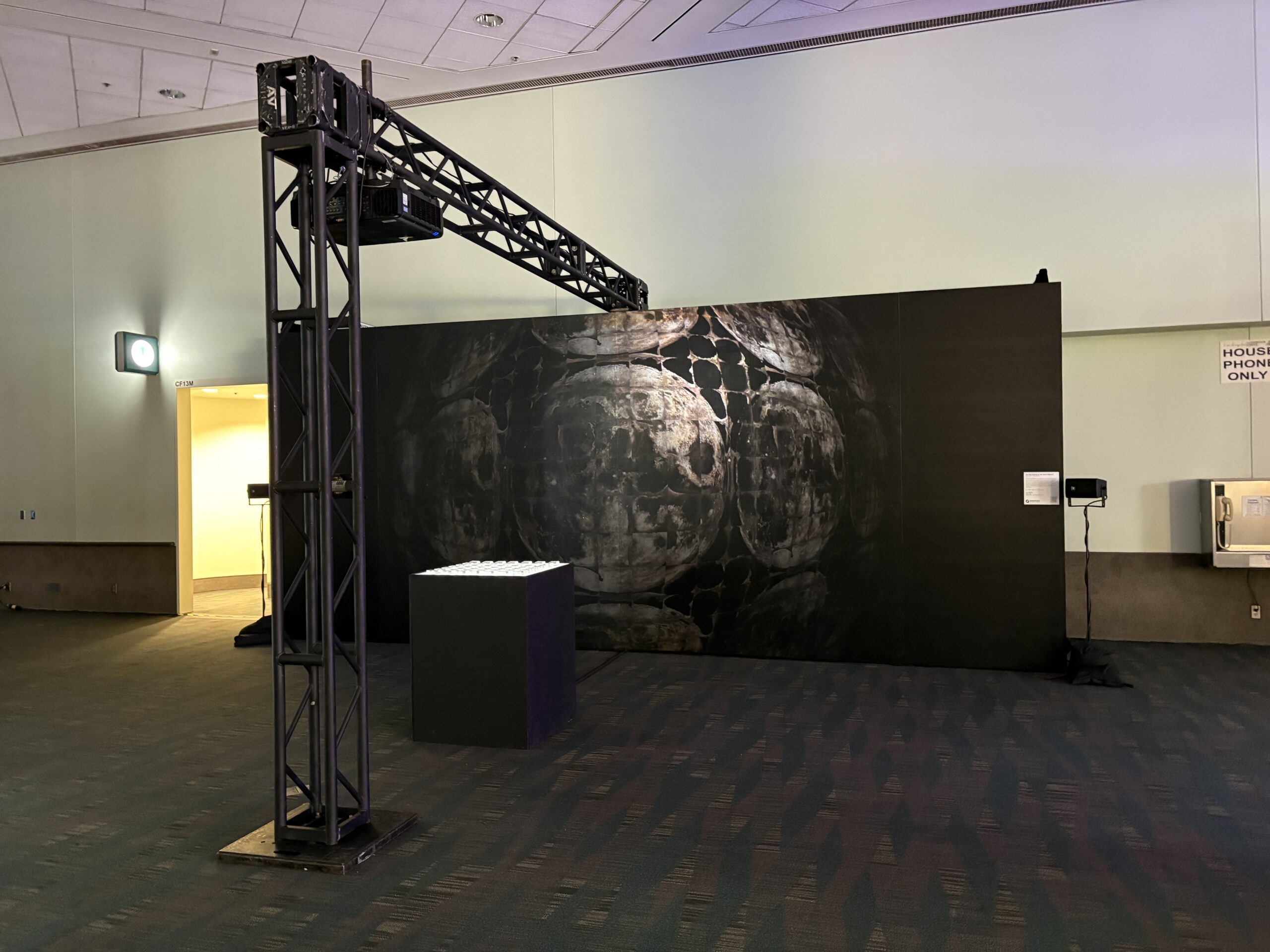
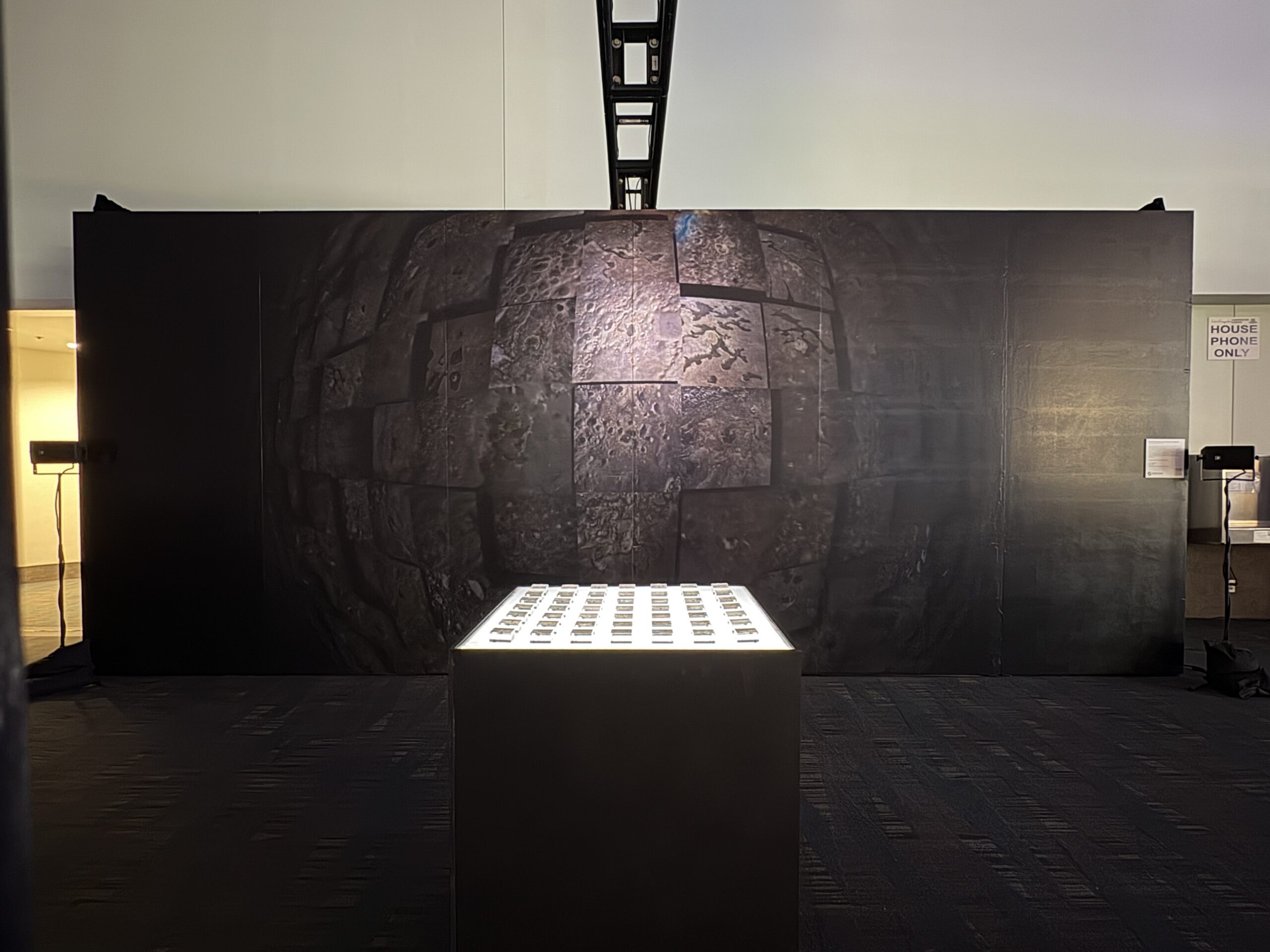
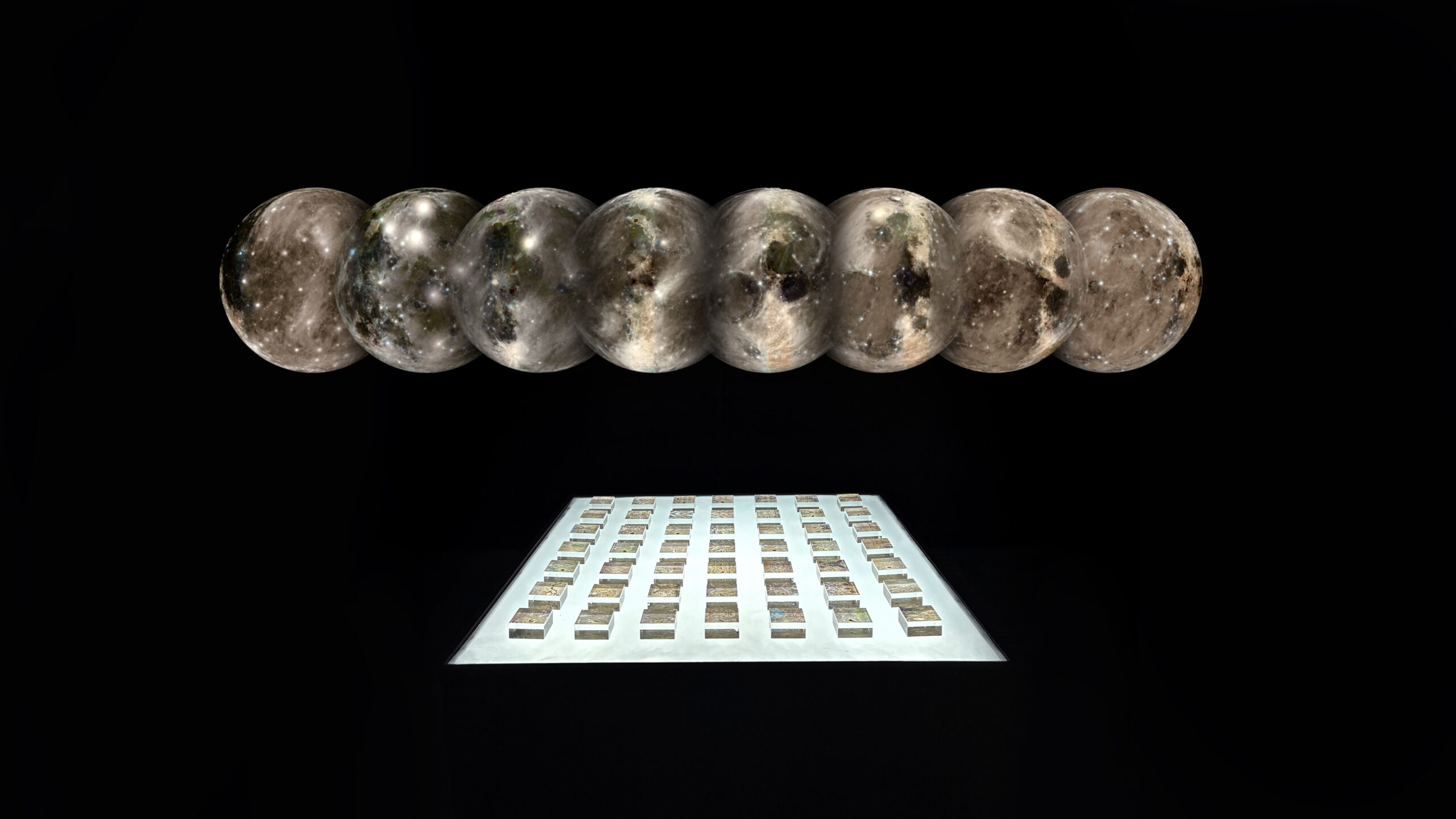
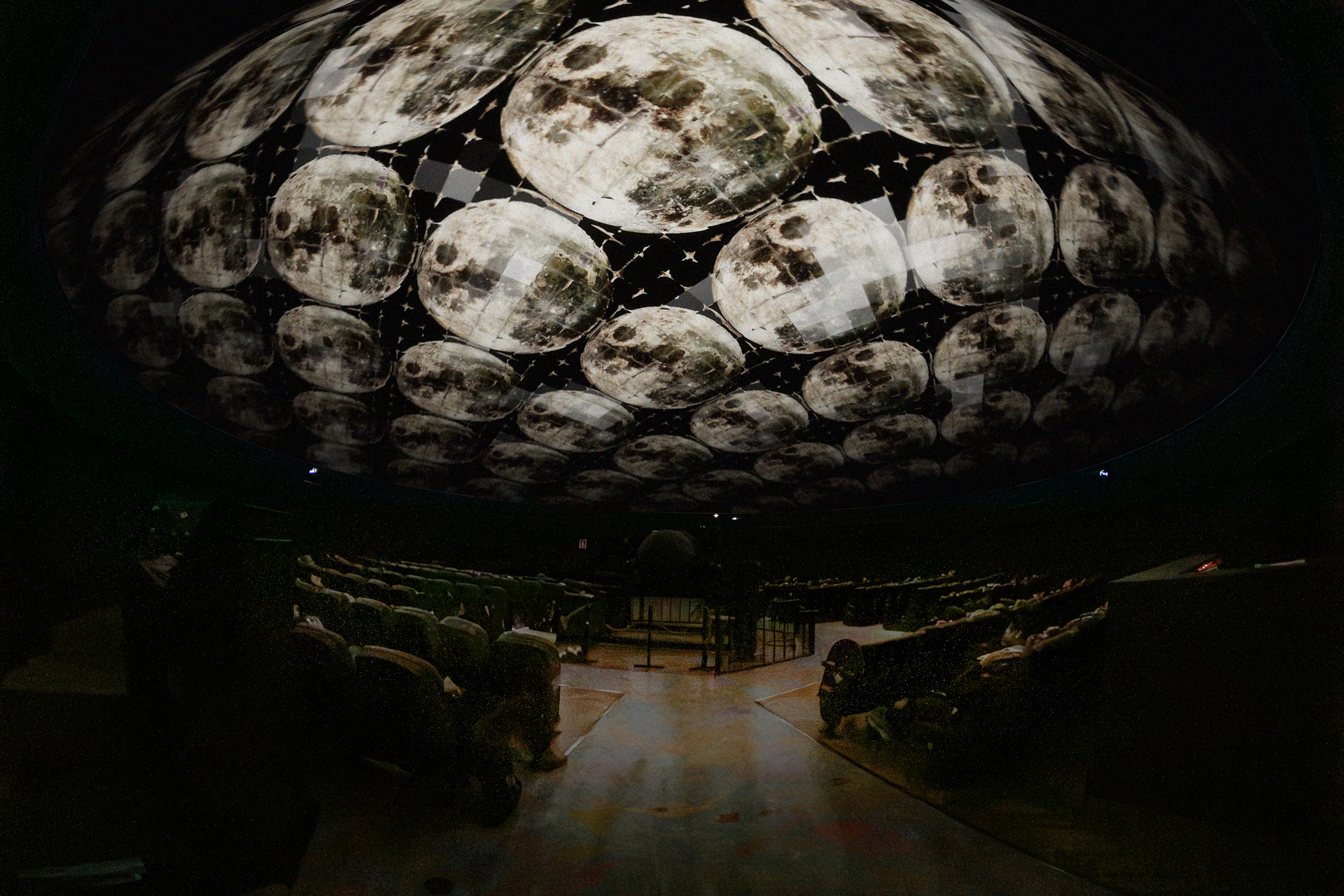
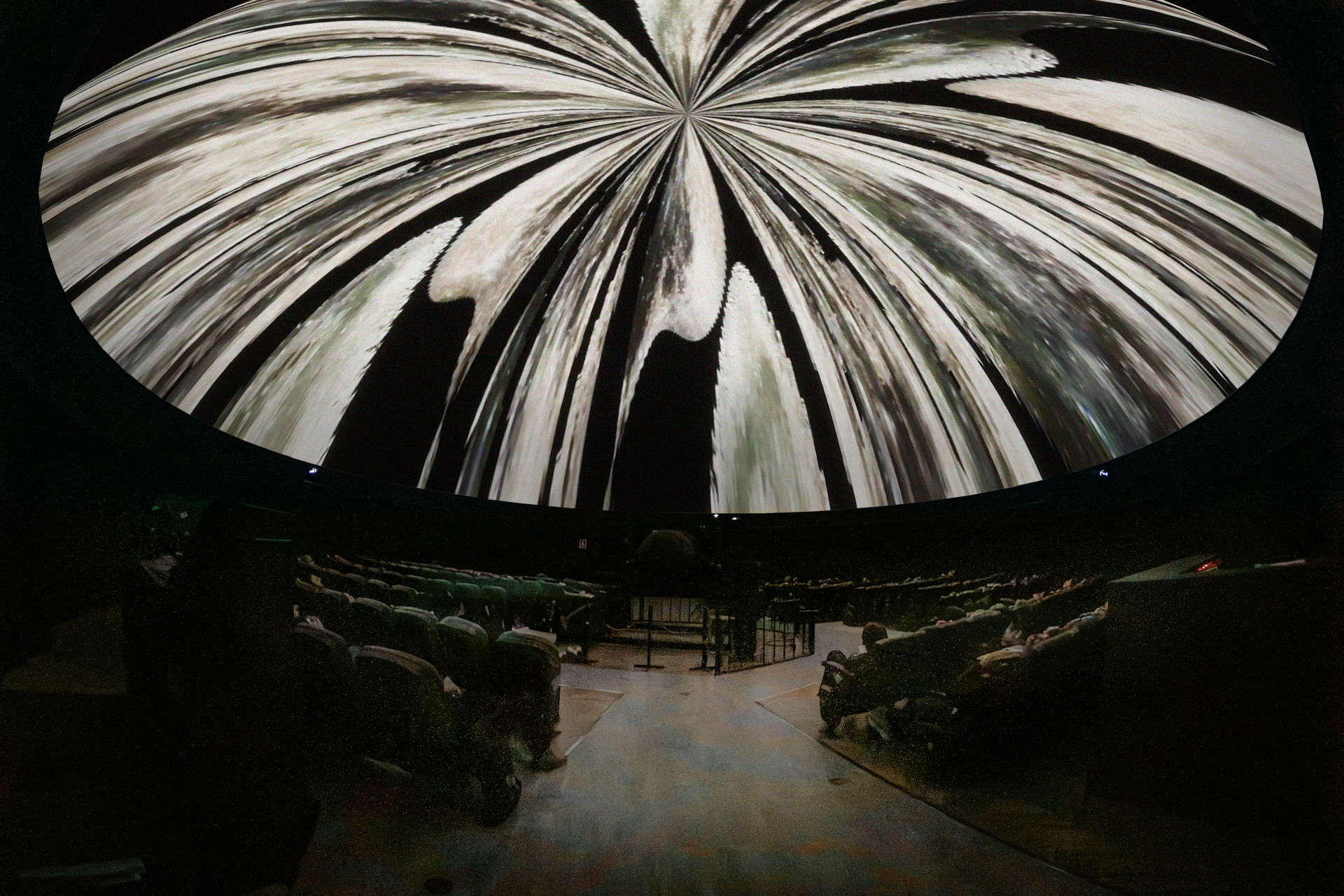
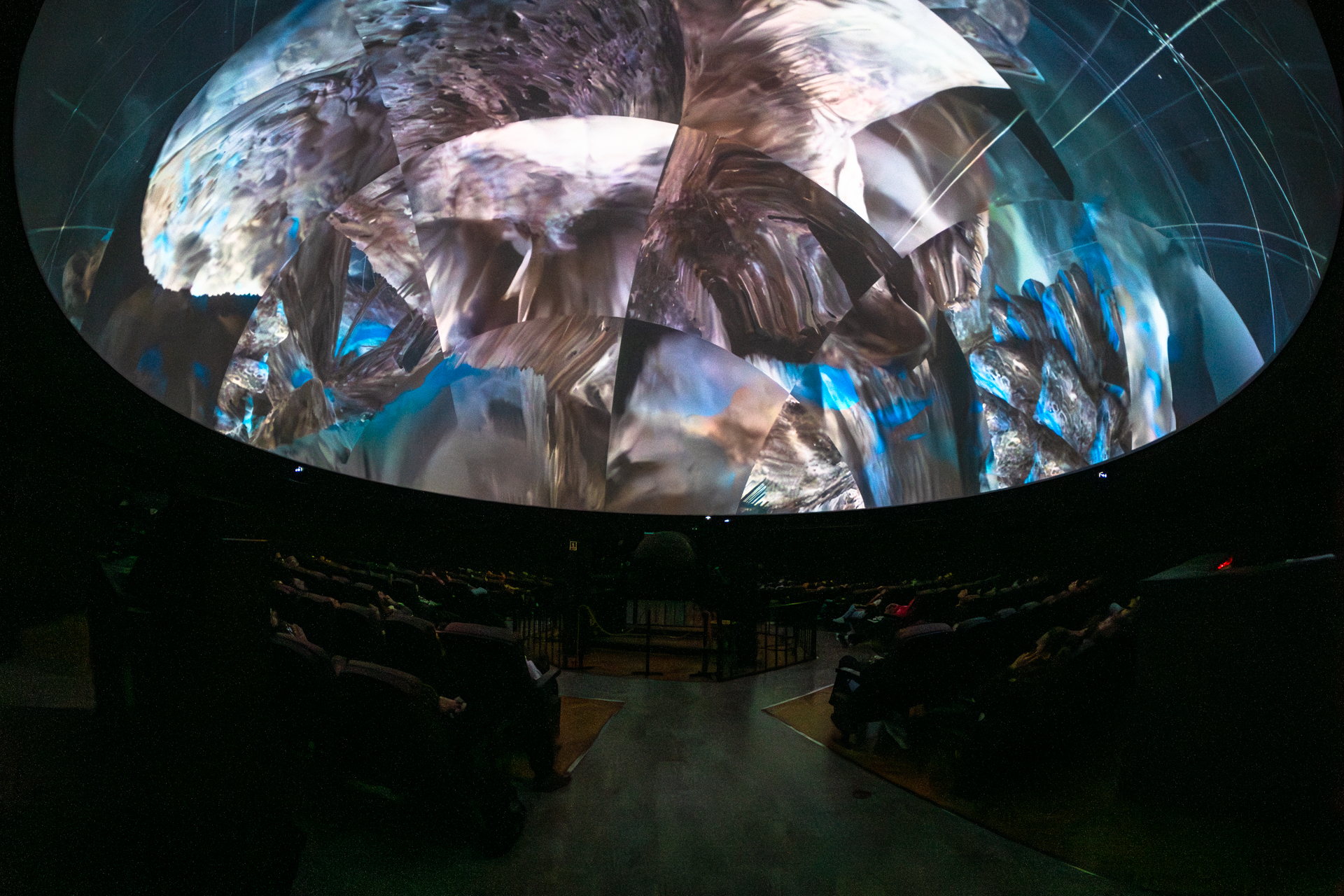
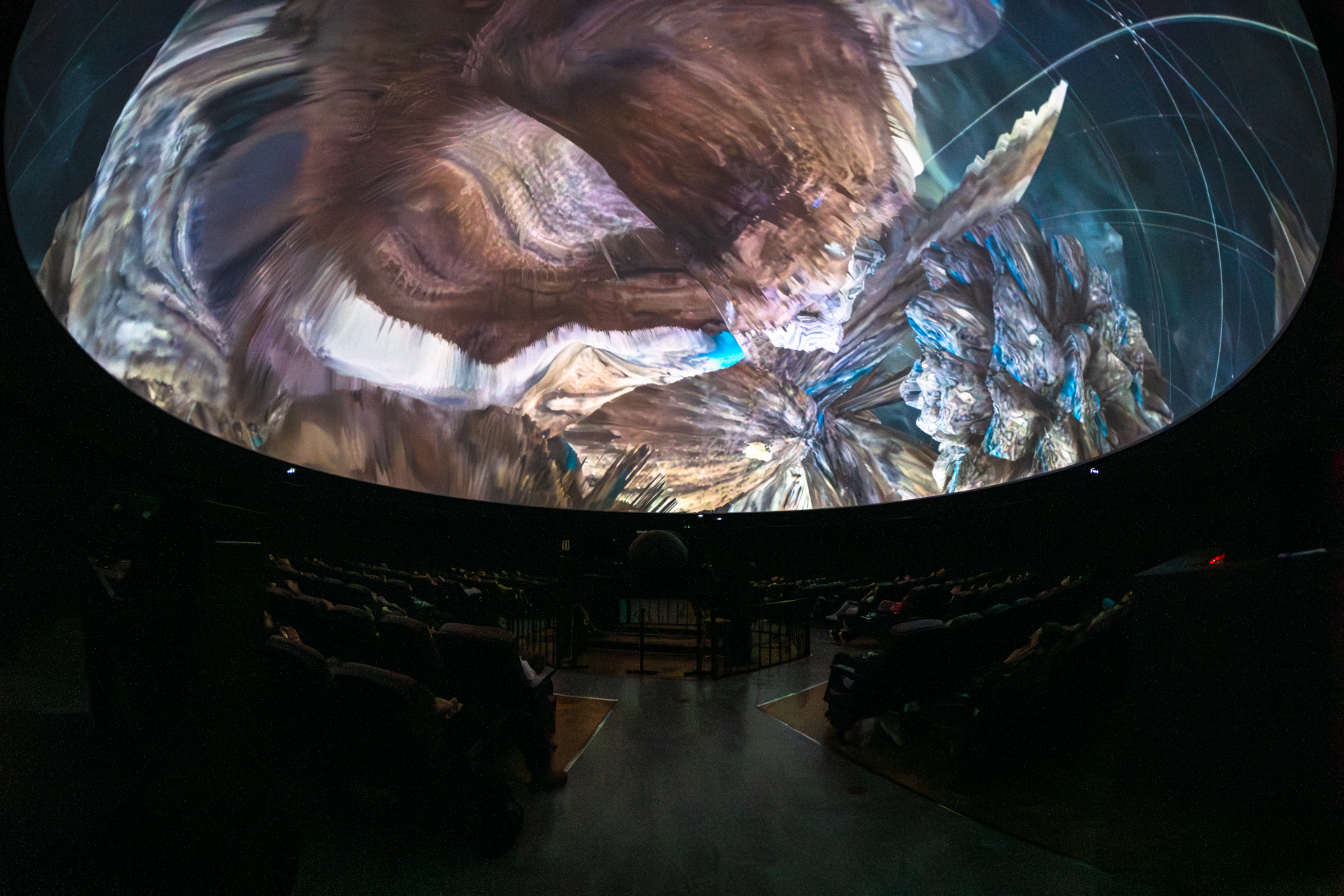
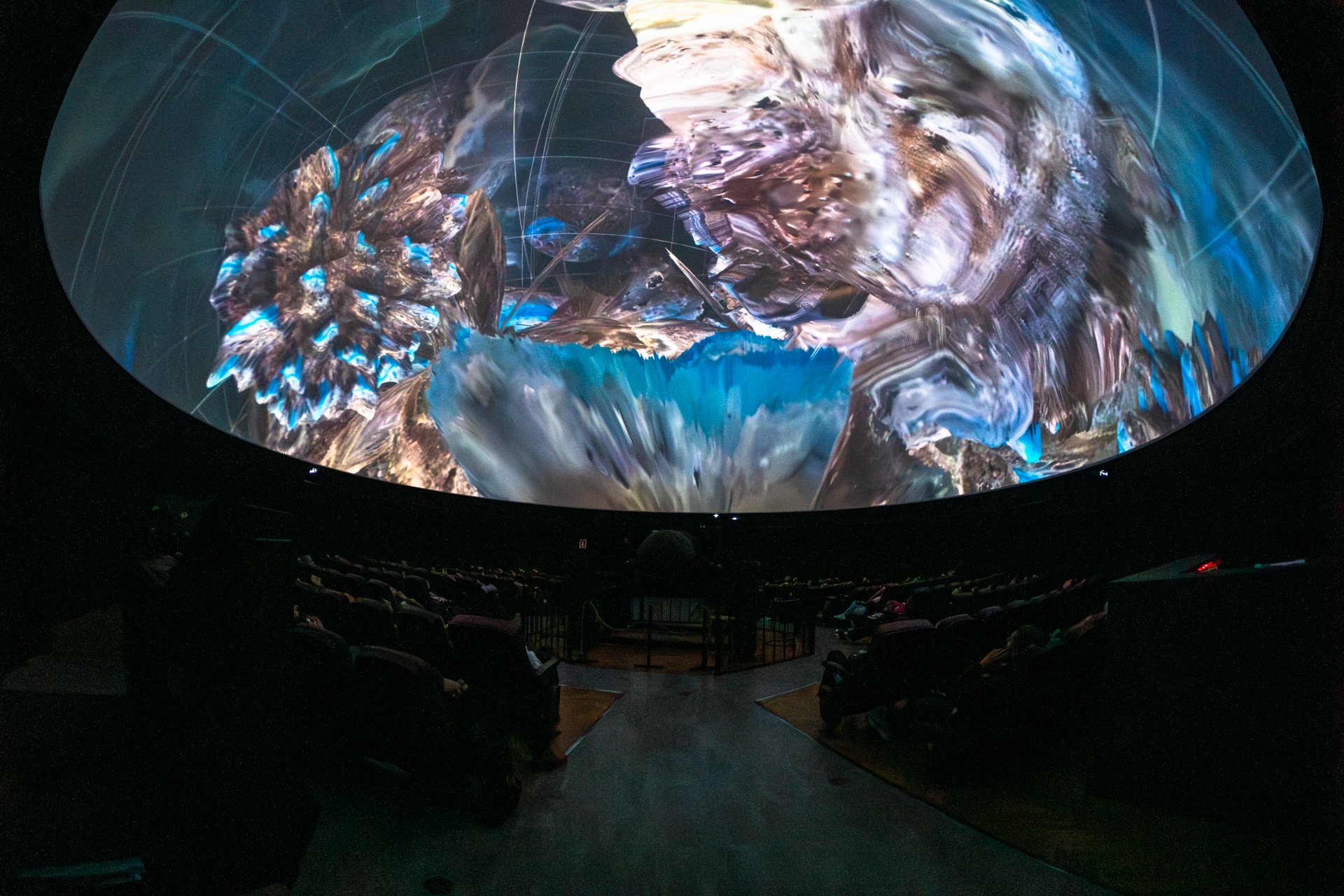
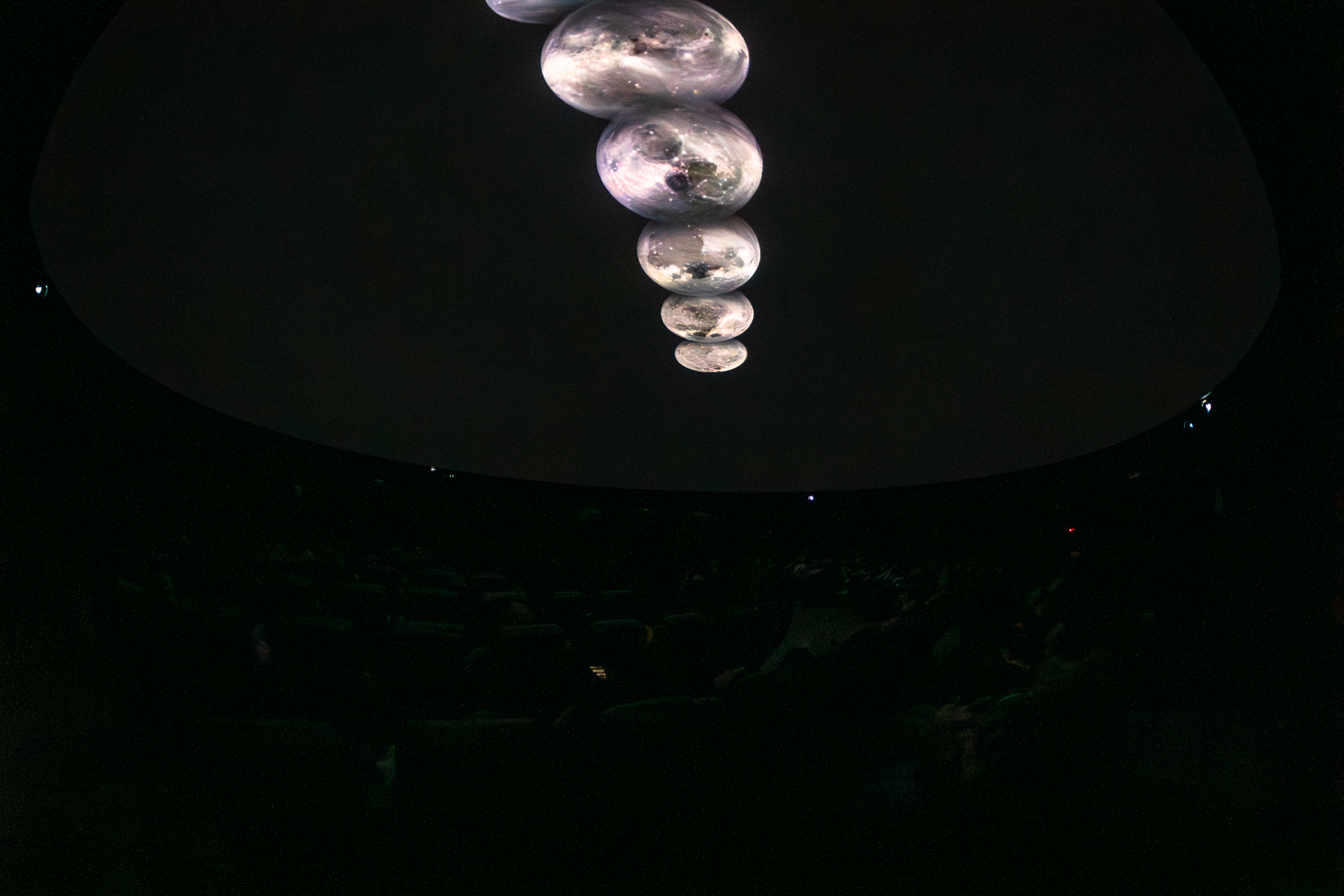
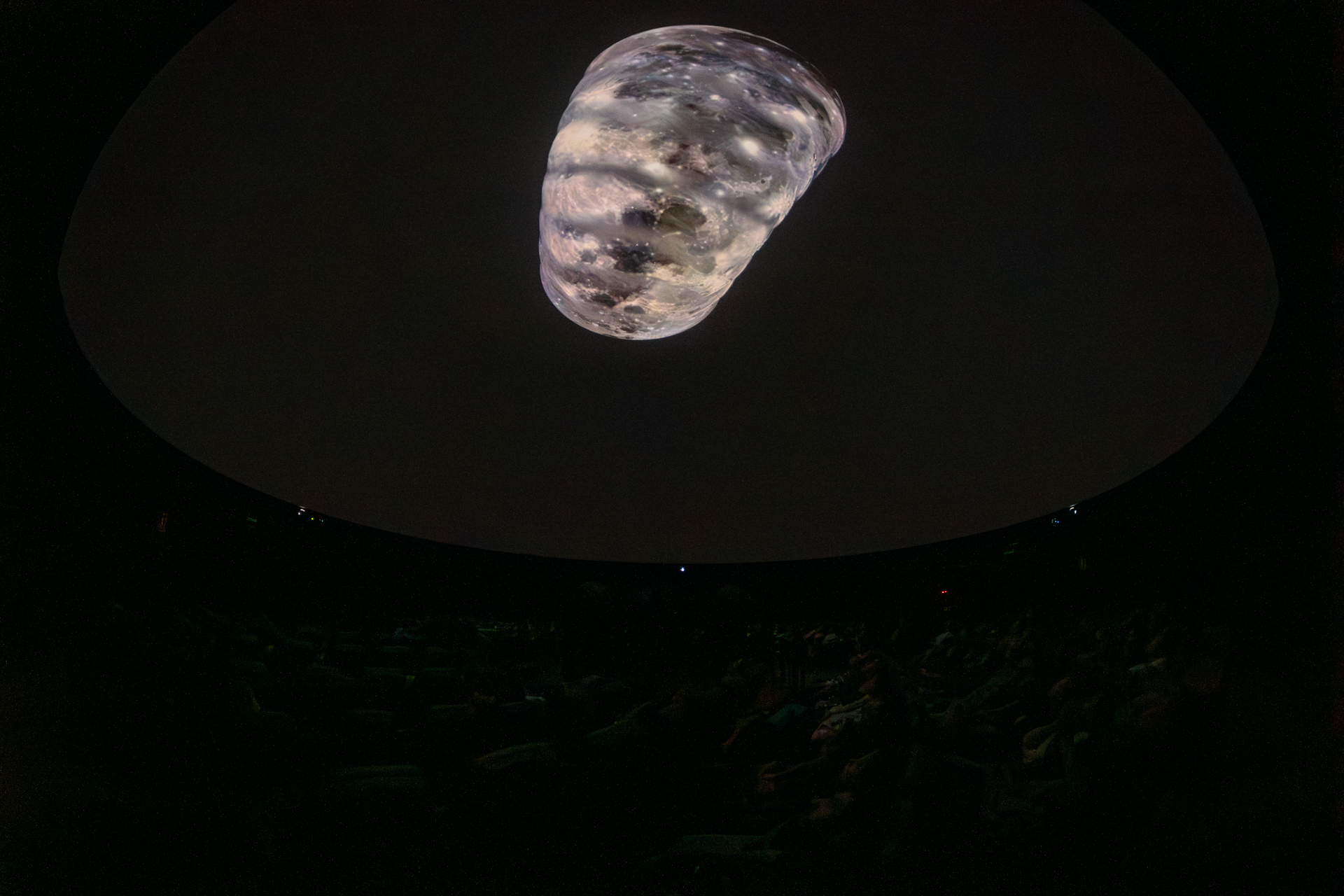
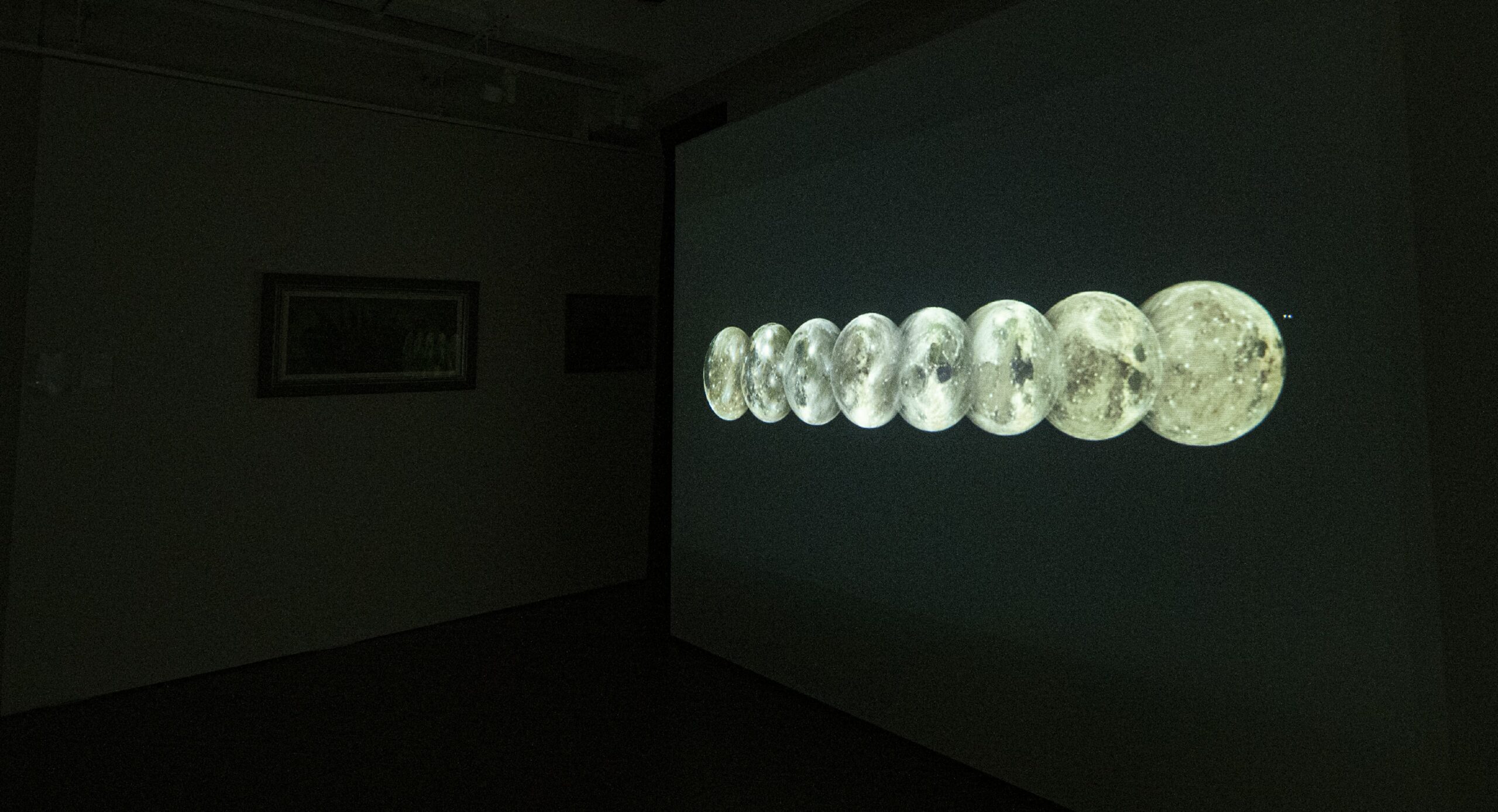
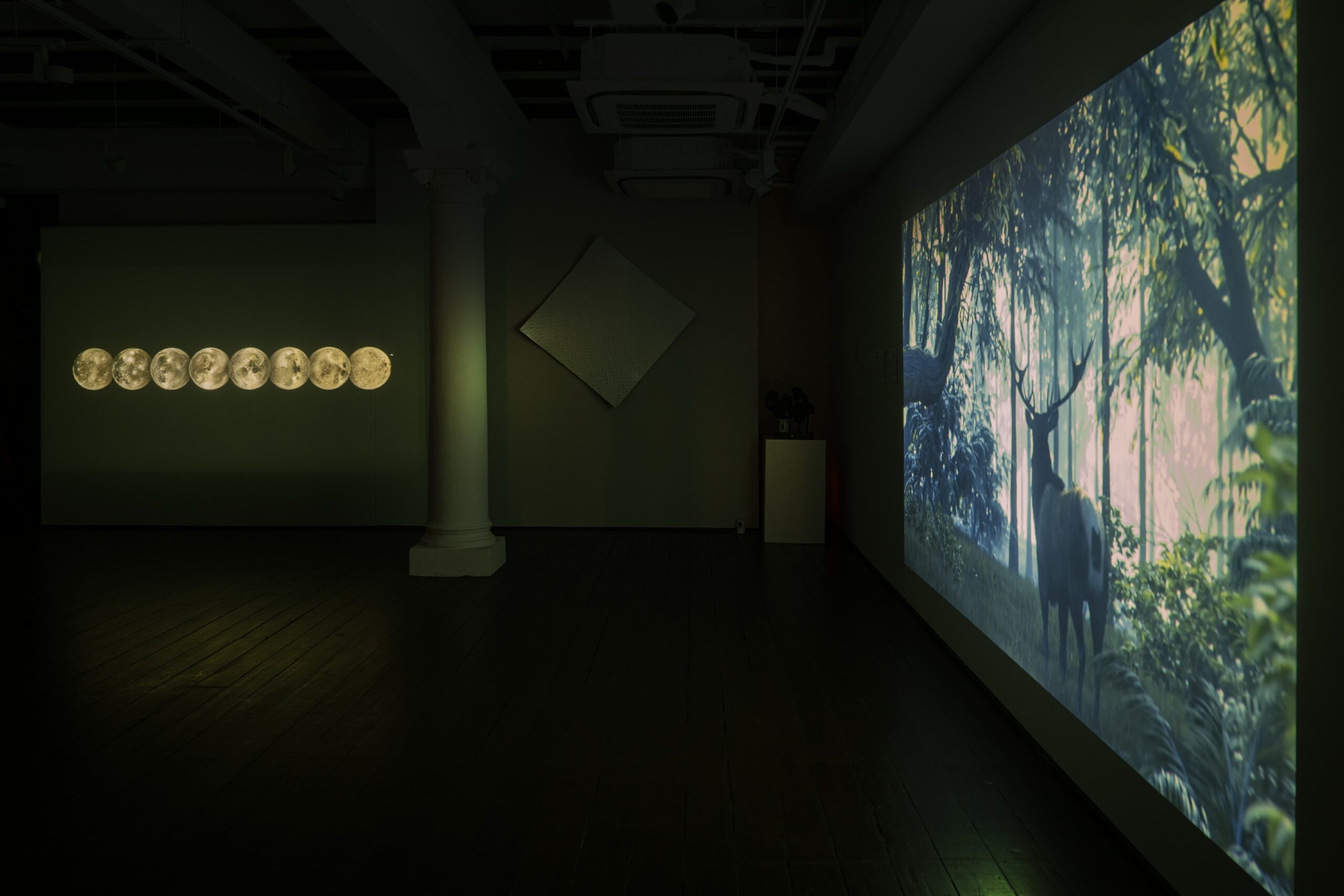
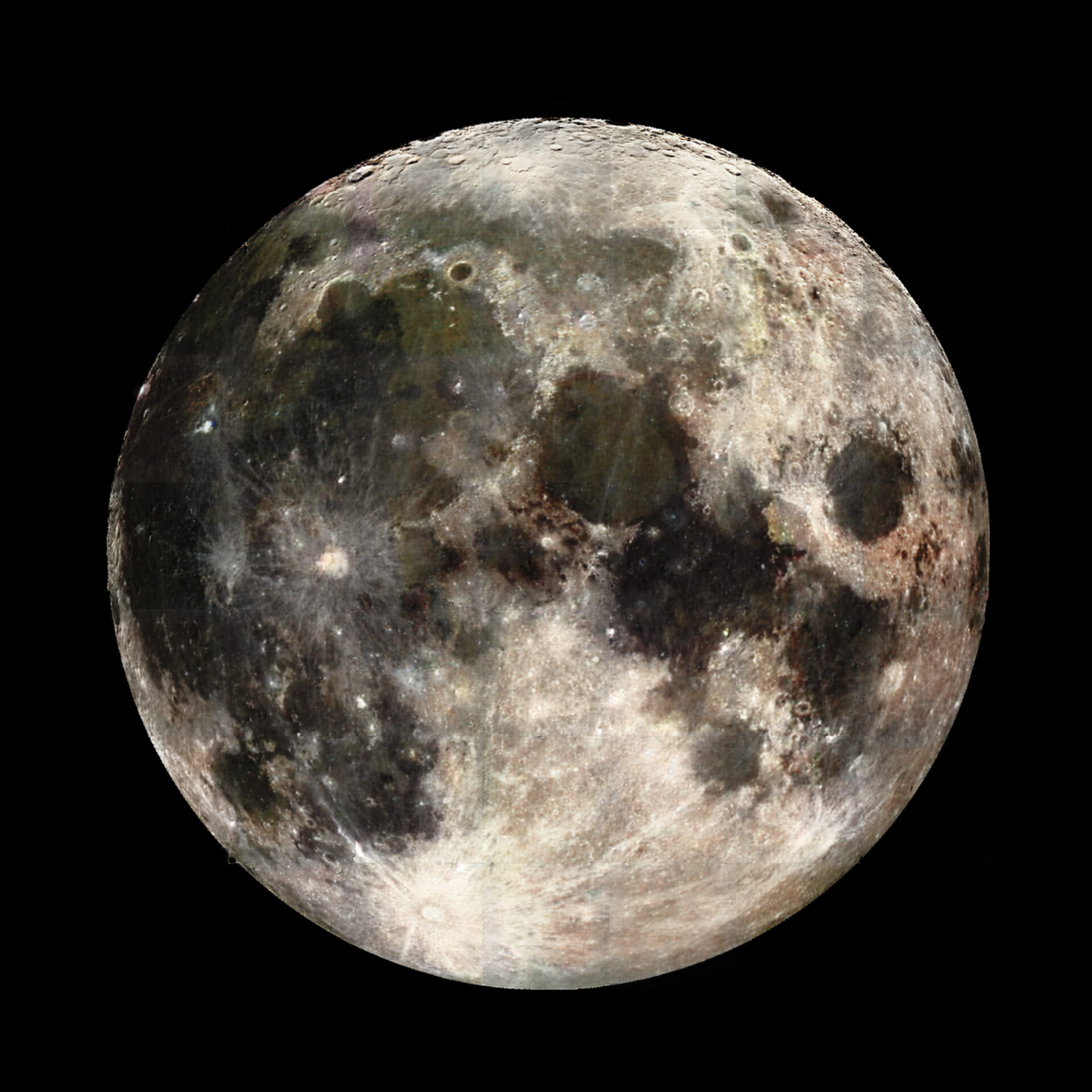
This artwork establishes a ritual of moon-gazing, presenting a massive image of the moon composed of multiple stitched-together fragments. As the camera gradually zooms out, the spaces beyond each fragment are slowly revealed—not as part of the same origin, but as different imaginary moons. Ascending through collage of moons, the world fractures into multiple concurrent timelines, scattering and reuniting in an endless cycle of divergence and convergence. “One thousand people, one thousand moons”—where the boundary between individual emotions and collective memory dissolves into a shared, shifting reflection.

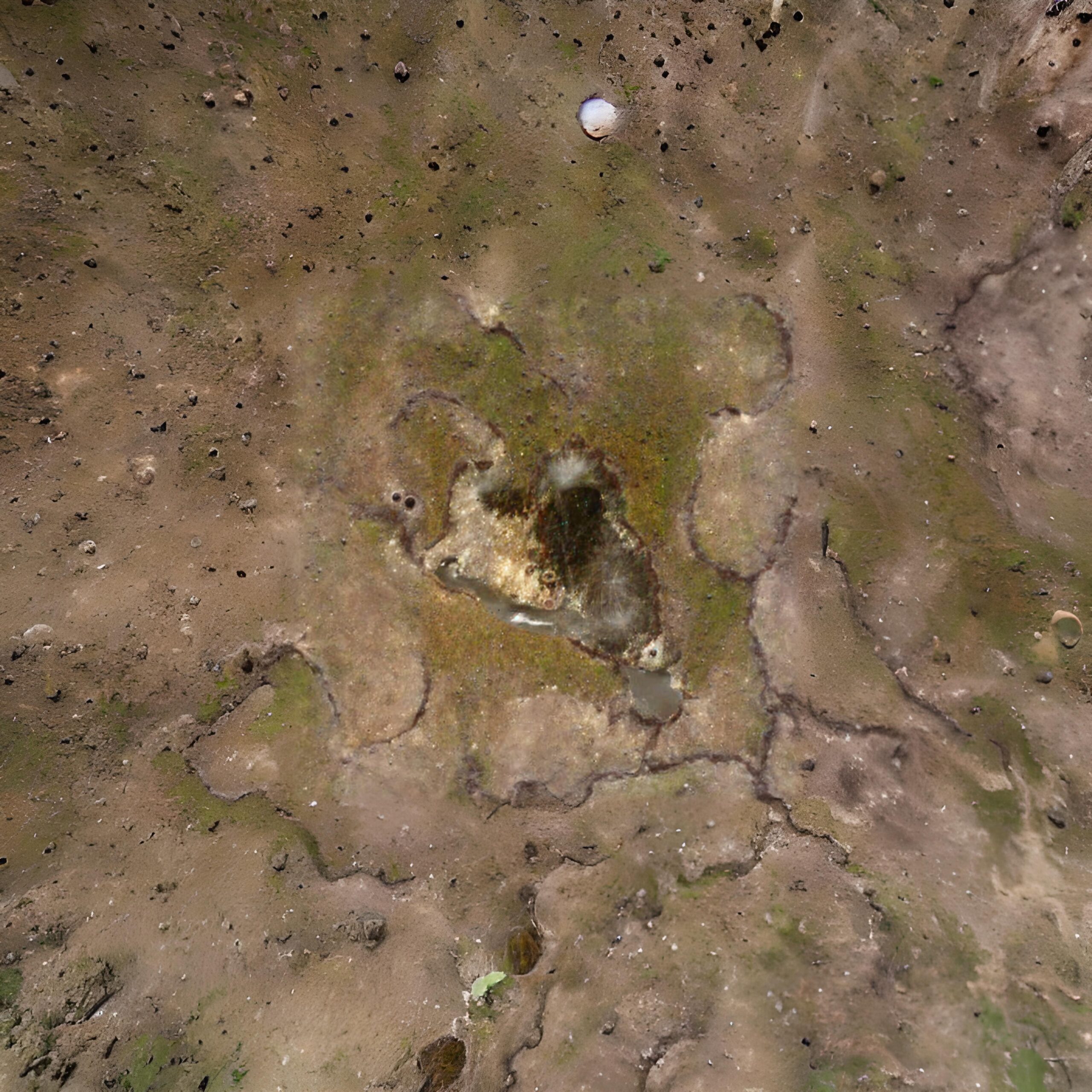
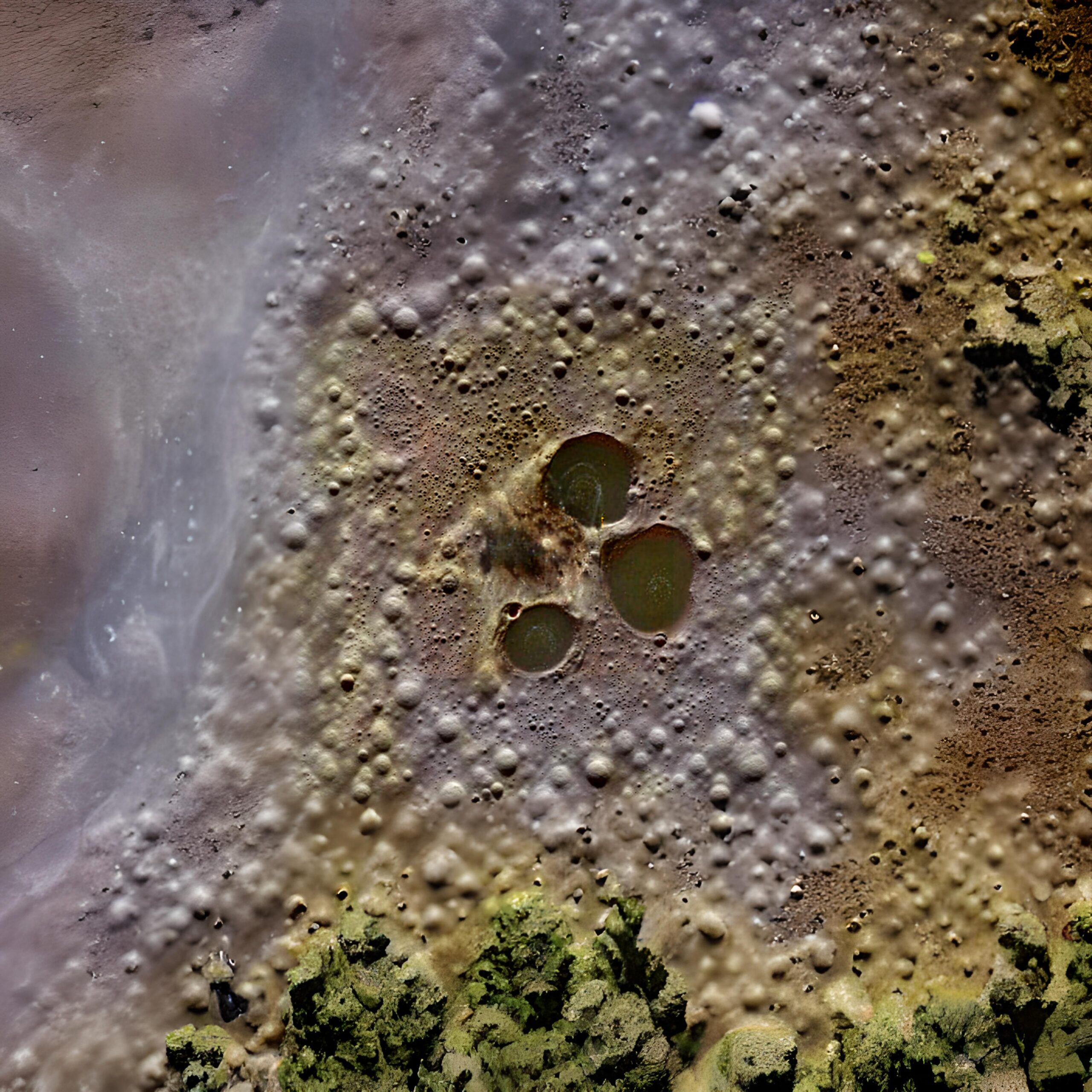
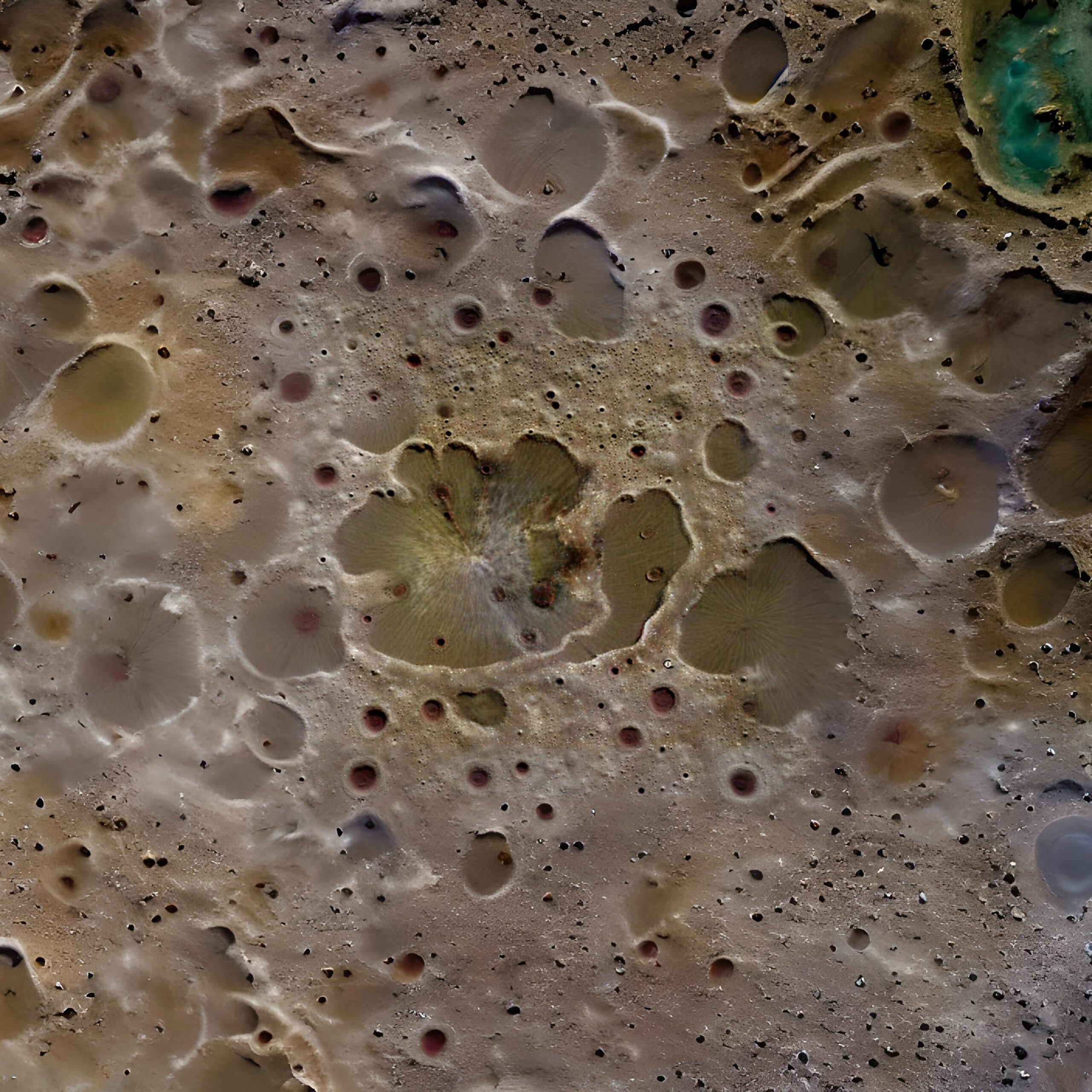
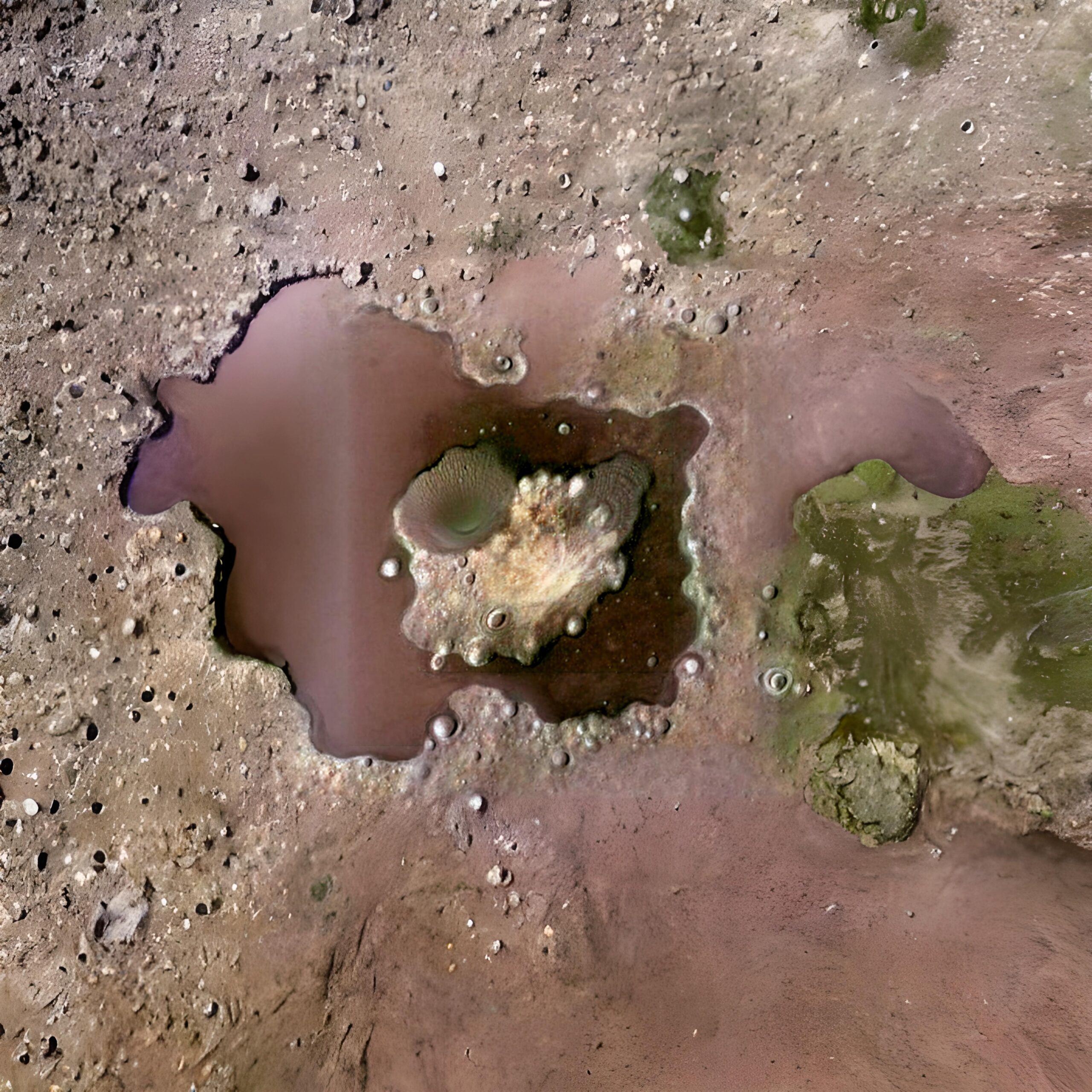
In astronomical photography, the “Lunar Mosaic” is often used to synthesize high-definition images of the moon by collaging captured parts, where images are shot at different space and time. This work is an artistic experiment based on the moon image by NASA’s Galileo spacecraft in 1992, arguing the inconssistency behind the moon image and our collective memory as a humanistic entity. However, the artwork employs generative AI to expand the known boundaries of each fragments, imagining each one coming from different planets and revealing the unseen portions. The process reverse the cause and the result of “lunar mosaic”. By showcasing the parallel existences and possibilities of the moon, it constructs a surreal picture, re-imagining the moon as a discontinued collection of moons.

Moon? Moons?

This project belongs to the artist’s new series of art experiments – “Concurrentix” – a series of art experiments that explores the multiplicity of possibilities within objects and experiences by breaking, reassembling and presenting their varied states. It combines multiple sensory inputs—visual, auditory, and tactile—to create layered and concurrent narratives that challenge perception and redefine causality, revoking questions upon human cognition, collective memories and the entity of humanity. The moon, in this context, becomes a metaphor for the ways in which human experience—though seemingly unified—is in fact fragmented, disjointed, and subjective.

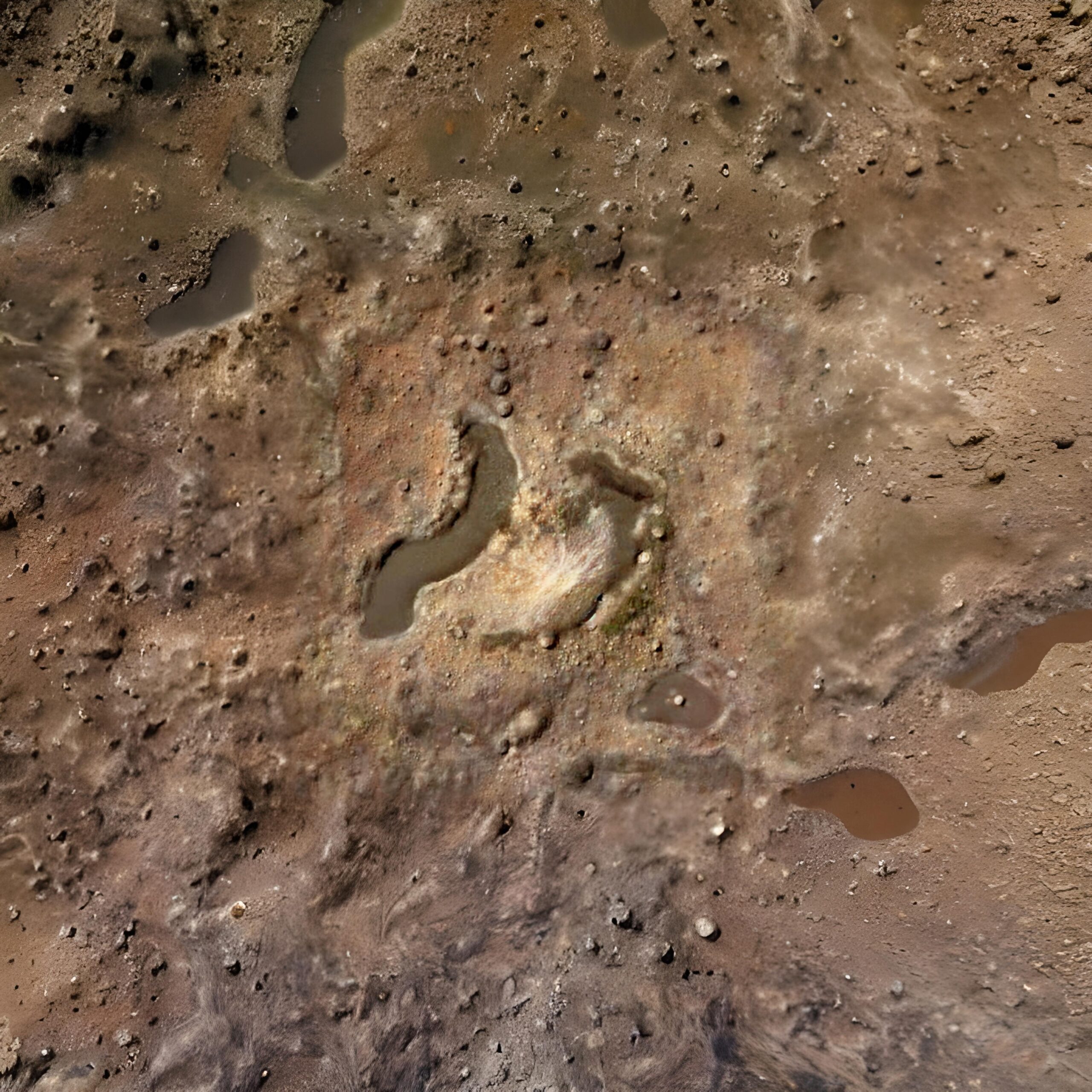
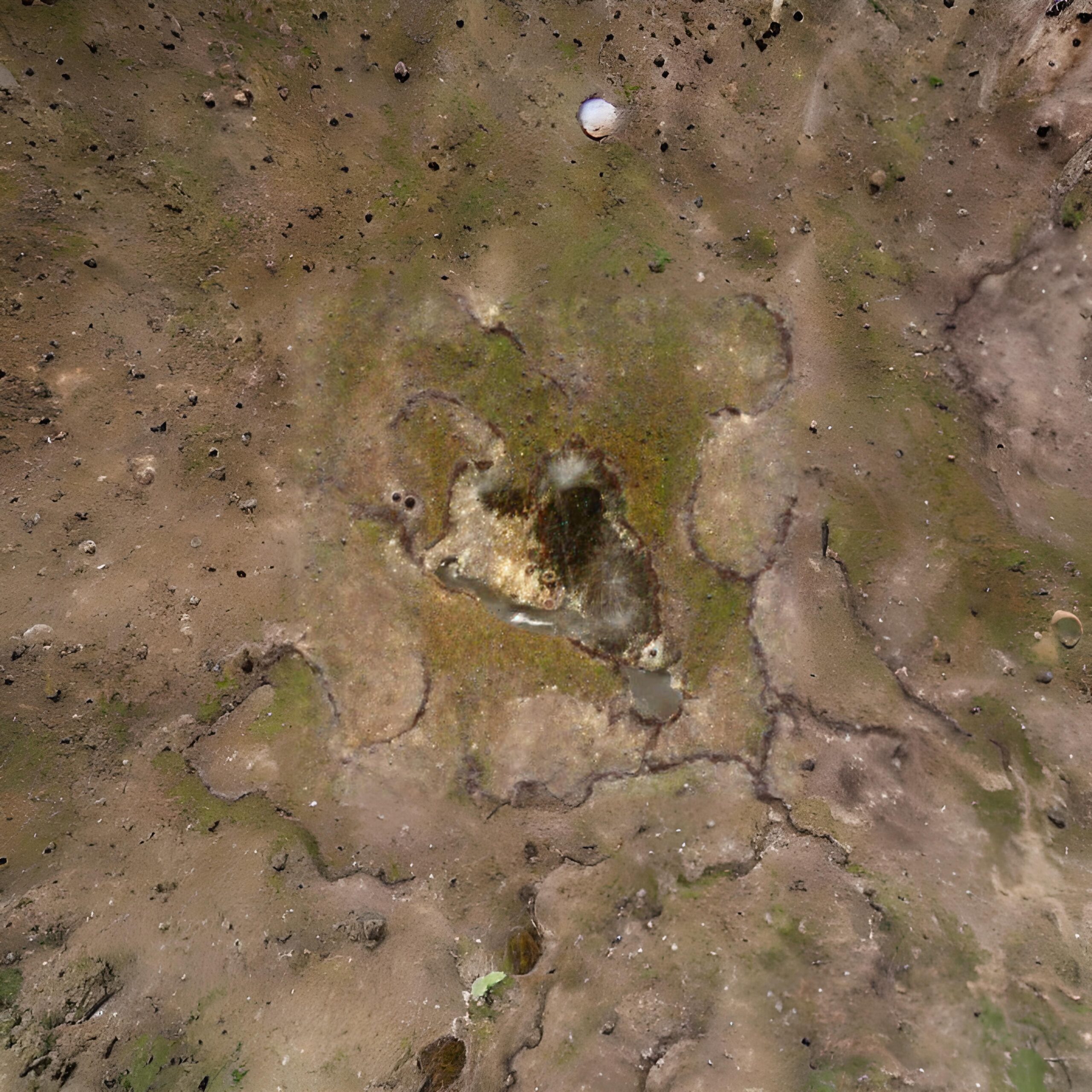
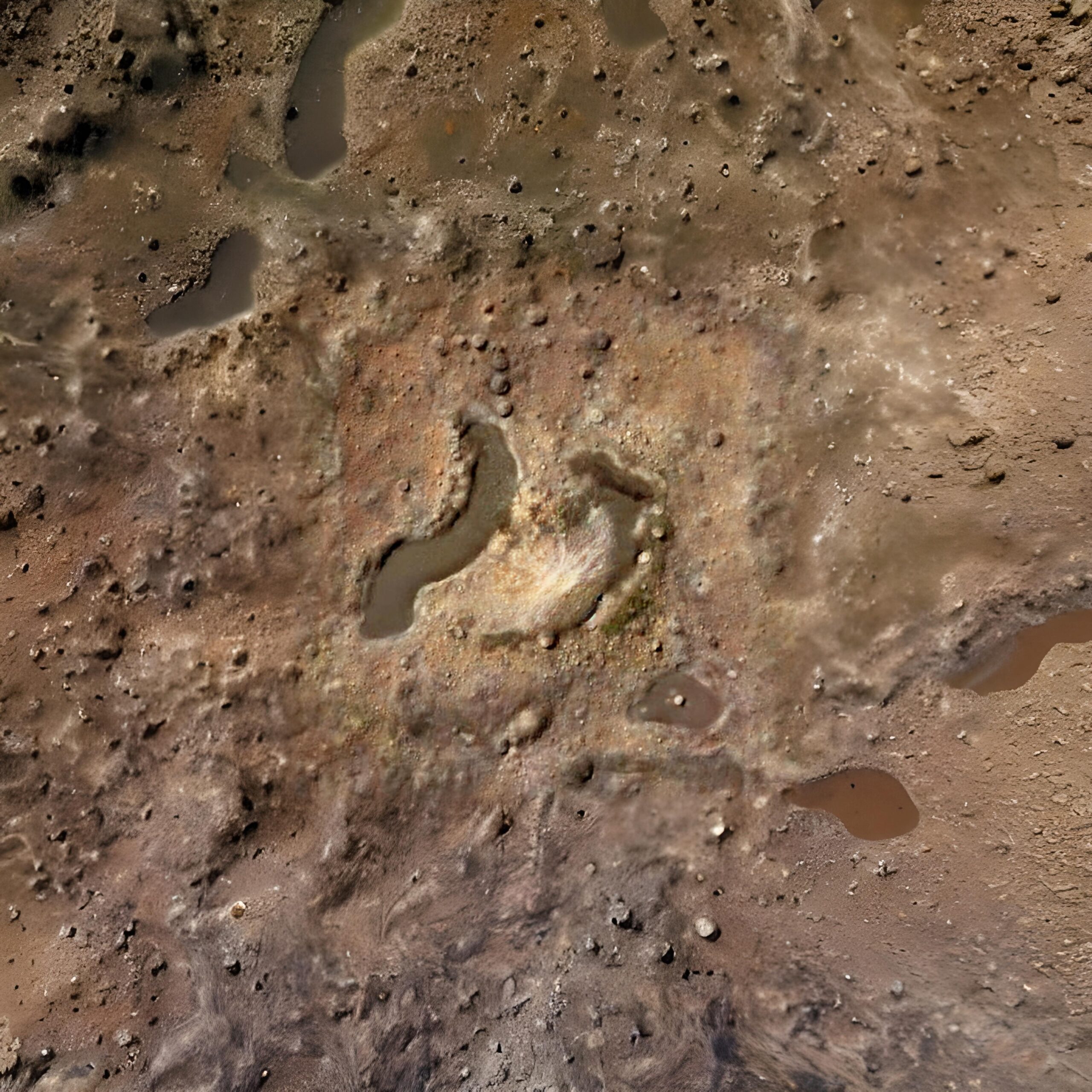
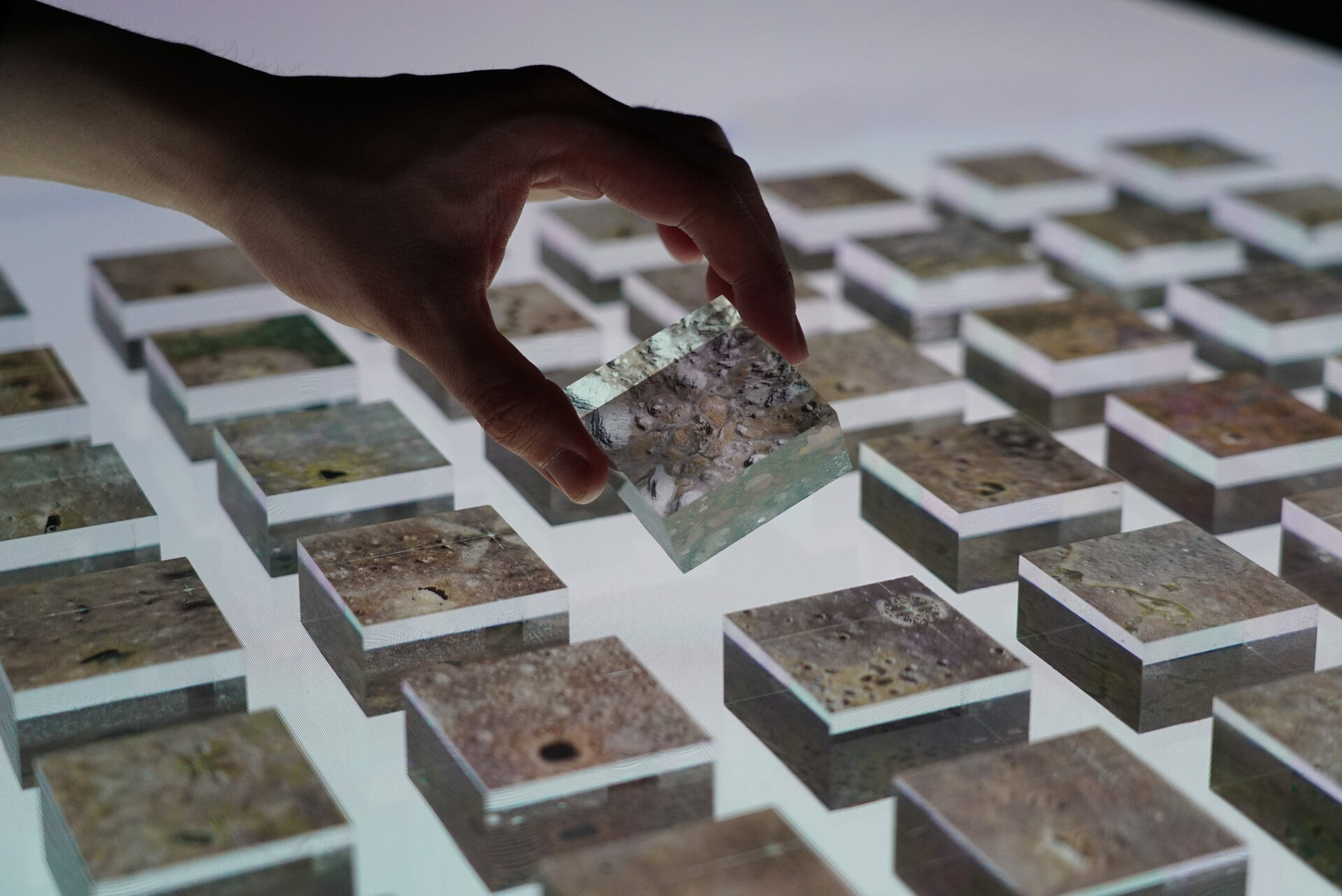
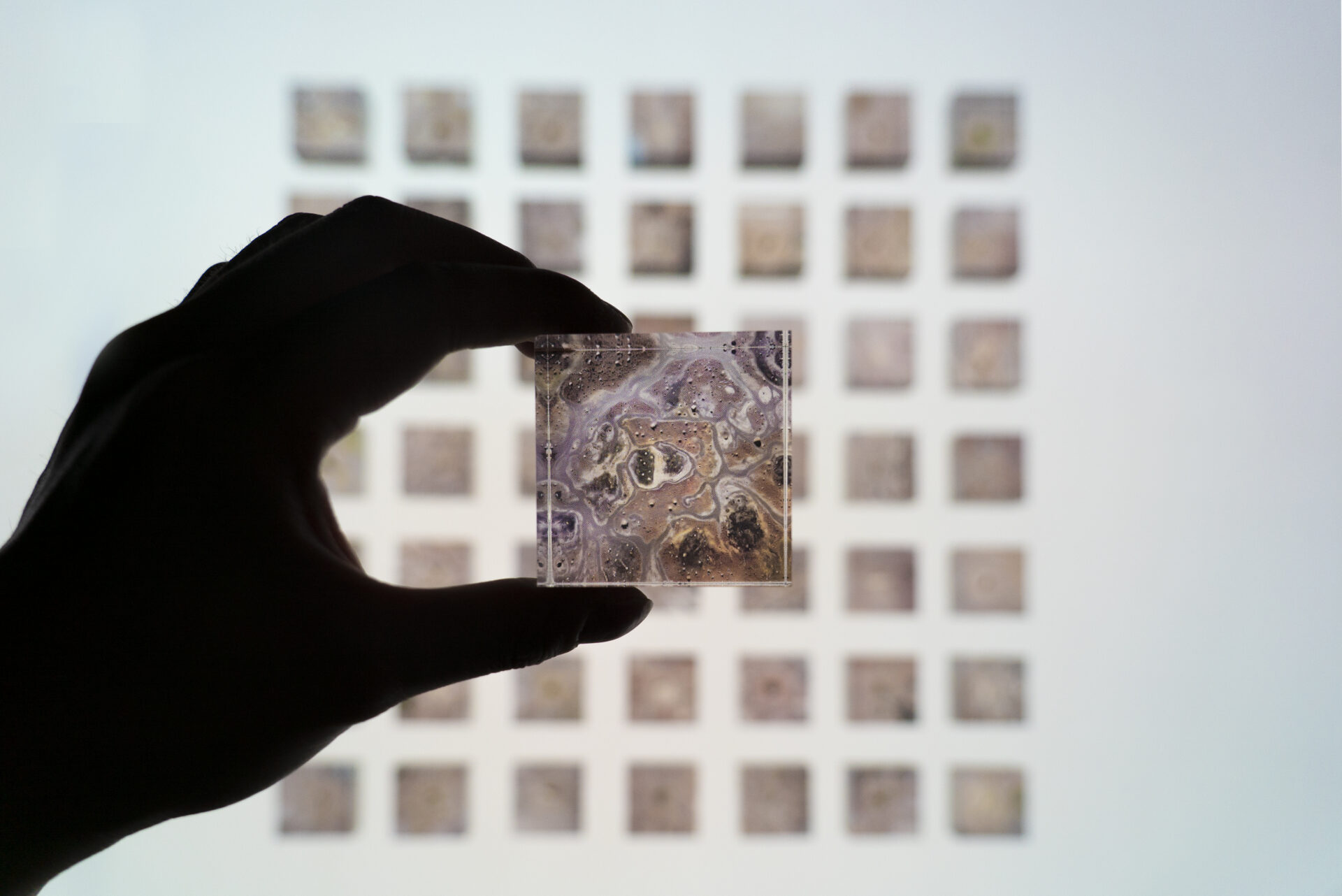
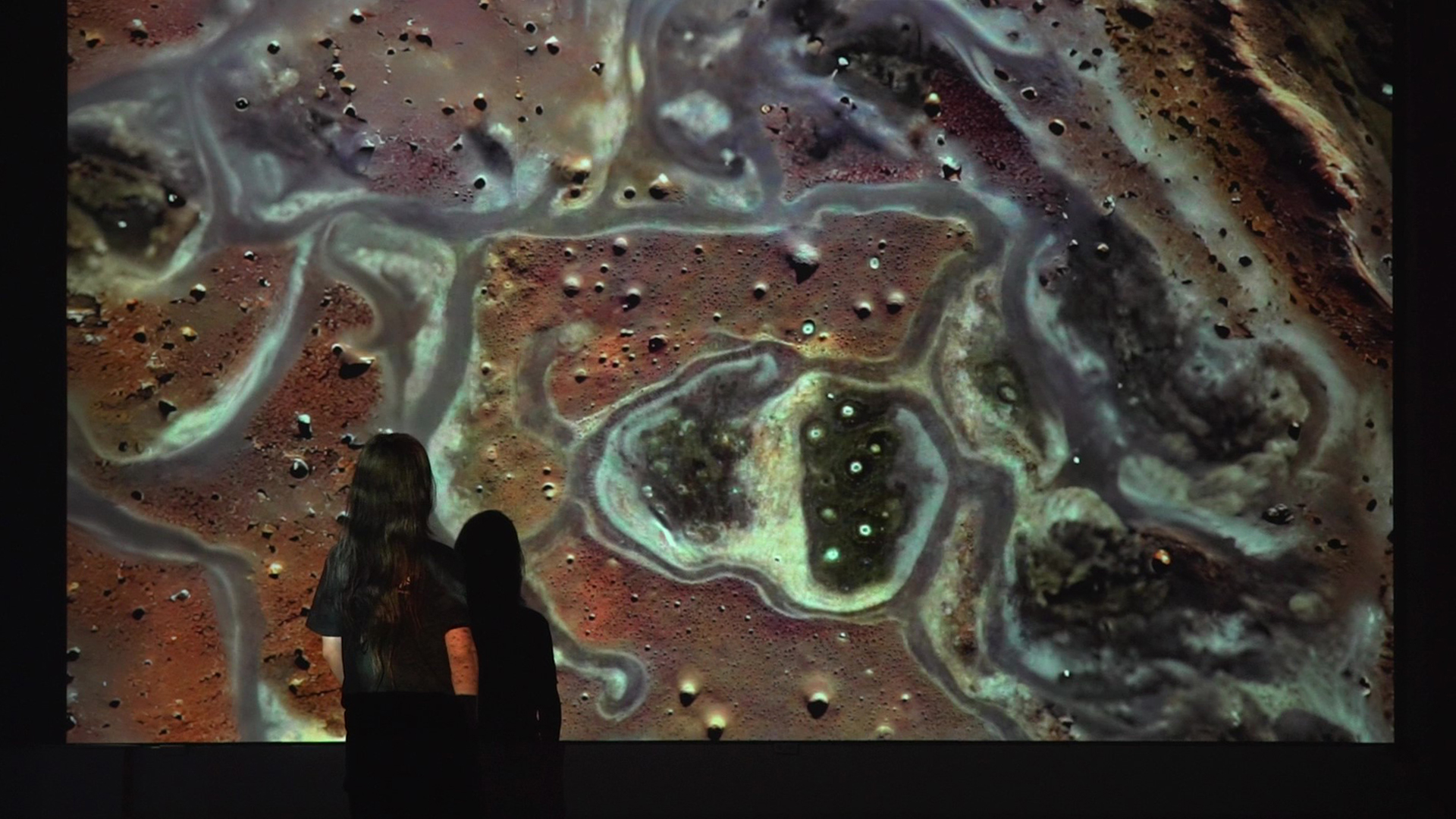
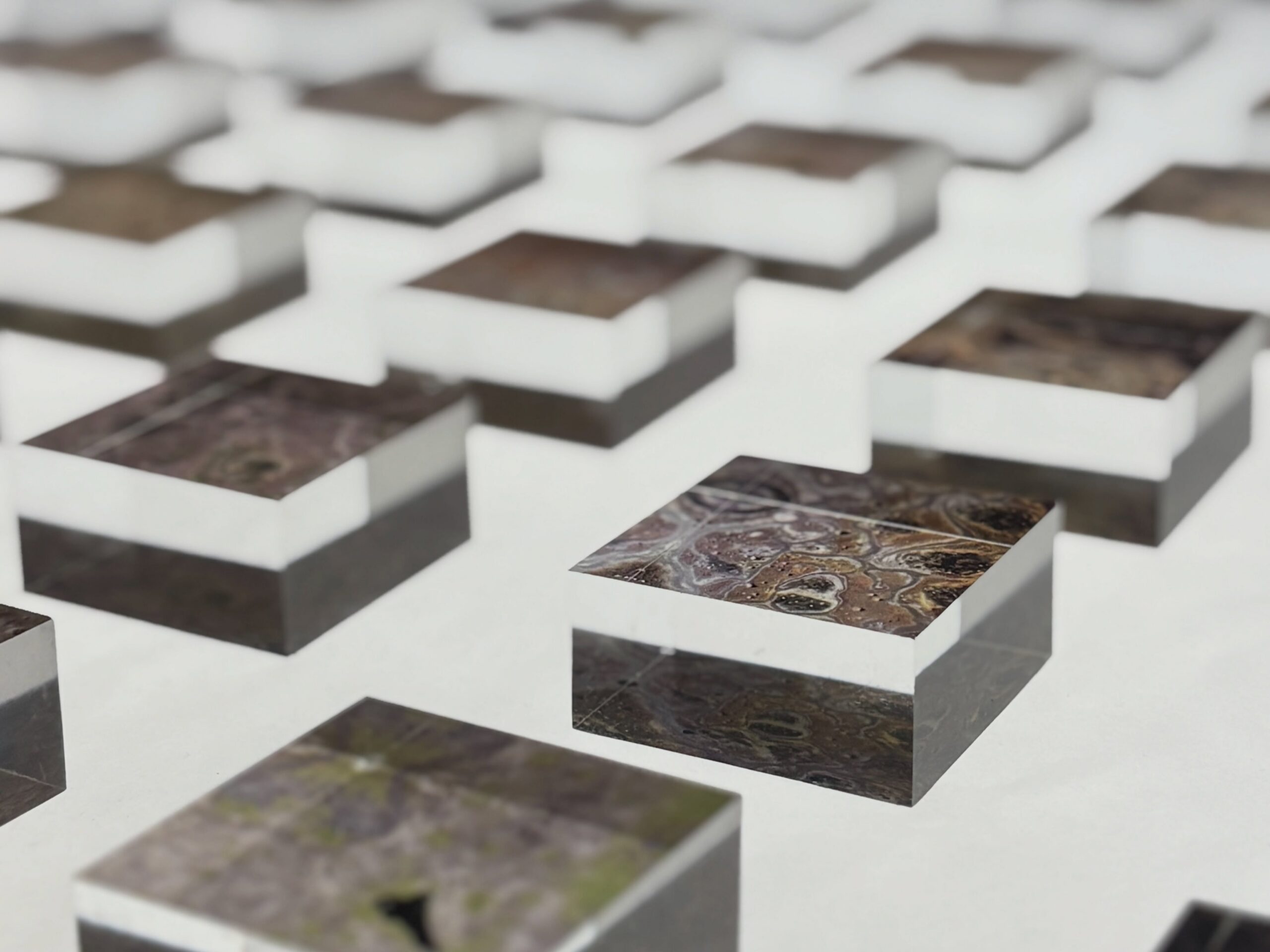
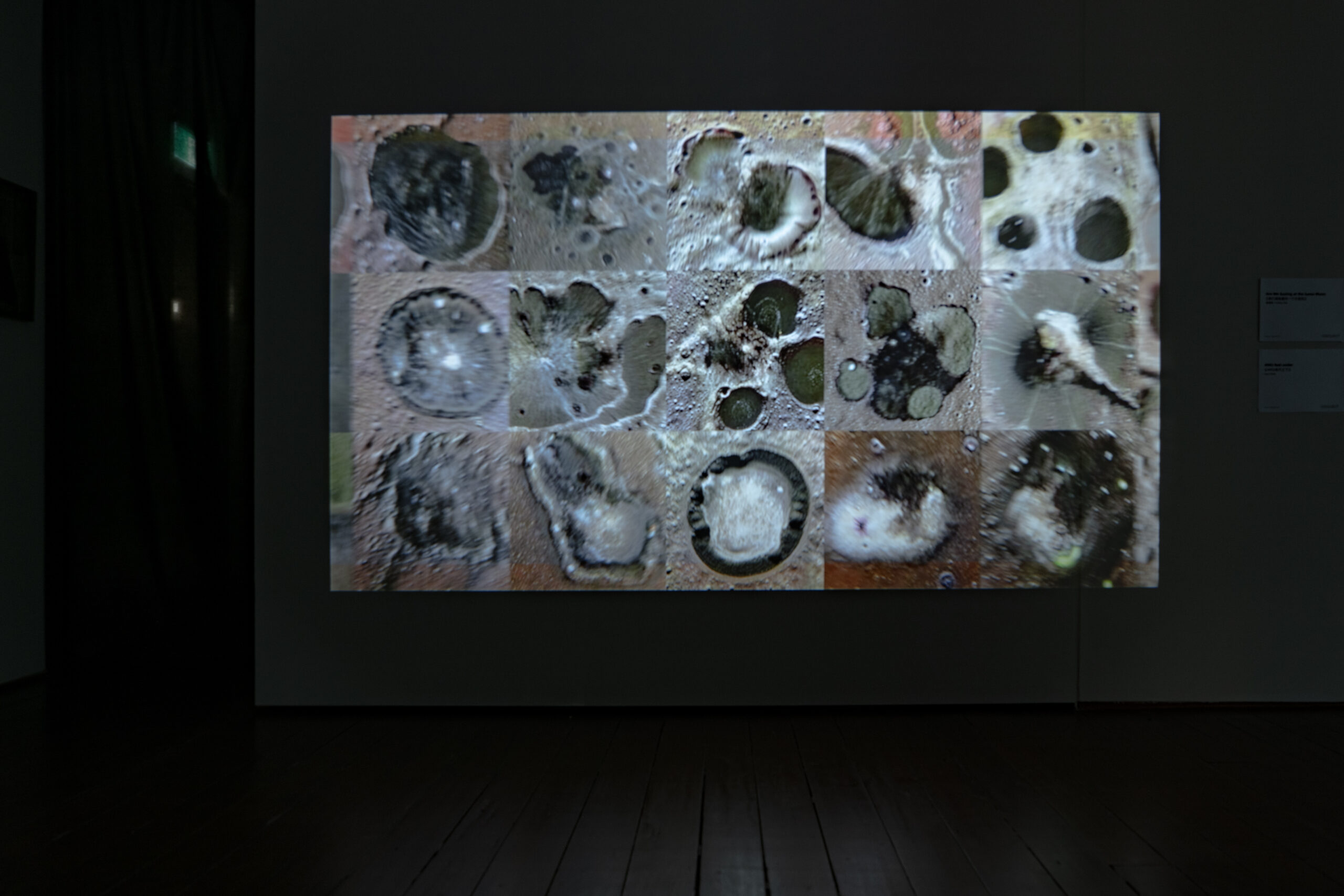
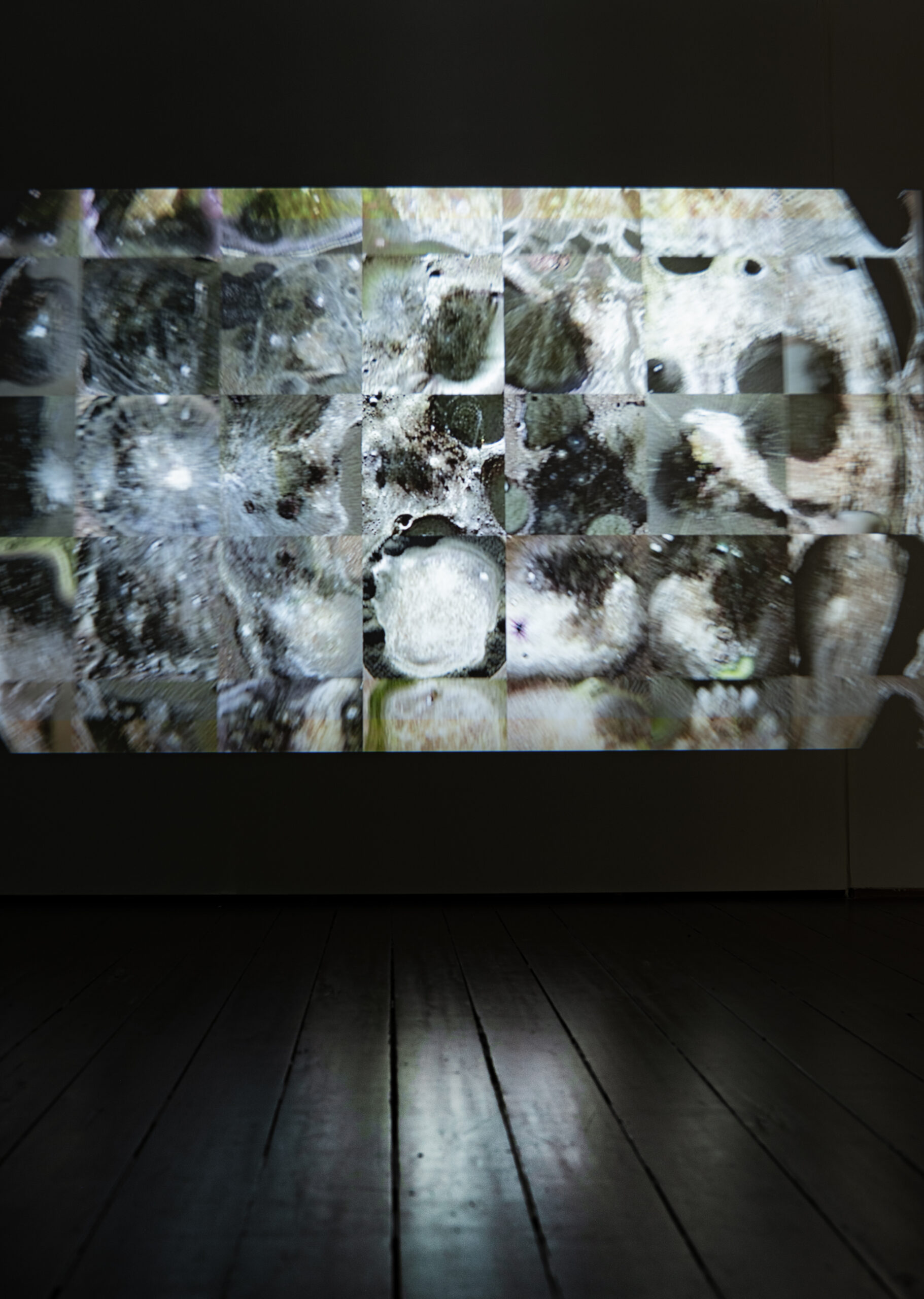
Imaginary Lunar Soil Samples

"One thousand people, one thousand moons"

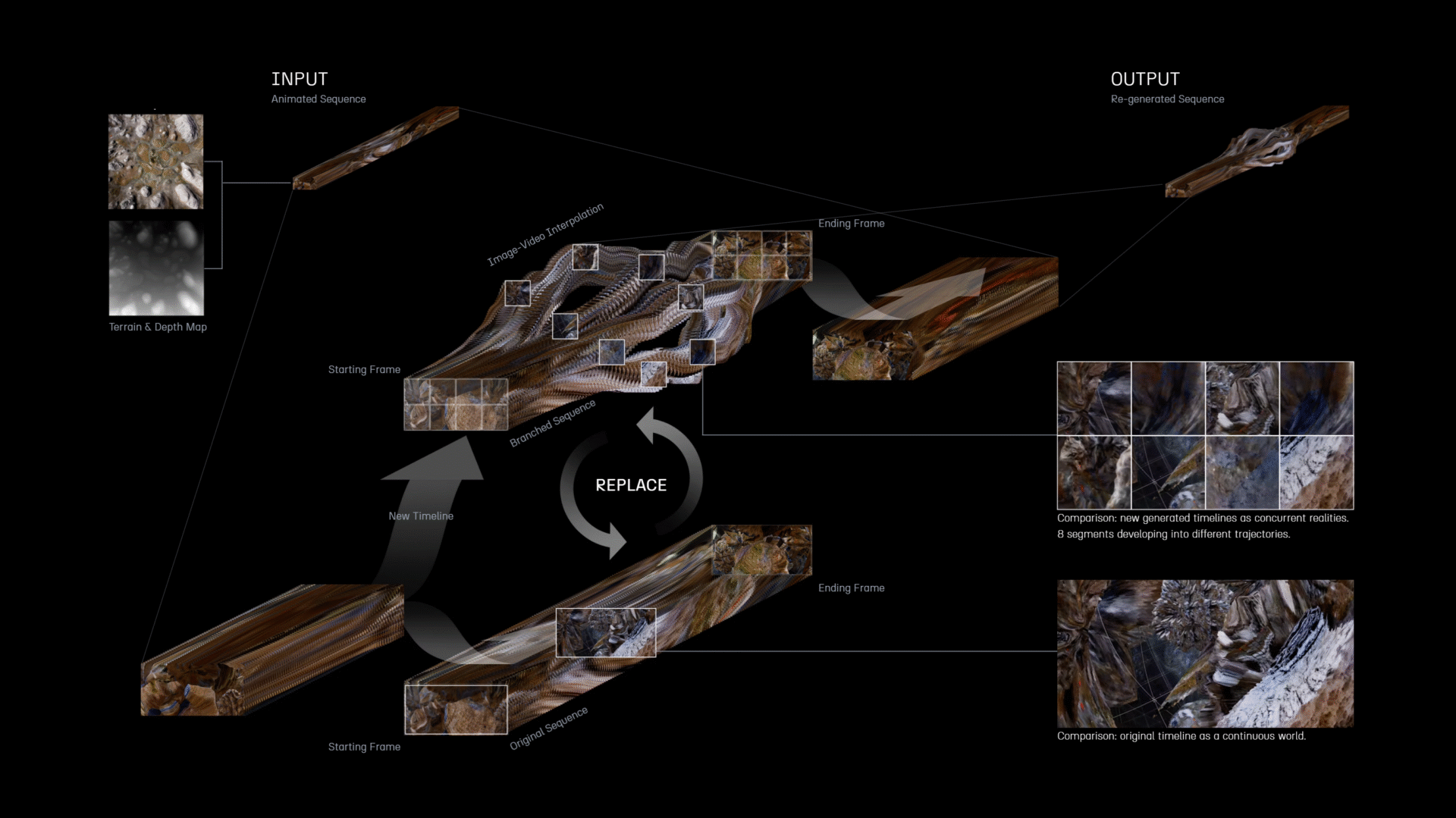
Branching Timelines of the Moon Journey

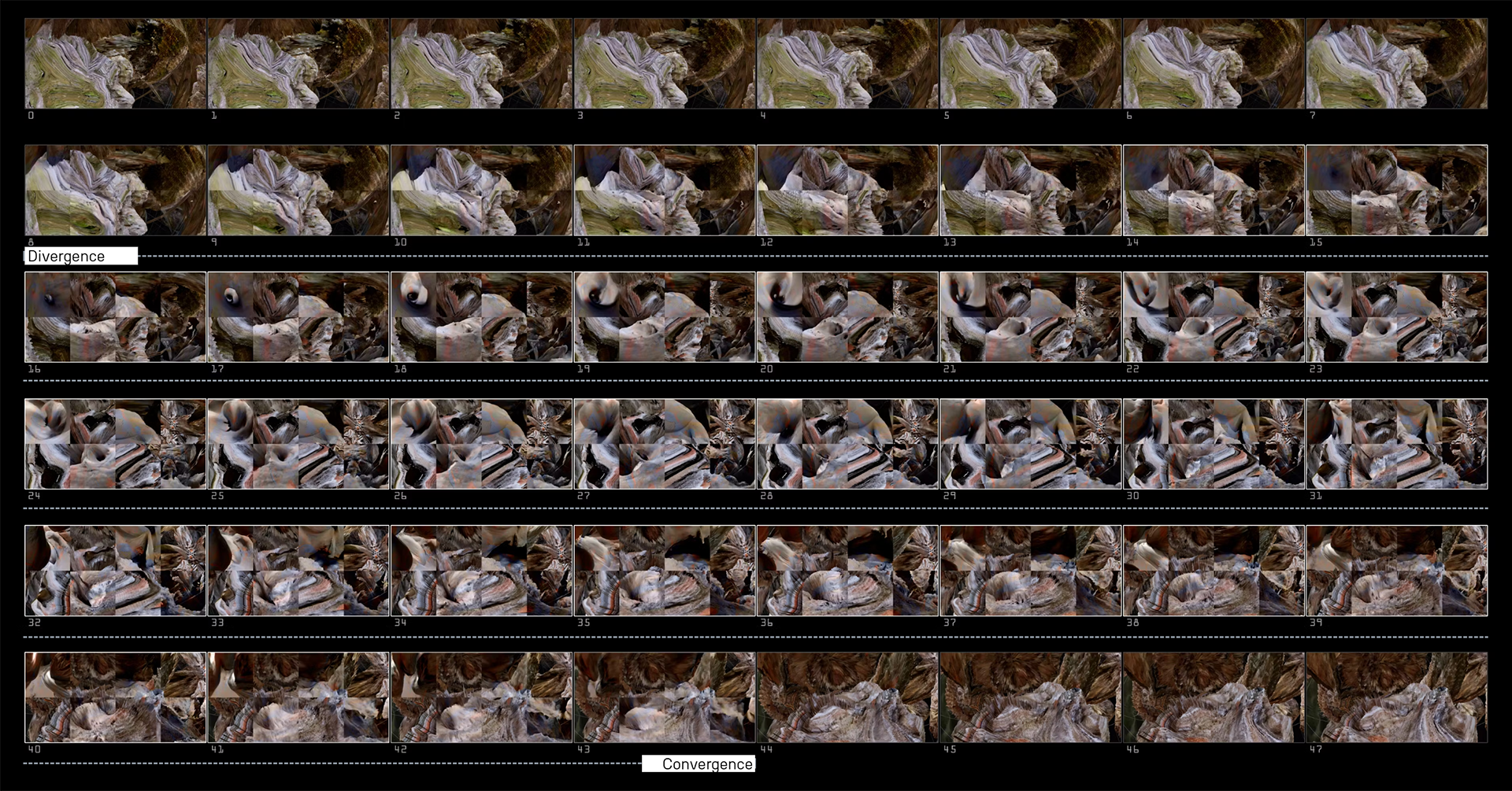
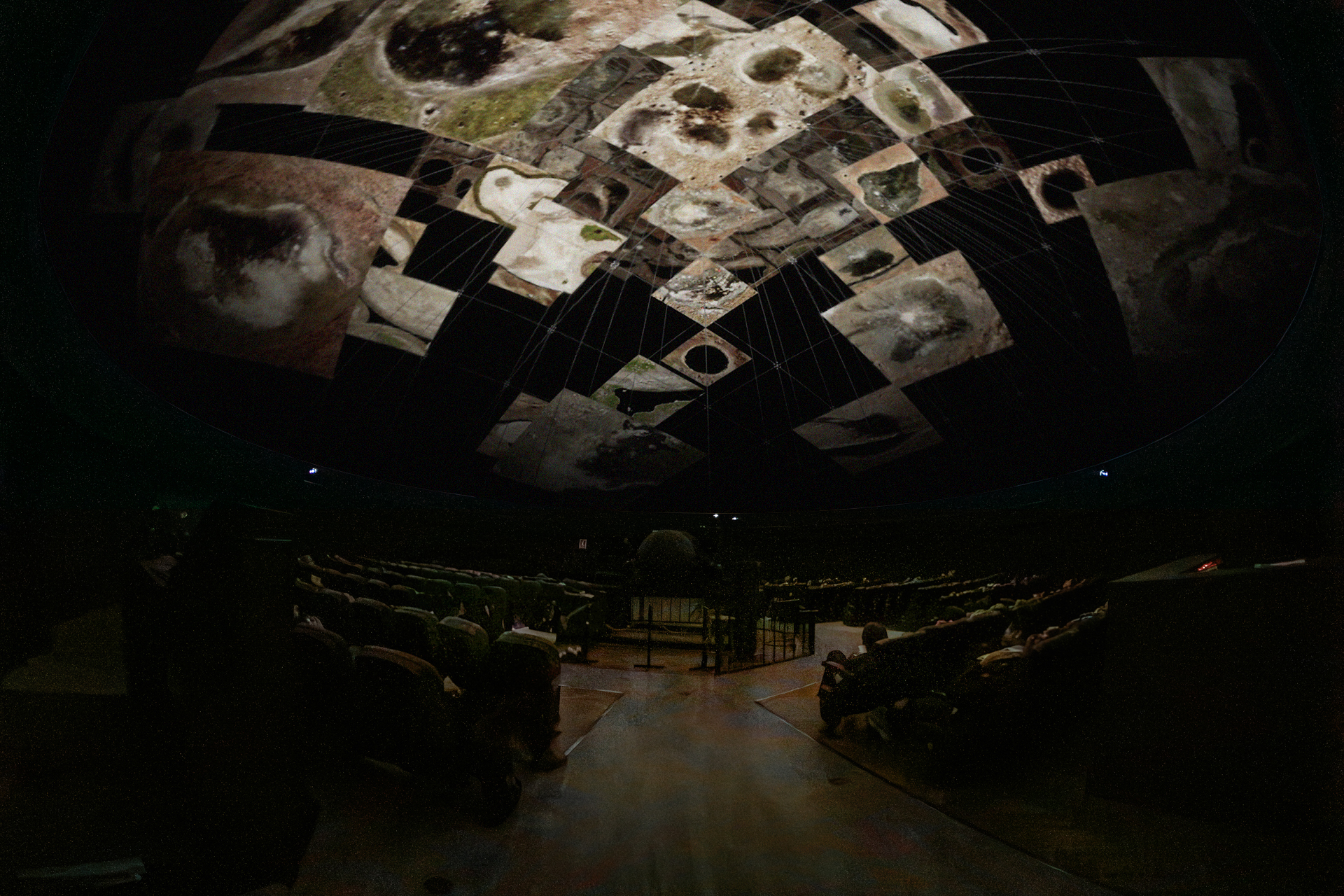
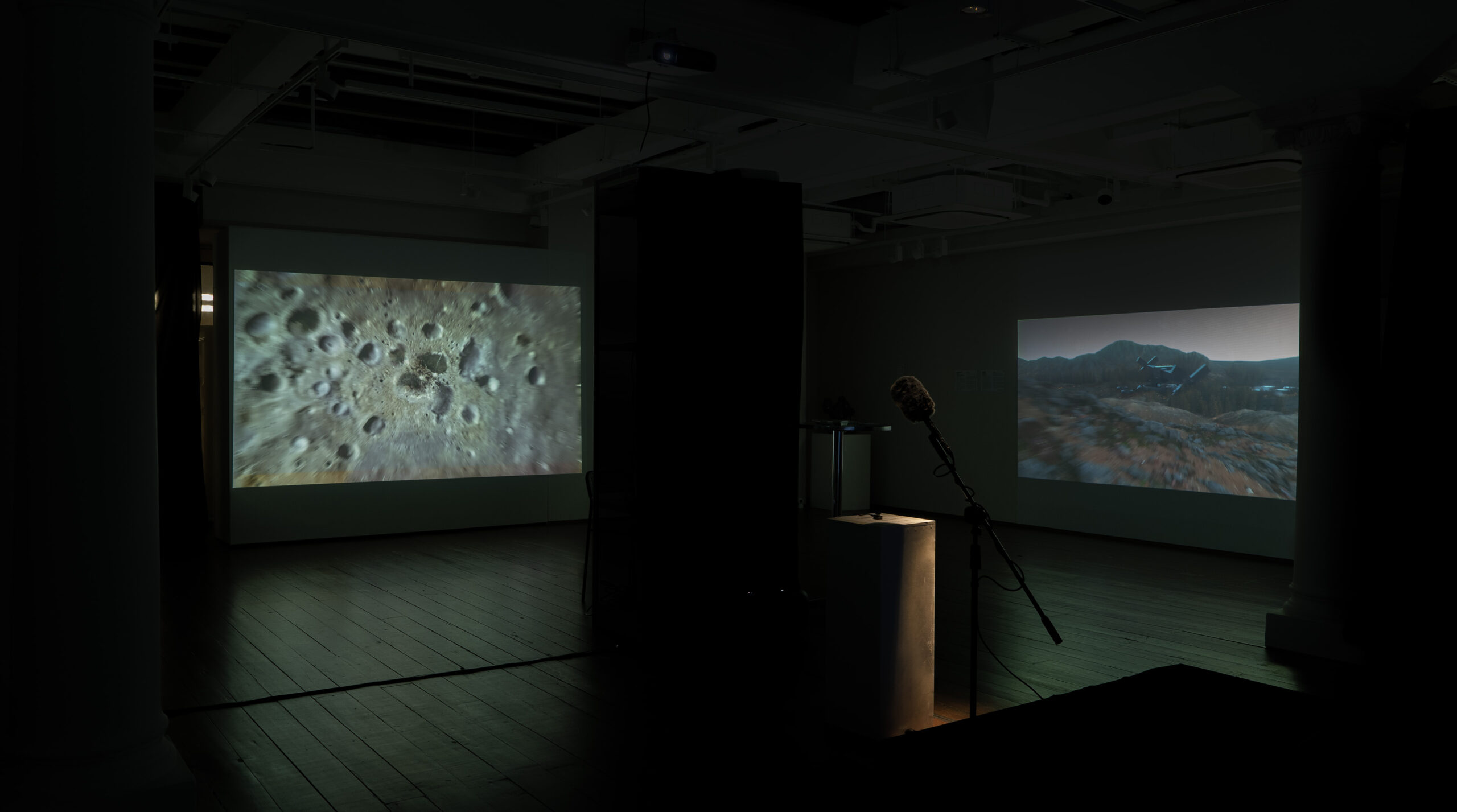
As the world we co-exist shatters into fragments, each derivative following its own trajectories, the image of the moon connects to a various worlds. Yet at certain moments, these scattered possibilities begin to converge and reassemble, merging once again into a coherent whole. To further explore this concept, this stage of the experiment introduces divergence and convergence along the timeline. Building upon a previously generated video of lunar terrain exploration, we extract selected segments from the sequence—specifically isolating the first and last frames and segmenting them by region. Using image-to-video AI generation, these portions are then re-synthesized into different developmental trajectories. Finally, these parallel segments are spliced back into the main footage, creating a roaming experience in which multiple realities unfold side by side.

Are We......?

Are We Gazing at the Same Moon? is more than an artistic exploration of lunar imagery—it is a profound meditation on the nature of shared reality, collective memory, and human connection in an age of digital fragmentation. 

Yet, beyond its technical ingenuity, the artwork speaks to one of the most pressing societal challenges of our time: the growing divide between personal and collective experience. It illustrates a world where even something as universal as the Moon can become fragmented, mirroring the ways in which contemporary digital technologies, social algorithms, and global political shifts have created parallel realities. In this sense, the project resonates deeply with the post-globalization crisis—where once-interconnected societies now face increasing isolation, ideological divides, and a loss of common cultural reference points.

In a time of rising nationalism, regional conflicts, and cultural disengagement, the project’s theme of dispersal and convergence becomes particularly poignant. It suggests that while fragmentation is a reality, the potential for reassembly remains. In response to the ethical crisis we face nowadays, the Moon, though scattered into many perspectives, can still be pieced together into a coherent whole— humanity must find ways to rebuild common ground despite the forces pulling it apart.

Ultimately, Are We Gazing at the Same Moon? serves as both a warning and a hope. It highlights the dangers of a world where collective memory erodes under the weight of hyper-personalized experiences, yet it also proposes that shared symbols, rituals, and cultural touchstones—whether the Moon, art, or technology itself—can still offer a way to reconnect. In this way, the project is not just a reflection on the nature of perception, but an invitation: to look beyond the fractures, to recognize the seams, and to find new ways of constructing a truly shared reality.

Preview - Cinematic Version

Preview - Dome Version

EXHIBITIONS

2026 Montevideo Fulldome Festival, Uruguay

2025 Macon Film Festival, Georgia, US

2024 Evolutionary Space Global Tour Exhibition - Highlight Art Gallery, Singapore

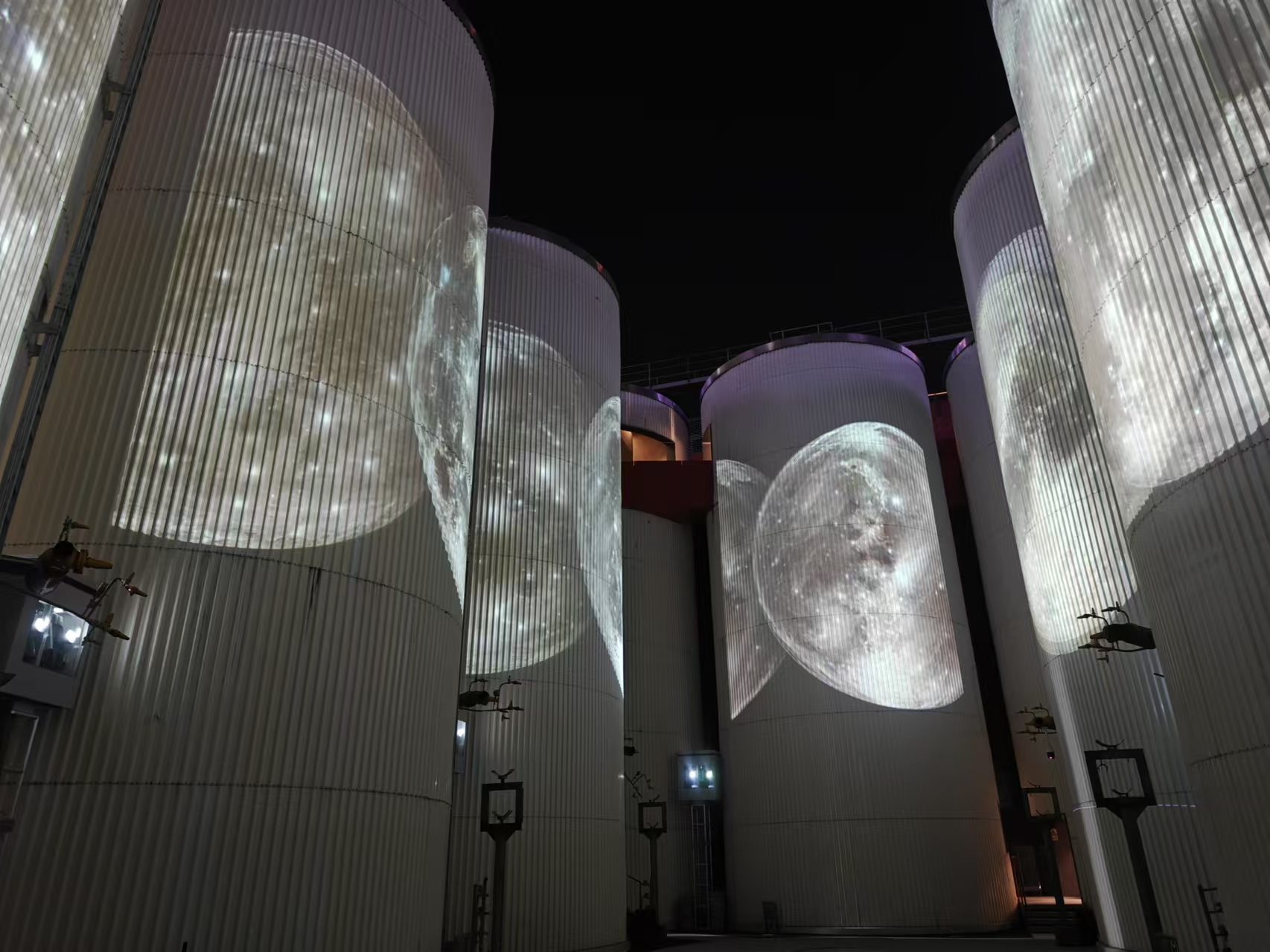
2024 Shenzhen MOCAUP Light Show